Mithila Makhana: From Ponds to Your Kitchen
Makhana isn't just a snack for us in Mithila, it is a way of life. See how our fox nuts travel from the muddy ponds of Darbhanga to your bowl in just 10 minutes.
Have you ever eaten something that grows in water but is not seafood? This is where our makhana comes from. It is a crop grown, harvested, and eaten with love for generations in Bihar.
Unlike most crops, makhana never touches the soil. It grows under the water while its leaves float on the surface, a unique gift from nature that we cherish.
The process of growing and harvesting makhana requires immense patience. It takes months to mature, and there are no shortcuts, only the wisdom of experience.
Each makhana is collected by hand. Our farmers dive into muddy ponds to gather the seeds. There are no machines involved, just generations of expertise.
In Bihar, makhana and singhara are two foods that grow in ponds and have been part of our plates for generations. They are a true symbol of our region's unique food heritage.
This is why these ingredients taste like more than just food. Roasted makhana during a 'vrat' or boiled singhara in winter, they taste like rituals, not just recipes.
Makhana, or fox nuts, are a symbol of Mithila. 80% of India's makhana comes from this region. It is not just an ingredient for us; it is a part of our poetry, our culture, and our identity.
About From Pond to Packet: The Story of Makhana
Our makhana never touches soil. It is hand-harvested from ponds by farmers who have spent generations mastering this craft. When you make our instant kheer, you are not just using a premix, you are using seeds that were sun-dried and hand-sorted by the women of our community in Darbhanga.
In Mithila, we have a saying: 'Pag-pag pokhar, maach, makhan'. It means that every few steps you find a pond, fish, and makhana. This crop is the pride of our region, and 80 percent of India's makhana comes from our home soil. Unlike wheat or rice, makhana requires no soil to grow. It is a gift from the water, harvested by hand by brave farmers who wade into muddy ponds to collect the seeds.
At JhaJi Store, we wanted to capture that raw, authentic texture. Most commercial makhana is processed quickly, losing its crunch and flavor. We take the slow route. Our women artisans sort, clean, and sun-dry the seeds using methods our nani-dadi taught us. We do not use machines that crush the soul out of the grain.
We turned this traditional ingredient into an Instant Makhana Kheer mix because we know that time is short, but the craving for home remains. You get all the comfort of a slow-cooked festival dessert in 10 minutes. We include real saffron or coconut in our mixes, and we even pack the dry fruits in a separate sachet so they stay crunchy. Just add milk and the sweetener of your choice—sugar, jaggery, or honey—and you have a bowl of Mithila's finest waiting for you.
Similar work from other experts
Browse through Curated picks from other experts on mytribe
 7
7
Healthy Roasted Bites for Guilt-Free Snacking
 7
7

Healthy Snacks Made with Pure Ingredients
 19
19
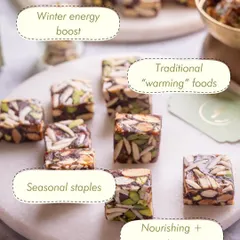
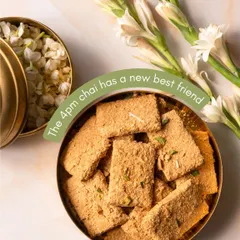
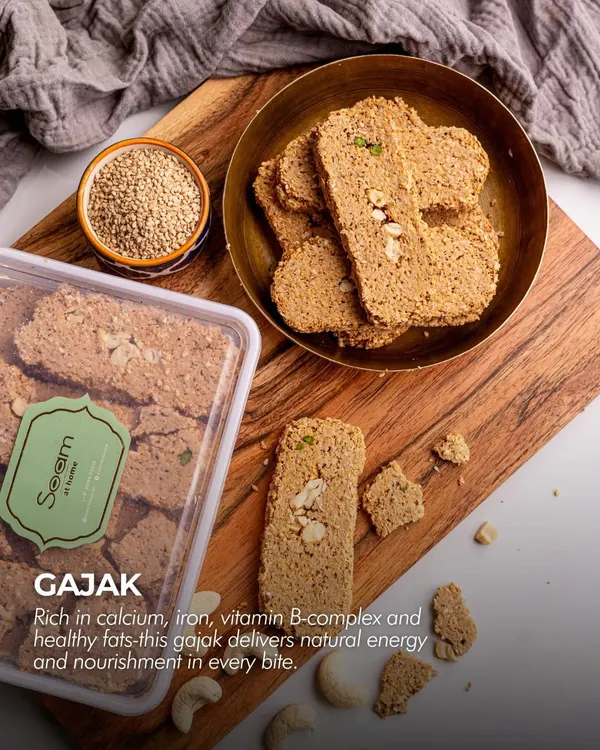
Artisanal Gajak and Chikki for Winter
Authentic Besan Barfi Handmade with Pure Desi Ghee
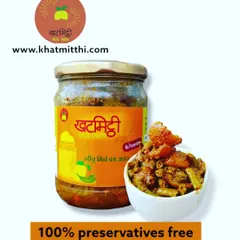
Authentic Homemade Pickles & Bihari Spices
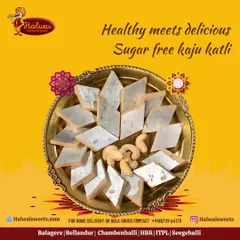

Timeless Mithai Collection for Every Celebration
More from Traditional Mithila Dessert Mixes by JhaJi
More services by JhaJi