Wildlife Photography: High-Key & Low-Key Artistic Portraits
I do not just point and shoot. Using natural light to create deep shadows or clean, bright backgrounds turns a standard wildlife photo into a piece of art.
I captured this Eastern Grey Kangaroo at Lysterfield Park in Melbourne as the sun was setting. By positioning myself against the dying light, I was able to create this powerful rim-lit portrait, highlighting its form against the dark background and lush green grass.
A low-key portrait of a critically endangered Straw-Headed Bulbul in Singapore. The dark rainforest provided the perfect natural studio, allowing me to use the shadows to isolate the bird and highlight the incredible detail in its plumage.
As the sun set in Lysterfield Park, Australia, I positioned myself to catch the last rays of light illuminating the fur of this Eastern Grey Kangaroo. This created a dramatic rim-lit, low-key silhouette that emphasizes its shape against the darkness.
It was still dark when this female Blue Eared Kingfisher appeared. I used a slow shutter speed of 1/30 to capture this low-key portrait, letting the shadows envelop the bird while the subtle light reveals its vibrant orange and blue colors.
This Oriental Dwarf-Kingfisher is a true color bomb. I found it in the dark rainforests of Singapore and underexposed the shot to create this low-key effect, making its brilliant colors pop against the pure black background.
A low-key portrait of a juvenile Shikra I spotted at Jhalana Leopard Reserve. The early morning light was low, which I used to my advantage by underexposing the background to black, making the bird of prey stand out on its perch.
I found this Lesser Whistling Duck preening in the shadows at Singapore Botanic Gardens. By inching closer slowly, I was able to capture this intimate low-key portrait, where the light beautifully sculpts the duck's head and blue bill.
This Striated Heron was fishing in the low light of Singapore's Eco-Lake. I underexposed the image significantly to turn the water and shadows into a deep black, creating a moody, low-key scene that focuses on the bird and its reflection.
A classic low-key portrait of a Mute Swan at Swan Lake, Singapore. The black and white conversion enhances the elegant curves and bright white feathers against the dark water, creating a timeless and graceful image.
The color version of my Mute Swan portrait. The low-key lighting isolates the swan from its surroundings, with the reflection adding perfect symmetry. The dark background makes the swan's white plumage and orange bill stand out dramatically.
About The Art of Light: High-Key & Low-Key
A lot of people think wildlife photography is just about having a big lens, but it is really about understanding light. When I shoot a low-key portrait, I am underexposing the background by two or more stops right there on my camera. It is not a preset I add later; it is a choice I make in the moment while waiting for a bird to turn its head just right.
Whether I am chasing leopards in Jhalana or waiting for a Painted Lady butterfly on my Gurgaon terrace, my approach to lighting remains the same: I want to get it right in the camera.
Low-Key: Finding the Mood
Low-key photography is about embracing the darkness. When I am out in the field, I look for natural shadows, like the dense canopy of a rainforest or the deep cover of a thicket. By underexposing by two or three stops, I force the background to disappear. This makes the subject pop, focusing on textures, like the shedding skin of an Oriental Garden Lizard or the intense gaze of a Blue Eared Kingfisher. It creates an intimate, portrait-studio feel without needing any artificial lighting.
High-Key: Creating a Clean Canvas
High-key is the opposite. It is about washing out the distractions. I use this when I want a bright, minimalist look. It is perfect for isolating a subject against a sky or a bright forest patch, giving the final image a clean, airy aesthetic. It turns a busy environment into a simple, beautiful canvas.
Why This Matters for Your Photos
If you book a session with me, we are not just taking snaps. We are going to experiment. I bring my Sigma 150-600mm lens, which gives us the reach to stay distant so the animals do not get spooked, but it also helps us compress the background to make those bokeh effects smooth. You will walk away with shots that feel more like fine art prints than standard documentation.
Similar work from other experts
Browse through Curated picks from other experts on mytribe
 12
12
Silhouettes & Monochrome Wildlife Photography
 11
11
Artistic Monochrome Wildlife Photography
 19
19
Creative Wildlife Photography: Mastering Light and Mood
 28
28
Creative Wildlife Photography & Composition Techniques
 15
15
The Art of Light: Silhouettes & Golden Hour Fine Art
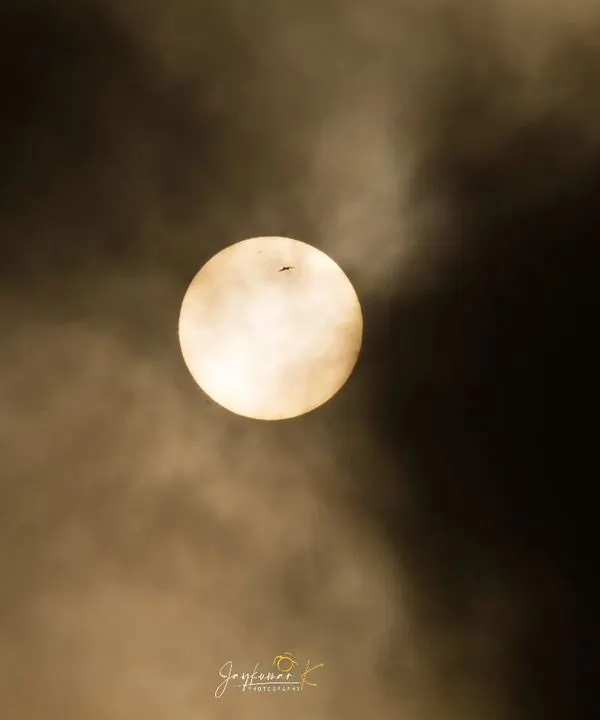 10
10
Wildlife Silhouettes and Moody Nature Photography in India
More from Wildlife Photography by Ishaan
More services by Ishaan