Build a Strong Home: Essential Construction & Material Guide
Building a house is a massive responsibility, not just a design project. Let’s get the basics right so your home lasts for generations, not just years.
How does dampness get into our homes and how do we fix it? Seepage often starts from the roof or balcony, so ensuring a proper slope and drain point during slab casting is critical. For bathrooms, always check for plumbing leaks and apply a waterproofing coat before tiling. Remember to fix the source of the dampness before just painting over it.
Are you buying cement? You should know that there are three main types for home construction. PPC cement is common for general work, but for faster construction of foundations and slabs, OPC 53 grade is better. If you live in a coastal area with high-sulfate soil, you must use PSC grade cement to prevent long-term damage.
Buying plywood can be confusing, as cheap and expensive options look the same. I explain how to choose the right grade: BWP for wet areas like kitchens and BWR for dry areas. Always check for the ATBS mark for termite treatment and the ISI 5509 grade for fire retardant properties. A trusted brand with a long warranty is always a safe bet.
Here are three things you should replace when building a new home for better health and durability. Switch from a plastic water tank to a stainless steel one to prevent algae and keep water cooler. Replace normal pipes with food-grade stainless steel pipes that are leak-proof and come with a 20-year warranty. And consider a heat pump water heater for energy savings.
This is my definitive guide to buying plywood. I explain the difference between BWP (waterproof), BWR (water-resistant), and MR grade plywood and where to use each. I also show you how to check for termite treatment (ATBS mark), fire retardant properties (ISI 5509 mark), and why you should always choose a trusted brand like Sylvan Ply for a reliable warranty.
Don't build a house with these common planning mistakes. I see people focusing only on room size without planning for furniture and storage. Avoid creating too many small, unusable spaces like tiny storerooms. Also, be careful with window placement so it doesn't interfere with your wardrobe, and always use granite or full-body tile frames for doors in wet areas.
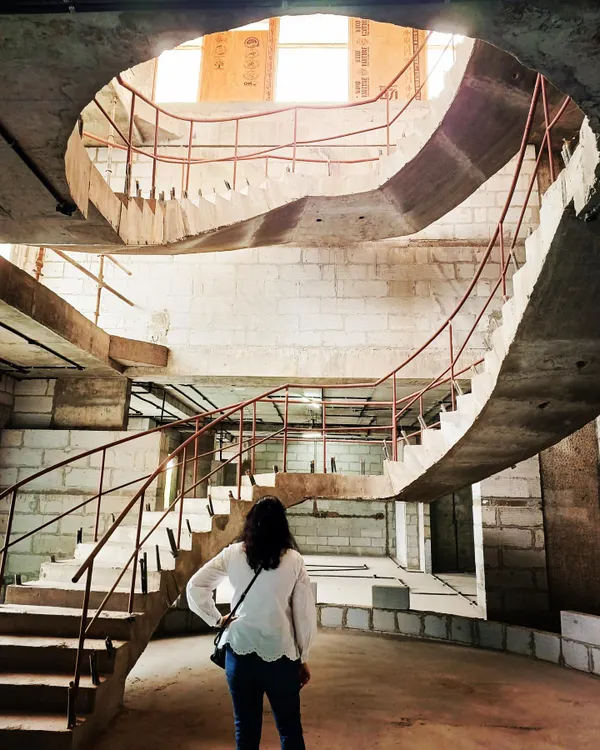
Planning a double-height room? Don't do it without proper planning. You must decide on your cooling system, like centralized AC or ducting, from the beginning. Also, don't assume you'll save money by skipping a slab; contractors often charge for both levels anyway. Plan your electrical layout, AC, and furniture first to avoid major regrets later.
Here is how to check if you are buying the right plywood. I explain the different grades (MR, BWR, BWP) and where to use them. An 18mm sheet should have at least 11 layers. Always ask the shop to cut a piece to check for internal gaps. Stick to hardwood-based plywood and ensure you get a good warranty.
About Building Strong: Core Construction & Materials
Most people blindly buy OPC 53 cement for everything, but that is a waste of money and potentially bad for your walls. Use OPC 53 only for structural elements like columns, beams, and slabs where you need high early strength. For plastering and brickwork, switch to PPC cement. It sets slower, which means fewer cracks, a smoother finish, and better workability. If you are building near the coast, ignore both and use PSC grade cement to fight sulphate corrosion.
Don't Guess, Build Smart
Construction isn't about buying the most expensive items; it's about buying the right ones. If you skip the technical details, you'll pay for it in maintenance within three years.
The Waterproofing Rule
Never treat waterproofing as an 'extra' cost. It is a fundamental part of your shell. Whether it is your terrace, bathroom, or balcony, use a robust chemical treatment like Total 2K or brick-bat coba before you even think about tiles. If you hide a leak under tiles, you are just waiting for the dampness to ruin your paint and pop your plaster later.
Plywood: The 'Quality' Trap
Walk into any plywood shop, and everything looks identical. Don't fall for it.
- BWP (Boiling Water Proof): Mandatory for kitchens, bathrooms, and utility areas. If a shopkeeper tells you BWR is 'good enough' for a kitchen, walk away.
- Termite Check: Look for the ATBS mark. If it's not treated, it's just wood waiting to be eaten.
- Layers: For 18mm plywood, count the layers. If there are fewer than 11, the core is weak and will warp.
Plumbing & Electricity
Stop using plastic pipes where they get exposed to sunlight or physical pressure. Move to food-grade stainless steel piping for main lines to prevent the silent killer: seepage. And regarding electrical points? Plan them before the slab casting. Hiding wires in false ceilings because you forgot an AC point is a classic way to burn money.
Need a sanity check on your material list or contractor's claims? Let's get on a call and audit your plan.
Similar work from other experts
Browse through Curated picks from other experts on mytribe
Build Smarter: Essential Home Construction Tips
Practical Home Construction & Design Tips by N.K. Architects
Choosing the Right Materials for Your Home
The Craft of Building: Behind-the-Scenes Architecture


Avoid Common Woodwork Mistakes: Expert Tips for Smooth Execution
 4
4
Architectural Construction & Site Progress
More from Architectural & Construction Consultation by Sourabh Jain
More services by Sourabh Jain