The Artist's Journey: Research and Philosophy in Dance
My art is born from years of field research, temple visits, and quiet contemplation. See the moments behind my performances that shape how I interpret ancient stories today.
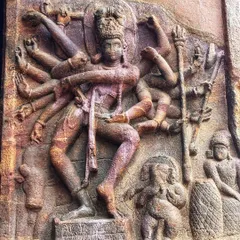
A sculpture from the Elephanta Caves, visited on World Heritage Day. Spending time at such sites with fellow researchers, unfolding the beautiful facts about our history, is a crucial part of my extended research on Bharatiya Tantra.
Another powerful sculpture from the Elephanta Caves. The raw power and grace captured in stone by ancient artists is a timeless source of inspiration for my own work in both dance and painting.
The sanctum at the Elephanta Caves. The play of light and shadow in these ancient, excavated spaces creates a profound sense of peace and mystery, sparking deep contemplation.
The entrance to the main cave at Elephanta. Visiting these world heritage sites is not just a tour, but a pilgrimage to the sources of our artistic and spiritual traditions.
The flickering lamp, or *diya*, is a powerful emblem of faith. I often contemplate its symbolism, how this fragile flame, equated with our own self, can hold such immense hope and connect the mortal to the divine.
A wall of lamps, each a prayer, a hope. Indian Tantra sees the lamp's flame as the divine self, burning above all desires. Its eventual extinguishing is not an end, but a completion, a merging with the sublime.
About The Artist's Journey
My dance and paintings are not random expressions. When you see me photographing the Elephanta Caves or studying the geometry of a traditional lamp, I am gathering the visual grammar for my movements. Every gesture you see on stage has a specific foundation in classical sculpture or scripture, bridging the gap between historical research and live performance.
For me, the stage is only half of the work. The rest happens in the field, where I translate ancient narratives into modern relevance. My research centers on the concept of 'Drishya-Adrishya' (Seen-Unseen), exploring the hidden layers of mythology that often go unnoticed in contemporary interpretations.
Field Research as Practice
Visiting sites like the Elephanta Caves is an act of pilgrimage and academic rigor. I examine the raw power of Chola-era stone carvings not just for their aesthetic, but to understand the body language and posture of the figures. These physical visits allow me to study how light and shadow interact with sacred spaces, which directly informs how I use stage lighting and spatial design in my Bharatanatyam productions.
The Philosophy of the Lamp
My contemplation of the traditional diya (lamp) is a recurring theme. Beyond its role in ritual, I view the lamp as a physical metaphor for the human condition. The oil represents our subjects, the wick our desires, and the flame our consciousness. By meditating on this, I develop the Abhinaya (expressions) used in my solo productions. When I perform, I am not merely reciting a story. I am presenting a synthesis of this research—a dialogue between the sculptural lines of the past and the living, breathing movement of the present. Whether I am leading a TRIKONA workshop or performing a thematic piece, my goal is to guide the audience through the same process of inquiry that fuels my own practice.
Similar work from other experts
Browse through Curated picks from other experts on mytribe
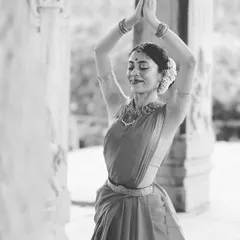
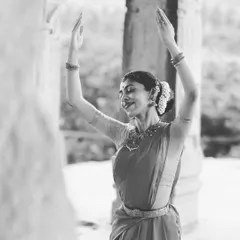
The Creative Process Behind My Choreography
 8
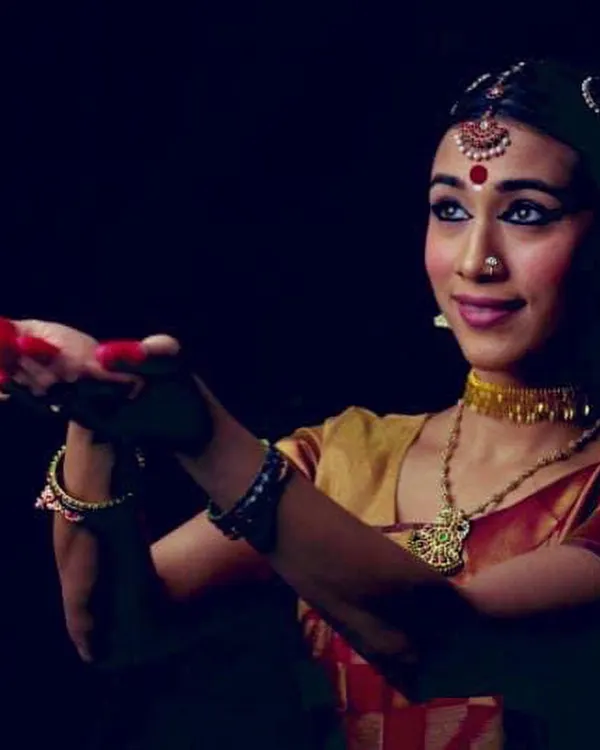
8My Bharatanatyam Performances and Artistic Journey
 4
4
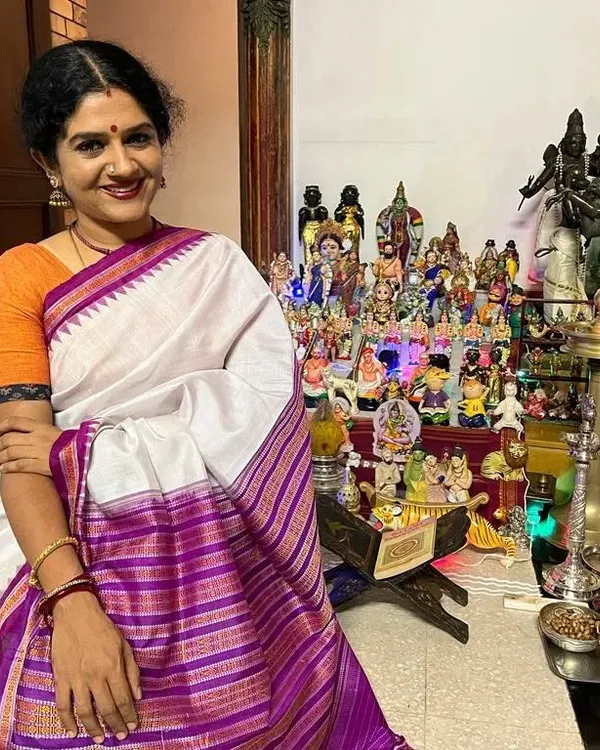
Bharatanatyam Dance and Artistic Traditions
 8
8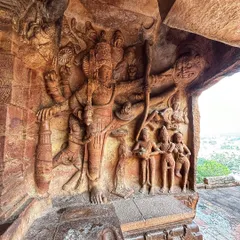
Artistic & Spiritual Dance Journeys
 11
11
Bringing Bharatanatyam Stories to Life on Stage
 15
15
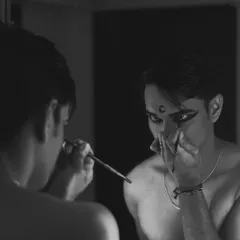
Behind the Stage: My Bharatanatyam Rituals
More from Educational Workshops & Lectures by Himanshu Srivastava
More services by Himanshu Srivastava