Learning Through Play for Speech and Development
We make therapy feel like a game. Through songs, pretend play, and structured activities, we help your child build communication and social skills one fun step at a time.
Therapy can be fun. Here, children engage in pretend doctor play, a powerful tool in our play-based therapy approach. This activity helps develop social skills, turn-taking, and language in a natural and joyful setting.
A pretend tea party is more than just a game; it's a language-rich activity. During this session, the child practices social routines, following directions, and using vocabulary related to eating and sharing.
This play-based session involves imitating daily actions like eating and combing hair. Such activities help children understand and use action words (verbs) and engage in reciprocal play with the therapist.
A fun session of singing 'Head, shoulders, knees and toes' helps this child with following instructions, body part identification, and motor imitation. Learning becomes joyful when it's part of a game.
A child learns to associate actions with words by following the therapist's lead to jump and clap. Using rhymes and movement makes learning dynamic and helps with motor planning and imitation skills.
We use familiar rhymes like 'Teddy Bear, Teddy Bear' to teach body parts and actions. This makes learning interactive and helps the child connect words to their own body.
A mirror is a wonderful tool for building self-awareness and language skills. In this activity, the child learns to identify facial parts like the nose, lips, and eyes, promoting both language and emotional development.
A child works on stacking rings, a classic play activity that we use to target multiple goals. It helps with fine motor skills, color identification, sequencing, and requesting, all within a single game.
The simple act of stacking rings during a therapy session encourages focus and hand-eye coordination. The therapist guides the child to complete the task, building a sense of accomplishment.
Picture card matching is an excellent activity for improving visual discrimination and cognitive skills. The therapist guides the child to match identical pictures, reinforcing learning with a fun toy plane as a reward.
About Learning Through Play
When a child isn't ready to sit for a traditional lesson, we don't force it. Instead, we start with 'doctor-doctor' games, mirror mimicry, or singing 'Head, shoulders, knees and toes' to capture their attention first. We turn these natural, happy moments into active lessons for speech, focus, and social interaction, ensuring therapy becomes a highlight of their day rather than a chore.
Therapy That Doesn't Feel Like Therapy
Many parents come to us worried, saying, 'Abhi to baithega hi nahi woh' (He won't even sit right now). We understand that focus is a skill, not a starting point. Our play-based approach meets your child where they are. By integrating therapy into activities they already enjoy—like playing with toy planes, stacking rings, or pretend tea parties—we lower their anxiety and increase their participation.
Why Play Works for Speech & Skills
- Building Foundation: Before a child can use complex sentences, they need to imitate sounds and actions. We use mirror games to help them identify facial parts like eyes and lips, which is a crucial first step for articulation.
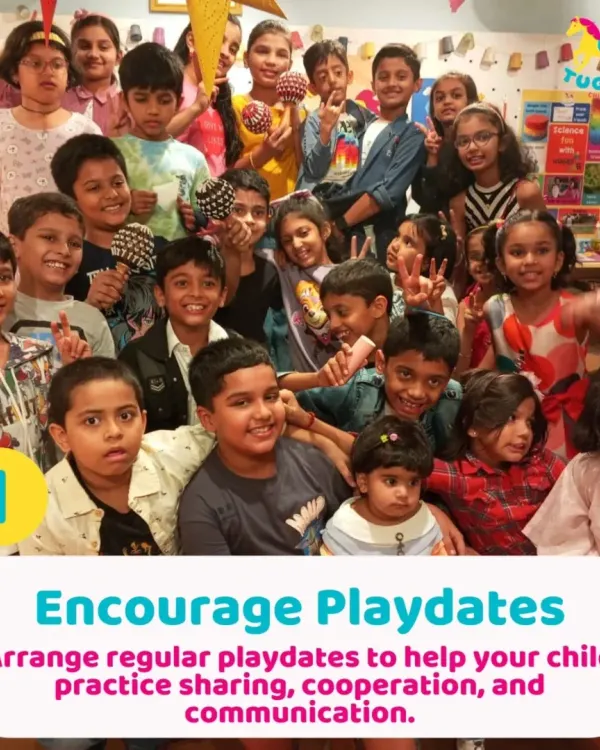
- Social Engagement: Group play isn't just about sharing toys. It is about learning to wait, taking turns, and following instructions. Whether it's a game of 'Passing the Parcel' or matching picture cards, these structured activities teach vital social rules without pressure.
- Real-World Application: We don't limit learning to the therapy table. We model 'daily living' tasks like combing hair, eating with a spoon, or pretend shopping to teach the language of everyday life.
Celebrating Every Win
For us, progress isn't just about finishing a book. It’s about the child who finally makes eye contact, the student who says a new word, or the kid who gives a confident 'High five' after a session. We track these small wins because they are the building blocks of independence.
We provide specialized support, including Speech Therapy, Occupational Therapy, and ABA, customized for your child's developmental age. If you are unsure where to start, our team provides a 60-minute diagnostic assessment to map out a path that works for your child’s unique needs.
Similar work from other experts
Browse through Curated picks from other experts on mytribe
Language and Communication Support Through Play
Play-Based Learning Programs for Kids
Learning Through Play & Discovery
 14
14
Pediatric Occupational Therapy: Building Essential Skills Through Play
 43
43
Story Time & Social Play Sessions
Learning Through Play & Laughter
More from Speech & Language Therapy by Sankalp and Gurukul
More services by Sankalp and Gurukul