Ground-Dwelling Bird Photography
From the grasslands to riverbeds, capturing birds that live on the ground requires patience and a low perspective. Here is my approach to documenting these masters of camouflage.
A pair of Painted Sandgrouse, male and female, resting on a rock. This image showcases the difference in plumage between the sexes, a common trait in birds.
A stunning Khalij Pheasant walking along a log in its Himalayan forest habitat. The male's striking colors and long tail make it a spectacular sight.
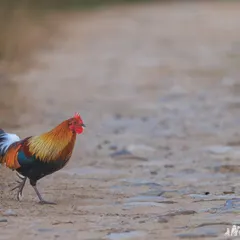
A male Red Junglefowl, the wild ancestor of the domestic chicken, struts through the undergrowth. Its vibrant colors are a sign of health and vitality.
A Grey Francolin stands alert in the dry grasslands. The golden light of early morning highlights the subtle barring on its feathers.
A Jungle Bush Quail calling out, its feathers puffed up. These small, secretive birds are more often heard than seen, making this clear shot a special capture.
A Rain Quail, so named because its calls are most frequent during the monsoon season. This male is showing off its distinctive black and white facial pattern.
A Barred Buttonquail cautiously steps through the grass. Unlike true quails, the females of this species are more brightly colored and polyandrous.
A female Chestnut-bellied Sandgrouse, perfectly camouflaged against the earthy terrain. Her subtle patterns are a beautiful example of natural adaptation.
A Paddyfield Pipit stands on a small mound of earth. These small, streaked brown birds are common in open country and agricultural fields across India.
A Bengal Bushlark photographed at ground level. Getting low is essential for creating intimate portraits of ground-dwelling birds like this one.
About Ground Dwellers
To photograph birds like the Grey Francolin or Sandgrouse, I do not shoot from standing eye level. I set up my gear on the ground, often lying prone in the dirt to match their perspective. This approach creates an intimate, blurred background that isolates the subject and reveals their true character, rather than just showing a top-down view of a bird in the grass.
The Art of the Low Angle
Unlike photographing perched birds in a tree, shooting ground dwellers is an exercise in absolute stillness. You are blending into the habitat, waiting for the Rain Quail to emerge or the Chestnut-bellied Sandgrouse to settle. My fieldcraft involves identifying perch patterns and bird calls long before the shot is taken. Whether I am shooting in the arid grasslands of Gujarat or along a riverbed, I rely on prime telephoto lenses to capture that razor-sharp detail while maintaining a respectful distance.
Why Habitat Matters
These aren't just snapshots; they are behavioral documents. A calling Jungle Bush Quail or a displaying Painted Sandgrouse pair tells a story of survival and adaptation. I focus on the 'messy' beauty of their environment because that is where they live. I aim for natural light, planning my sessions around the early morning or late afternoon golden hour to highlight the subtle barring and complex feather patterns of these species.
Working with Me
Whether you are an NGO looking for high-resolution habitat images for a publication, or a photographer wanting to improve your own field techniques, my work is about precision and discipline. My commercial shoots deliver high-resolution files suitable for print, while my 1-on-1 mentorship sessions are designed to get you comfortable with bird tracking, camera settings, and the patience required for ground-level photography. We will cover metering, ISO management, and the fieldcraft necessary to approach birds without causing disturbance.
Similar work from other experts
Browse through Curated picks from other experts on mytribe
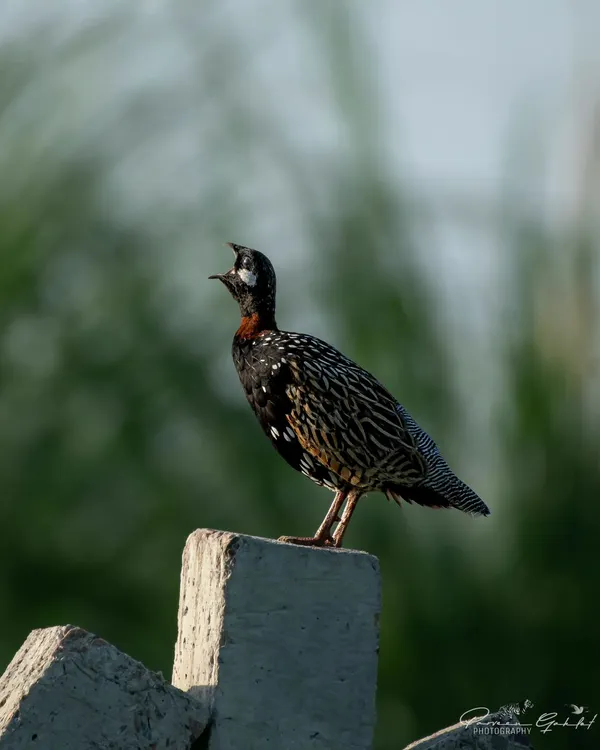 22
22
Ground Dwelling Bird Photography in Delhi NCR
 28
28
Majestic Birds of India: Wildlife Photography Portfolio
 138
138
Bird Photography in Natural Habitats
 87
87
Avian Portraits and Raptor Photography
 30
30
Avian Wonders: Documenting Birds in Their Natural Habitat
 56
56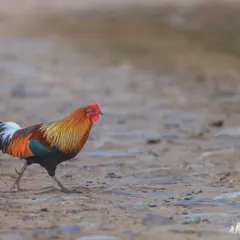
Bird Portraits and Intricate Close-ups
More from Wildlife Photography by Gaurav Yadav