Custom Picture Framing: Techniques for Preservation and Style
Framing is more than just a border for your art. As consultants, we use museum-grade techniques and archival materials to ensure your pieces are preserved and displayed exactly as they should be.
This vintage gallery wall was designed to showcase the beauty of etching artworks. We used veneer wood frames and oversized matting, all protected by museum glass, which minimizes reflection and allows the intricate details of the art to be the true focus.
Float framing creates a beautiful sense of depth by elevating the artwork from the backing. For these botanical prints, we used this technique along with colorful, acid-free mat boards and museum glass, making it feel as though you could reach out and touch the art.
The right glass is crucial for both presentation and preservation. Here, our specialist demonstrates the difference between standard clear glass, which is highly reflective, and museum glass, which is virtually invisible and protects the art from UV damage.
A mat board is more than just a border; it enhances the artwork and protects it by creating a space between the art and the glass. We use only acid-free conservation mats to prevent yellowing and ensure your memories are preserved.
About The Art of Framing: Techniques & Materials
Most people do not realize that standard glass often obscures the fine details of an artwork due to harsh reflections. We primarily recommend museum glass, which is nearly invisible. This ensures the true colors and textures of your print or painting shine through without glare, while simultaneously offering essential UV protection to prevent your art from fading over time.
Preservation Meets Presentation
When we talk about framing, we are talking about long-term care. A frame is not just for aesthetics; it is a protective housing for your memory or investment. Our approach is rooted in conservation standards that prevent the common issues—like yellowing, fading, or moisture damage—that often ruin artwork kept in substandard frames.
The Essentials of Archival Framing
- Museum Glass vs. Clear Glass: Standard glass creates reflections that make it difficult to view artwork, especially in well-lit rooms. Museum glass is optically clear and minimizes reflection, acting almost like an invisible barrier. More importantly, it provides superior UV filtration, which is the primary defense against the long-term deterioration of colors and paper.
- Acid-Free Matting: We use only acid-free and lignin-free mat boards. Standard paper mats contain acids that break down over time, causing 'mat burn' and yellowing on the edges of your print. Our conservation-grade mats provide a buffer between the art and the glass, keeping your piece safe.
- Float Framing: This technique is ideal for prints with deckled edges or texture. We mount the artwork so it appears to 'float' above the backing, creating a shadow line that adds depth. It ensures the artwork does not touch the glass, preventing it from sticking due to humidity.
Why the Technique Matters
We avoid shortcuts. Whether it is T-hinging to hold a valuable print in place or choosing the right fillet to bridge the gap between art and frame, our goal is to enhance your piece without distracting from it. By controlling these technical variables in our Mumbai workshop, we ensure that every frame we deliver is built to last for generations. If you have a specific piece that requires careful handling, we are happy to guide you through the process of choosing the right specifications.
Similar work from other experts
Browse through Curated picks from other experts on mytribe
 6
6
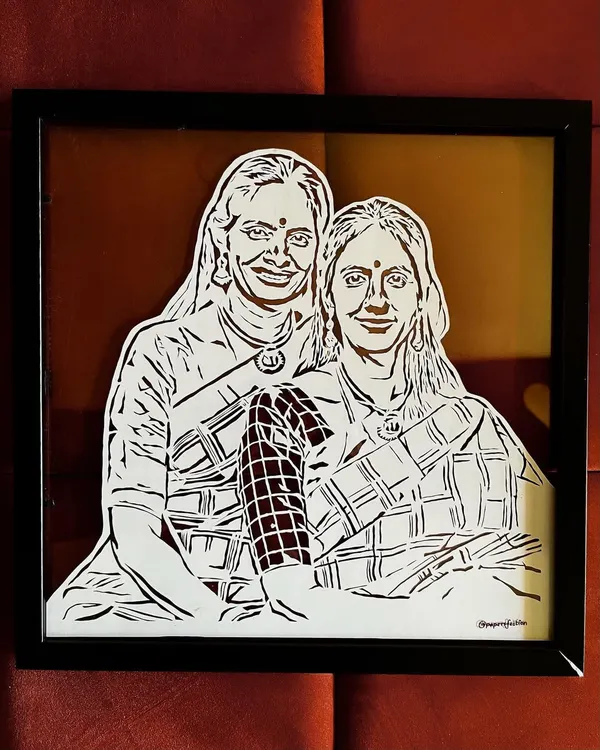
Custom Paper-Cut Portraits in Floating Frames
 9
9
Custom Wall Art Frames and Finishing Styles
 17
17
Framed Heirlooms: Custom Art Restoration and Display
 27
27

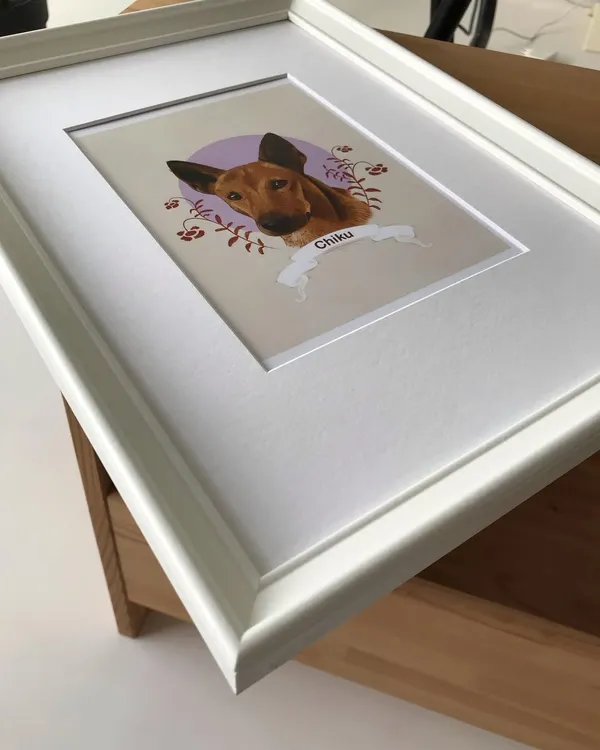
Framed Pet Portraits Ready for Your Wall
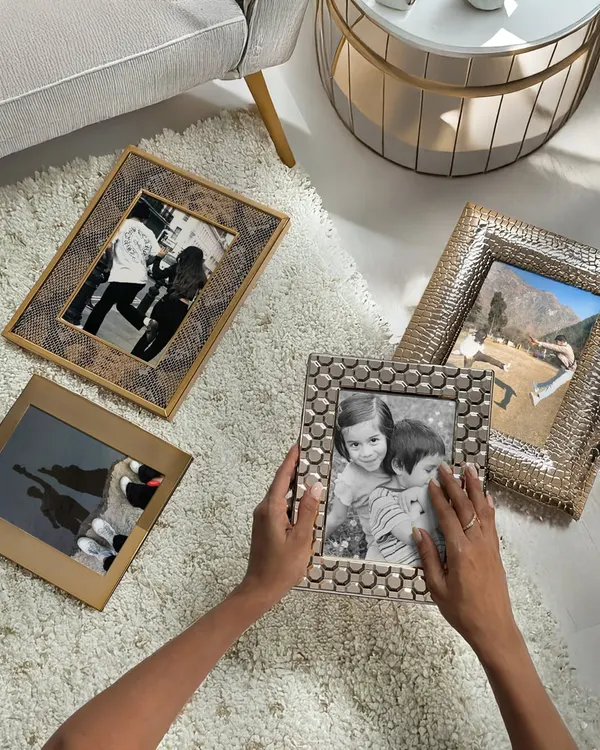
Custom Resin Photo Frames for Your Special Memories
 12
12

Luxury Designer Photo Frames
More from Gallery Wall Design Service by Framebazaar
More services by Framebazaar