Treating Pigmentation, Melasma & Dark Spots
Stubborn dark spots and melasma are medical concerns, not just a tan. We build personalized, science-backed plans to clear pigmentation safely.
When dullness and dark spots appear, it's a sign of excess melanin activity. This graphic introduces the common problem of hyperpigmentation, which we are experts at diagnosing and treating.
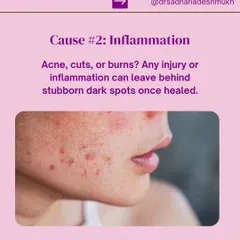
Hyperpigmentation is simply the overproduction of melanin, often caused by UV rays, hormones, or inflammation from acne. Understanding the cause is the first step toward an effective treatment plan.
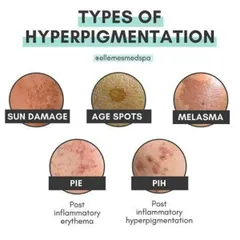
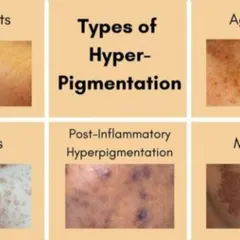
Not all dark spots are the same. This image explains the common types of hyperpigmentation, including hormonal melasma, post-inflammatory marks from acne, and sun spots from long-term sun exposure.
Pigmentation stays so long because the melanin sits deep within the skin. Quick fixes or harsh bleaching creams can often make the problem worse, which is why a patient, professional approach is necessary.
This graphic outlines what actually helps in treating pigmentation. A combination of consistent sun protection, medical-grade actives like Vitamin C and retinoids, and professional laser or peel treatments is the most effective strategy.
Avoid common skincare mistakes like using fairness creams or DIY hacks and skipping sunscreen indoors. These can worsen pigmentation. Professional guidance is key to achieving real, lasting results.
That stubborn patch on your face might not be a simple tan; it could be melasma. This graphic introduces our educational series on this chronic pigmentation disorder, which requires specialized care.
Melasma is a chronic pigmentation disorder that causes dark, stubborn patches, and it's not just from getting too much sun. It requires a different approach than treating a simple tan.
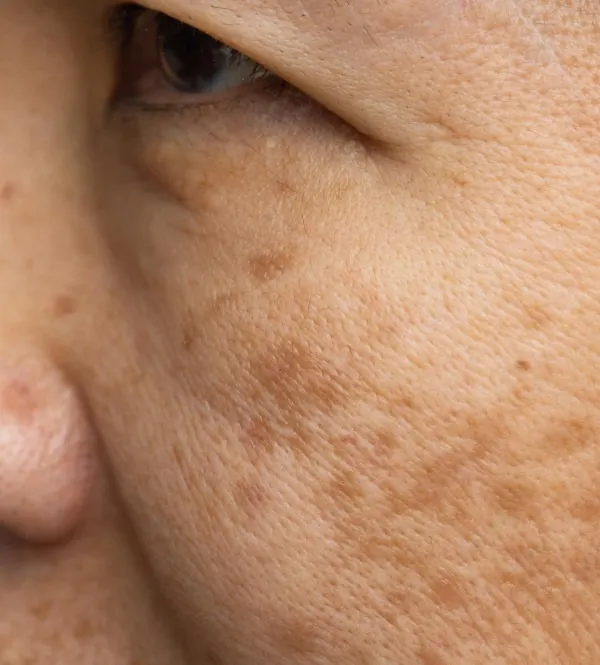
This image explains how melasma typically appears as brown, grey, or bluish patches, often symmetrically on the cheeks, forehead, and nose. Proper diagnosis is crucial for effective treatment.
Hormonal fluctuations are a major trigger for melasma, which is why it is more common in women. Pregnancy, birth control pills, or hormone therapy can all spark its appearance.
About Treating Pigmentation, Melasma & Dark Spots
Pigmentation isn't just surface darkening; it is deep melanin activity that simple creams often cannot fix. When you visit our clinic, we do not just prescribe a standard routine. We assess whether your marks are hormonal melasma, post-acne pigmentation, or chronic sun damage, and then use medical-grade lasers like the Deka RedTouch PRO or Lutronic Spectra XT to break down pigment at the root. You need a strategy, not a quick fix.
Why Pigmentation Needs a Medical Approach
Many patients come to us after trying 'fairness creams' or DIY hacks that ended up worsening their skin. Pigmentation, especially conditions like melasma, is a chronic disorder. It is triggered by hormonal fluctuations, internal stress, heat, and even the blue light from your screens. When you treat these issues as simple surface stains, you risk damaging your skin barrier, which can lead to permanent dark patches.
Our Science-First Philosophy
At SkinSpace Clinic in Goregaon, we follow a 'Prevention over Correction' motto. We don't use salon-grade machines because the risk of burns and post-inflammatory hyperpigmentation on Indian skin is too high. Instead, we use USFDA-approved technology:
- Deka RedTouch PRO: This is a revolutionary 675nm laser that targets collagen and melanin specifically. It is excellent for melasma because it remodels the skin without damaging the surface.
- Lutronic Spectra XT: We use this Q-switched laser for stubborn spots and even deep-seated issues. It allows us to control the energy delivery precisely, ensuring the pigment is shattered while the surrounding skin remains safe.
Your Treatment Plan
Every face is different. During your consultation, we evaluate the depth of your pigmentation. We might combine laser sessions with medical-grade actives like Vitamin C, retinoids, and specific peels to accelerate the results. If you have been struggling with a 'mask' of pregnancy, sun spots that won't fade, or persistent acne marks, stop guessing. We look at the science to give you skin that actually looks like you—just clearer and brighter.
Similar work from other experts
Browse through Curated picks from other experts on mytribe
 15
15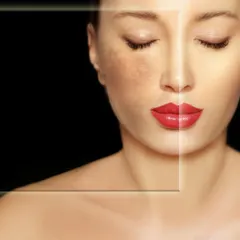
Pigmentation and Melasma Treatment Solutions


Effective Pigmentation and Melasma Treatment
Advanced Pigmentation Correction for Clearer Skin
Pigmentation and Uneven Skin Tone Treatments
 12
12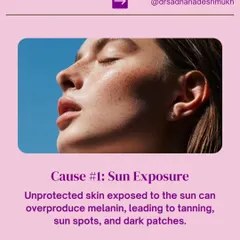

Expert Pigmentation and Melasma Treatment

Pigmentation Correction for a Brighter, Even Tone
More from Pigmentation, Tanning & Tattoo Removal by SkinSpace Clinic