Simplified Skincare Routines That Actually Work
Skincare does not need to be expensive or complicated. I help you cut through the noise with science-backed routines that focus on your skin's unique needs, not just what is trending.
Is your moisturizer not working? You might need to reapply it, just like sunscreen. Also, a very thick moisturizer can sit on top of the skin without truly hydrating it. For very dry skin, I recommend layering products: a mist, an essence, a serum, and then a moisturizer.
Many people with dry skin run to hyaluronic acid, but this can be a mistake. If your skin barrier is damaged or irritated, applying an "acid" can burn and irritate it further. You must repair the barrier first before focusing on hydration.
Step 2 of my simple, consistent skincare routine is moisturizer. I've been following the same basic steps for as long as I can remember because consistency is what delivers results.
Step 1 of my everyday routine is always to wash my face. First thing in the morning, I use a face wash to cleanse away any dirt and grime from the night. A clean canvas is the start of any good skincare regimen.
Step 3 of my daily routine is sunscreen, and I apply it liberally. I make sure to cover the high points of the face where the sun hits most, like the upper cheeks and forehead, to prevent pigmentation like melasma.
When should you use oils in your skincare? I recommend using them during "dawn and dusk" care. This is the time after you've washed your face in the morning but before your day skincare, or in the evening after you've cleansed but before your night cream.
If you have oily skin, you still need a moisturizer. The key is to find the right one. A non-comedogenic, mattifying gel cream with ingredients like niacinamide and ceramides can hydrate your skin and maintain a healthy barrier while controlling shine.
Milk is a complete food for the skin when applied externally. It contains proteins, fats, water, and lactic acid. This combination hydrates, nourishes, and gently brightens the skin. You can use it as a toner or as a medium for homemade face masks.
Is a night cream necessary for Indian skin, especially in humid weather? Yes. Night is when your skin is uninterrupted and in repair mode. This is the best time to use products that replenish moisture and deliver active ingredients to treat concerns like acne or pigmentation.
Do you need to wear sunscreen indoors? It depends. If you're near large windows, work under heavy lighting, or spend all day in front of screens, then yes. Look for a sunscreen with both UV and blue light filters for complete protection.
About Skincare Simplified: Routines & Myth-Busting
You might be over-cleansing or layering products incorrectly, which actually damages your skin barrier instead of fixing it. If your skin feels tight after washing or if your moisturizer just sits on the surface without sinking in, you need to simplify. My advice: focus on consistency over complexity. A basic routine consisting of a gentle face wash, the right moisturizer for your specific barrier type, and religious sunscreen use is often all your skin needs to thrive.
Building a Routine That Lasts
Skincare should not feel like a chore. The most common mistake I see is 'active ingredient overload.' Using too many acids, peels, or serums at once disrupts the skin barrier, leading to irritation, redness, and the exact problems you are trying to solve. Let us go back to basics:
- The Dawn & Dusk Approach: I often talk about 'dawn and dusk' care. This is the time after you wake up but before you start your day, and the time in the evening after you return home but before bed. These are the best times for oils, masks, or letting your skin simply breathe.
- Moisturizer Matters: Even if you have oily skin, you need a moisturizer. A non-comedogenic, gel-based formula helps control sebum while keeping the barrier hydrated. If your moisturizer feels like it is just sitting on top, you may need to layer—start with a mist or essence, then apply your cream.
- Sunscreen Is Non-Negotiable: If you are near a window, in front of a computer, or under heavy lights, you need protection. UVA rays pass through glass and cause premature aging. Look for broad-spectrum SPF 30+ with blue light filters.
Myth-Busting: What You Need to Know
- Retinol: It is an incredible ingredient for anti-aging, but it is often misused. High percentages do not mean better results; they just mean higher irritation. We need to focus on tolerance.
- Night Creams: Are they just marketing? No. Night is when your skin is in repair mode, uninterrupted by pollution or UV rays. It is the perfect time to apply products with actives that help treat pigmentation or fine lines.
Everything I recommend is based on your skin's specific goals. If you have questions about which products work for your skin type, let us talk.
Similar work from other experts
Browse through Curated picks from other experts on mytribe
The Science of Skincare: Ingredients & Routines


Your Daily Skincare Playbook
Building a Science-Backed Skincare Routine

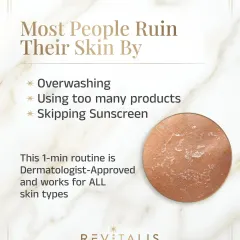
Your Personalised Skincare Routine
Skincare Routines That Actually Work
Your Science-Backed Daily Skincare Routine
More from Medical Dermatology for Skin & Hair by Rashmi Shetty
More services by Rashmi Shetty