Correcting Pigmentation and Dark Spots on Indian Skin
Indian skin reacts differently to pigmentation. I focus on safe, science-backed treatments—lasers, peels, and internal health—to even out your tone without compromising your skin's natural barrier.
"Smoker's lips," or the fine lines that radiate from the mouth, don't just happen to smokers. They are caused by repetitive muscle movements. While treatable with biostimulators or a touch of Botox, this is an expert's job. If not done well, it can flatten your Cupid's bow or affect mouth function.
Smoking constricts your blood vessels, giving the skin a black or grey hue and accelerating aging. To quit, I recommend breathwork like Anulom Vilom. It helps manage cravings by calming your nervous system, allowing you to make better decisions for your health and skin.
For Indian skin, which is prone to pigmentation, finding a gentle yet effective solution is key. The Mela B3 serum with Melasyl is a smart, science-driven option that has been clinically tested on Indian skin to address dark spots and uneven tone while remaining kind to sensitive skin.
If you suddenly develop pigmentation, it could be drug-induced. Many common medications, from pain relievers to antivirals, can trigger hyperpigmentation. The mechanism varies, but it's often worsened by sun exposure. It's important to review your medications with your doctor.
Are you using sunscreen but still getting tanned? You might not be using enough, reapplying every three hours, or choosing the right formula. For complete protection, you also need to physically cover up and consider an internal sunscreen supplement with antioxidants.
Is Vitamin C good for Indian skin? Yes, but with caution. On a compromised or sensitive skin barrier, it can cause irritation and lead to more pigmentation. I recommend using a stable, well-formulated Vitamin C at night, when the skin is in repair mode and not exposed to the sun.
At the 5CC World Congress in Portugal, I had the honor of lecturing on treating skin pigmentation in Indian and brown skin tones. It's a subject close to my heart, as it requires a nuanced approach that balances effectiveness with safety to avoid complications.
Speaking at the 17th 5CC World Congress. My focus was on the latest technologies for skin pigmentation and how we must adapt these treatments for colored skin tones. It's about achieving results without compromising the unique characteristics of our skin.
Under-eye concerns are not one-size-fits-all. For a tear trough shadow, fillers work magic. For dark, pigmented skin, we may need peels and lasers. For hollows on the side, a combination of skin tightening devices and fillers gives a more youthful, rested look.
Using steroid creams for skin lightening is a dangerous shortcut. They work by reducing blood supply and melanin, but this thins the skin, accelerates aging, and can cause untreatable acne. A suspicious white, pasty cream from a non-medical source is a huge red flag.
About Correcting Pigmentation for Indian Skin
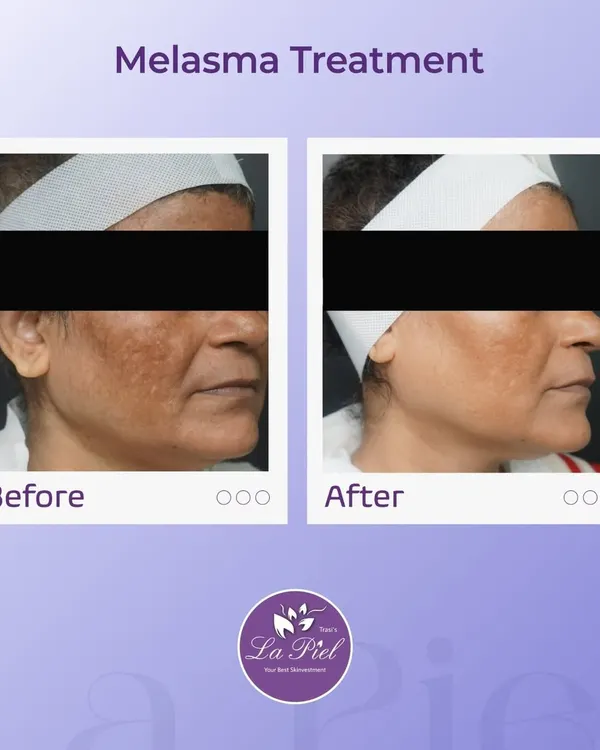
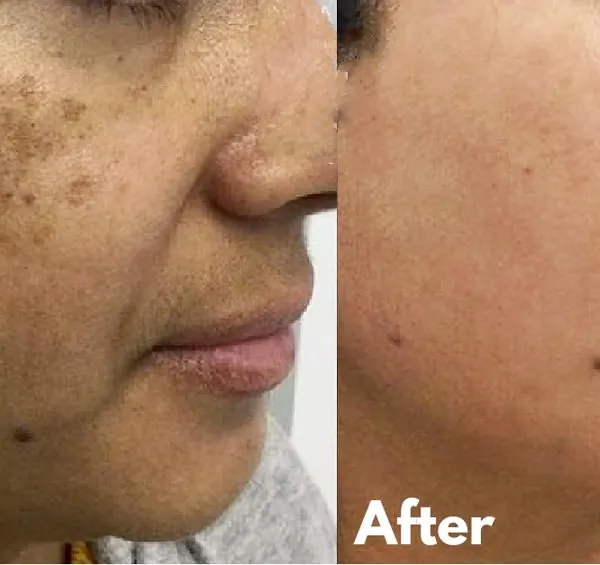
Pigmentation on brown skin is complex because the same mechanism that protects us from the sun also makes us prone to dark spots when inflamed. If you treat it too aggressively, you risk making the patch darker. My approach involves understanding if your spots are from sun exposure, hormonal shifts, or a compromised skin barrier. We start by fixing the inflammation—whether it is gut health or topical irritation—before we even consider lasers or peels.
Why Indian Skin Reacts Differently
Indian skin, which often falls under Fitzpatrick types IV to VI, is remarkably resilient but also highly reactive. When we experience inflammation—from a pimple, a harsh chemical, or even excessive scrubbing—our skin produces excess melanin as a defense mechanism. This is why aggressive treatments or 'fast-acting' creams you see online often backfire, leaving you with deeper pigmentation than you started with.
My Diagnostic Approach
I do not believe in one-size-fits-all protocols. My first step is to identify the root cause:
- Sun-induced: If you are tanning despite sunscreen, we need to adjust your UV protection strategy.
- Hormonal/Internal: If the pigmentation is symmetrical, it may be linked to PCOS, thyroid, or gut health.
- Medication-induced: Certain common drugs can trigger hyperpigmentation.
- Barrier damage: Often, the issue is not the skin, but a compromised barrier due to harsh skincare.
Moving Beyond Quick Fixes
I often see patients who have used 'secret' creams from salons—usually containing steroids. While these lighten skin initially by thinning it and cutting off blood supply, they eventually lead to untreatable acne, extreme sensitivity, and rebound pigmentation.
My clinic focuses on safe alternatives:
- Medical-grade lasers: Specifically calibrated for brown skin to target melanin without causing thermal injury.
- Chemical Peels: Used judiciously to accelerate cell turnover.
- Internal Correction: Supplements to act as 'internal sunscreen' and dietary adjustments to support skin repair from within.
If you are struggling with stubborn dark spots, we will start by restoring your skin's barrier before we apply any corrective procedures. Let us focus on sustainable, healthy, and natural results.
Similar work from other experts
Browse through Curated picks from other experts on mytribe
 6
6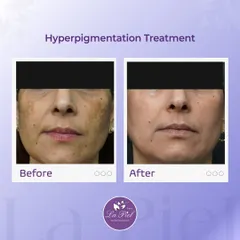
Pigmentation & Skin Tone Correction
 16
16
Pigmentation & Melasma Treatment
 23
23

Pigmentation, Melasma, and Sun Damage Correction

Effective Pigmentation and Melasma Treatment
Effective Pigmentation & Uneven Tone Treatments
 9
9
Advanced Pigmentation and Skin Toning Treatments
More from Medical Dermatology for Skin & Hair by Rashmi Shetty
More services by Rashmi Shetty