Simple Exercises for Pain Relief at Home
I’m Dr. Rachita. If stiffness is part of your daily routine, it doesn't have to be. These are simple, evidence-based movements I teach my patients to help manage pain right where they are. Let's get moving.
Here are the top 5 exercises to prevent neck pain, starting with isometric strengthening. These movements help build stability in the neck muscles to reduce strain from daily activities.
This video covers flexibility exercises for neck pain, including gentle side stretches. Remember to only stretch as far as you feel comfortable to avoid any pain.
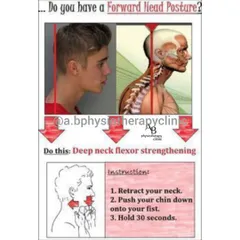
Chin tucks are one of the most effective exercises for restoring your natural neck curve. This subtle movement helps reduce headaches and relieve forward head posture.
If you have rounded shoulders from slouching, these three exercises will help retrain your shoulder muscles. I demonstrate an arm interlock, a wall stretch, and wall W's.
Experiencing pain or numbness in your thumb and first two fingers? This could be from median nerve compression. This simple wall stretch can provide relief.
Follow these simple precautions to prevent neck pain. Good posture, gentle exercises, and avoiding heavy shoulder bags are small habits that make a big impact.
Many people aren't sure what correct sitting posture feels like. I teach a simple method: slouch completely, then overcorrect, then settle in the middle to find your neutral spine.
If you're feeling stiffness in your lower back, try these spinal decompression exercises. They are designed to gently stretch the spine and relieve pressure.
This is the first exercise in my 'Restore Your Core' series for desk workers. The Transverse Abdominus (TA) draw is a foundational move for building core stability and supporting your lower back.
The second exercise is the TA draw with marching. This progression challenges your core stability while seated, helping to strengthen the muscles that protect your spine.
About Guided Exercises for Pain Relief
If you're feeling stiff, 'Motion is lotion'. These exercises are specifically curated for people who spend hours at a desk, whether it's neck tension, rounded shoulders, or that annoying ache in your lower back. You don't need fancy equipment, just a few minutes of consistency. These are foundational movements, but remember, if pain persists, it is a sign from your body that you need a closer look.
Neck and Shoulder Relief
Long hours hunched over a laptop often lead to 'Text Neck' and tight trapezius muscles. I frequently recommend Chin Tucks to restore your natural neck curve and relieve headaches. For rounded shoulders, my go-to routine involves wall-based stretches and isometric holds. These help retrain your shoulder muscles to stop slouching and start supporting your posture naturally. Always move slowly, and stop if you feel sharp pain.
Building Core Stability
For my desk-bound patients struggling with lower back stiffness, I emphasize the 'Restore Your Core' series. This focuses on activating the Transverse Abdominis (TA). Instead of heavy gym workouts, I teach simple, seated exercises like TA draws, marching, and heel slides. By building this core resilience while you sit, you support your spine throughout the workday.
Why Evidence-Based Movement Matters
I believe in healing without relying solely on medications. When you learn to move correctly—using techniques like spinal decompression and mindful stretching—you become independent.
If you are based in New Delhi, you can visit my clinic in New Rajinder Nagar for a manual therapy session, including Laser Therapy or IFT. For those across NCR or with busy schedules, I offer online ergonomics audits. We can jump on a video call, assess your chair setup, and adjust your desk habits to prevent future pain. Let's get you thriving, not just surviving.
Similar work from other experts
Browse through Curated picks from other experts on mytribe

At-Home Physiotherapy Exercises & Prevention Tips
Yoga for Back Pain and Posture Correction
Relieve Back Pain and Correct Your Posture
Corrective Exercises for Lasting Pain Relief
Simple Mobility Routines for Back and Shoulder Pain
Yoga for Back, Neck & Shoulder Pain Relief
More from Ergonomics & Posture Correction by Rachita Luthra
More services by Rachita Luthra