Why Am I Losing Hair? Understanding Causes and Diagnosis
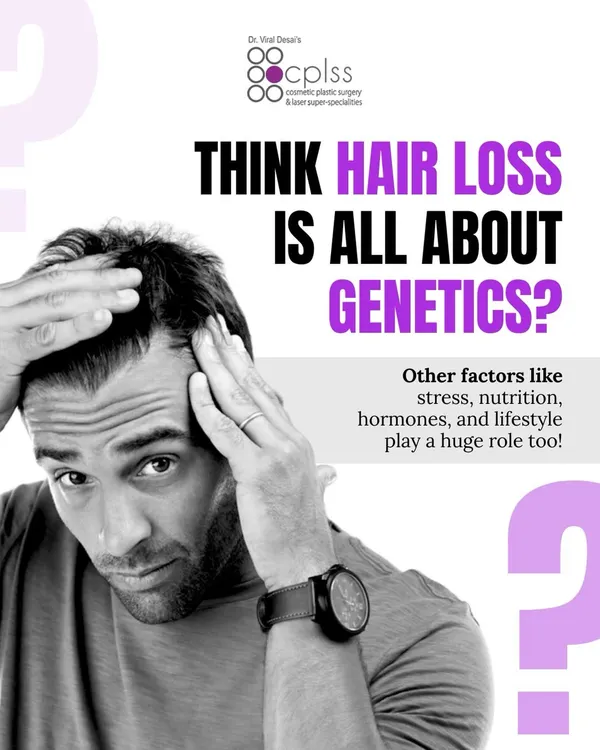
Noticing more hair on your pillow or in the drain? Before you switch shampoos or panic, let's look at the facts. Hair thinning has specific causes—genetics, hormones, or stress—and a professional diagnosis is the only way to find a treatment that actually works.
Noticing more hair in the drain? Hair loss doesn't happen overnight. In this video, I explain that catching the early signs, like thinning at the crown or a widening part, is the key to fixing the problem effectively.
What's the difference between hair loss and hair shedding? I explain that losing 50 to 100 hairs a day is normal shedding. Hair loss, however, is a pathological problem caused by underlying issues and results in thinning or bald patches.
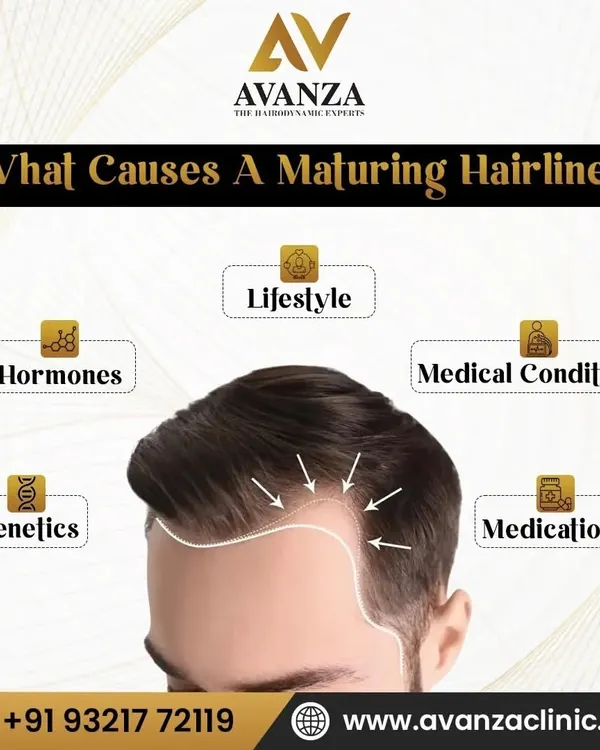
Hair loss has many causes, from genetics and hormones to stress and nutrient deficiencies. This video explains the most common reasons and the corresponding treatments, emphasizing the need to consult a specialist for a proper diagnosis.
Do you really need a hair transplant? Before jumping to conclusions, it's important to get the right checkups. A scalp analysis, blood tests, and a Folliscope test will tell us exactly what your hair needs.
Healthy hair starts with a healthy scalp. A professional scalp analysis is the first step to creating a personalized treatment plan. It helps detect early signs of hair loss and allows us to track your progress accurately.
Wondering if a hair transplant is right for you? Start with our free Folliscope analysis. This smart tool scans your scalp and helps me create a personalized hair treatment plan that I send directly to your inbox.
Finding large clumps of hair in the shower is a clear sign of abnormal hair loss. It's important not to ignore this, as it indicates that your hair may be weakening at the roots and requires professional attention.
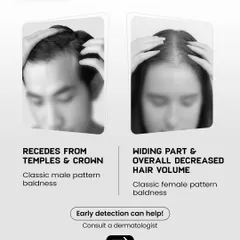
If your scalp is becoming more visible or your hair part looks wider, it's time to take action. These are classic signs of hair thinning that can be effectively treated if addressed early.
Waking up to find many strands of hair on your pillow is another warning sign. This suggests your hair roots are weakening, and it's a good time to seek a professional diagnosis to understand the cause.
Did you know 40% of women experience hair thinning? It's a common and treatable issue, often linked to hormones, stress, or conditions like PCOS. You are not alone, and I am here to help.
About Why Am I Losing Hair?
The biggest mistake I see is patients treating the symptoms while ignoring the root cause. Whether it is a receding hairline or a wider part, a Folliscope scalp analysis is non-negotiable. It allows us to see beyond the surface—checking follicle density and DHT levels—so we don't waste time on generic treatments that won't give you results.
Hair Shedding vs. Pathological Hair Loss
It is normal to lose 50 to 100 strands of hair a day. When you see more than that, it is often a sign of a deeper issue. My job is to distinguish between temporary shedding caused by stress or nutritional gaps, and pathological conditions like androgenetic alopecia (genetic pattern baldness).
Why Diagnosis Must Come First
Bas khali shampoo badalne se kuch nahi hoga (Just changing your shampoo won't do anything). If your hair is thinning, we need to know why:
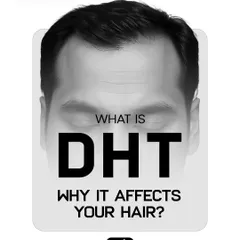
- Genetics: We check for sensitivity to DHT, the hormone responsible for shrinking hair follicles.
- Nutritional Status: We evaluate your iron, Vitamin D, and B12 levels.
- Hormonal Health: For women, we often investigate underlying conditions like PCOS that disrupt hair growth cycles.
The Folliscope Advantage
Instead of guessing, we use the Folliscope. This tool provides a magnified view of your scalp to measure hair shaft thickness and follicular activity. It helps me create a treatment plan tailored to your specific hair density, not a one-size-fits-all protocol.
Moving Forward
Whether you need non-surgical interventions like GFC therapy to stimulate follicles or you are a candidate for a hair transplant, the goal remains the same: stabilizing the hair loss first. Consistency is your best friend here. Hair regrowth is a marathon, not a sprint, and we will monitor your progress with scheduled check-ins to ensure your treatment is working as planned.
Similar work from other experts
Browse through Curated picks from other experts on mytribe
Understanding Hair Loss: Expert Causes and Diagnosis
 12
12
Understanding Hair Loss: A Diagnostic Approach

Identifying the Root Cause of Hair Loss
Why Professional Hair Loss Diagnosis Matters First
 9
9


Identifying the Root Cause of Your Hair Loss
Understanding Your Hair Loss: Diagnostic Medical Care
More from Hair Restoration & Transplant by Nishita Sheth
More services by Nishita Sheth