Dr. Sheth's Hair Care Guide: Real Advice & Solutions
Science, not magic. Whether you are dealing with thinning, recovery, or simply want to maintain your hair, here is the honest truth about what actually works.
Let's bust some common hair myths. Does rice water make hair grow faster? Are hair transplants painful? I separate fact from fiction to help you make informed decisions about your hair care.
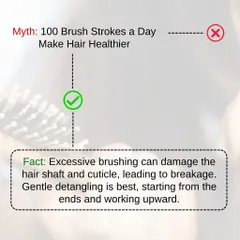
Don't fall for these hair growth myths! Cutting your hair doesn't make it grow faster, and over-brushing can cause breakage. This video debunks common misconceptions and focuses on what really works: a balanced diet and good scalp health.
Are you making these five mistakes that cause hair loss? In this video, I point out common habits like heat styling wet hair that you might not realize are damaging your hair follicles and causing thinning.
A common question I get is, 'Can I color my hair after a transplant?' The answer is yes, but only after the healing is complete, usually around one to one and a half months. Your new hair can be styled just like your existing hair.
Is Finasteride necessary after a hair transplant? For patients with androgenetic alopecia, it is highly recommended. It helps maintain your results by blocking DHT, the hormone that causes hair thinning, and prevents the need for a second surgery.
Minoxidil or Finasteride? I explain the difference between these two popular hair loss medications. Minoxidil is a topical treatment that increases circulation, while Finasteride is an oral medication that blocks the root hormonal cause.
Can hair oil or medicine alone bring back lost hair? The truth is, once a hair follicle is gone, only a hair transplant can restore it. Oils and medicines can support existing hair but cannot regrow hair in a bald area.
Can shampoo alone solve hair loss? No. While some shampoos with active ingredients can help with thinning, they cannot reverse hair loss. A clean scalp is important, but a proper diagnosis is essential for real results.
Just had a hair transplant? Don't step into the sun unprotected. Your new hair grafts are extremely sensitive to UV rays, and direct sun exposure can negatively affect the healing process and your final results.
This image provides easy ways to protect your hair from the sun. Covering up with a hat or scarf and using an SPF hair serum are simple yet effective tricks to keep your hair strong and healthy during the summer.
About Dr. Sheth's Hair Care Guide
Bas khali shampoo badalne se kuch nahi hoga. Many patients come to me having spent months switching brands, only to find their hair fall is actually rooted in a nutritional deficiency or hormonal imbalance. Before you try another serum or home remedy, let us use Folliscope to see what is really happening at the follicle level. Real hair care starts with a proper diagnosis, not a marketing promise.
Understanding Your Hair
Hair loss is rarely simple. Often, it is a combination of genetics, nutrition, and stress. If you are noticing thinning in your 30s, it is rarely just about needing a better product. It is usually a signal that your follicles need medical attention.
Debunking Common Myths
Many patients arrive in my clinic having tried almost everything. Let us clear the air:
- Rice water: It may strengthen the hair shaft, but it does not speed up growth. Growth happens at the root.
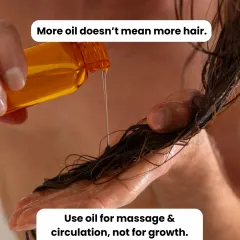
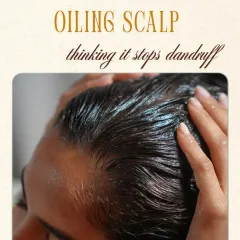
- Daily Oiling: Constant oiling can actually clog pores and encourage fungal issues if you have an oily scalp. It does not stop genetic hair loss.
- Frequent Trims: Cutting your ends keeps hair neat, but it does not reach the scalp where hair growth actually occurs.
Nutrients That Matter
Food is the first step. If your body is deficient, your hair will be the first to suffer. I often look for levels of:
- Biotin (Vitamin B7): Critical for keratin production.
- Vitamin D: Essential for follicle activation.
- Iron: Crucial for oxygen transport to the roots.
- Zinc: Helps repair tissue.
After Your Transplant
If you have undergone an FUE procedure, the next few weeks are delicate. Avoid direct sun exposure, as it can damage sensitive new grafts. Be patient with your results. You will see shedding initially, but real improvement starts around month three, with full results usually visible between nine to twelve months. Remember, the journey does not end at the procedure. I am here to guide you through the growth phases, including the use of Finasteride or Minoxidil if necessary, to block DHT and protect your existing hair.
Similar work from other experts
Browse through Curated picks from other experts on mytribe
 5
5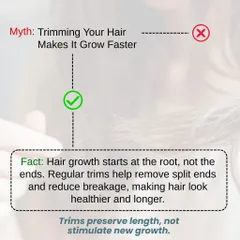
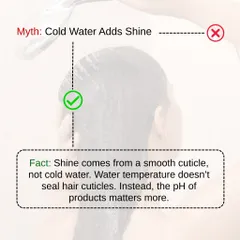
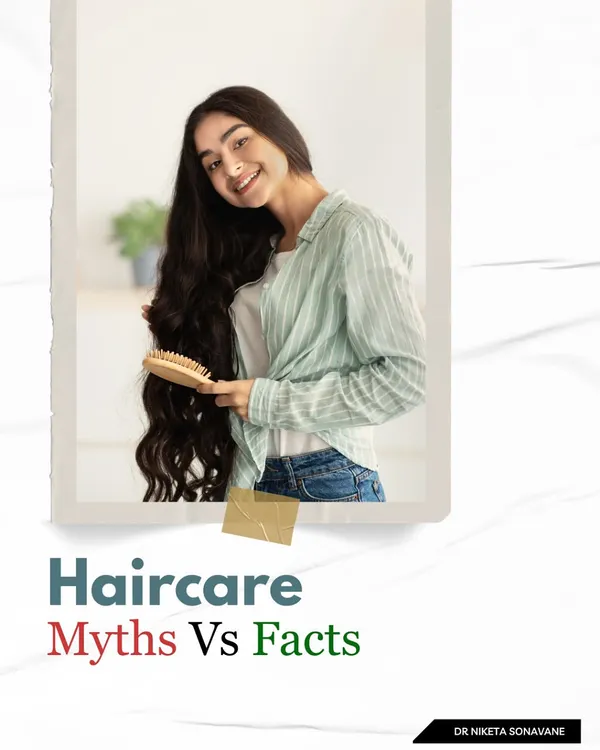
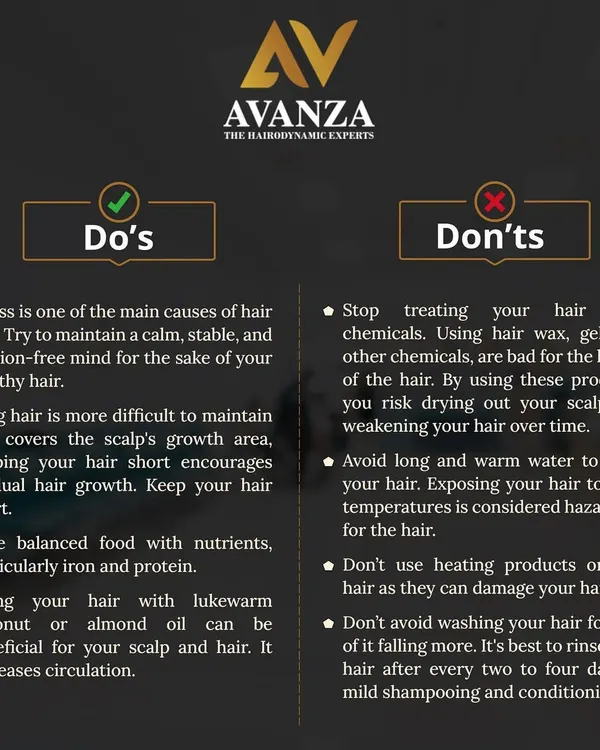
Hair Care Myths vs. Facts: What Really Works for Your Hair
 21
21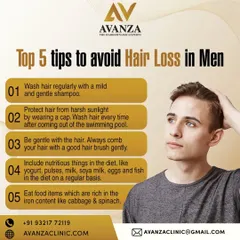
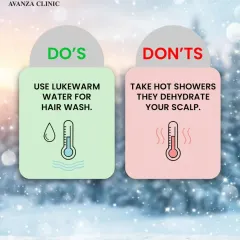
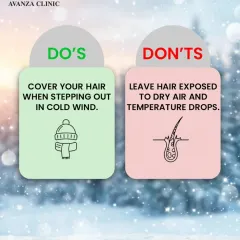
Expert Hair Care and Nutrition Guide

Hair Care Myths vs. Facts: Science-Based Advice
Expert Hair Care & Myth-Busting Tips
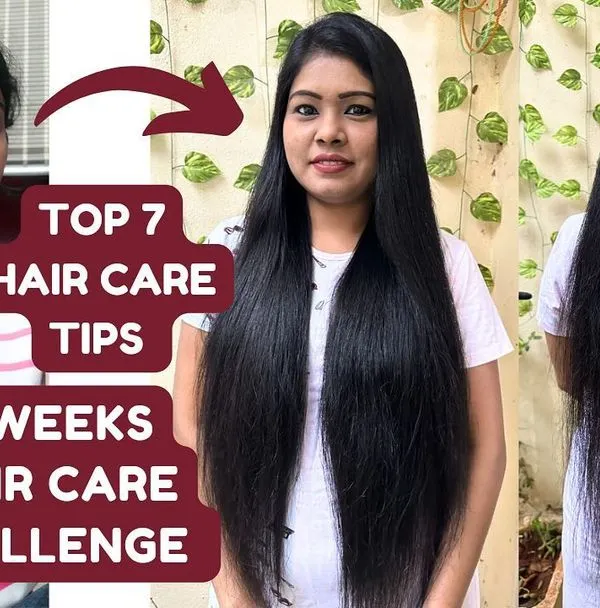
Hair Science & Practical Care Tips by Jawed Habib
 6
6
My Personal Hair Care Secrets and Daily Routines
More from Hair Restoration & Transplant by Nishita Sheth
More services by Nishita Sheth