Drawing Fundamentals & Sketching Techniques
Art isn't magic, it's just observation. Here is how I break down complex subjects like portraits and still life into manageable steps to help you learn faster.
Here are the easy steps to draw a nose, broken down into four stages. We start with simple geometric shapes, refine the structure, and then add shading. This is a core lesson we cover in my beginner workshops.
The final rendered nose from the tutorial. This demonstrates how the simple shapes from the previous step can be transformed into a realistic feature with careful shading and highlighting.
A charcoal study focused on drawing a woman's hairstyle. I concentrated on the flow of the hair, the shine of the highlights, and the deep shadows within the bun to make it look realistic.
My pencil rendering of "A Girl with a Pearl Earring." Master studies are a huge part of my practice. They teach you so much about technique, and this one was a deep dive into light and form.
A study of Immanuel Kant using willow charcoal. This was a practice piece to explore a different medium and a more expressive, less-rendered style compared to my graphite work.
A simple still life drawing of a pear. Practicing with everyday objects is the best way to get good at seeing and drawing light, shadow, and form. It's a fundamental exercise for any artist.
A quick, 15-minute miniature sketch. I do these often to practice the Loomis method for head construction and to keep my drawing skills sharp without the pressure of a big project.
About Learning the Fundamentals: Studies & Techniques
Most people struggle because they rush to add details before setting the structure. Whether I am drawing a nose or a heritage building at Sunder Nursery, I always block it out with simple geometric shapes first. It is the difference between a drawing that falls apart and one that looks solid. In my 1-on-1 sessions, that is where we start—not by trying to draw perfect faces immediately, but by learning to map out proportions correctly.
When you see a hyper-realistic drawing, it looks intimidating. But every complex piece, whether it is a portrait or a master study, is just a collection of basic shapes. I teach art by stripping away the fear of the blank page. We use the Loomis method for head construction or simple value mapping for still life—once you get these fundamentals down, everything else is just patience and practice.
I treat my sessions like a conversation. We don't do formal, rigid classes. We talk about why the light hits a pear in a certain way or how to use a fine liner for cross-hatching without needing an under-drawing. If you are struggling with a specific technique, we pause, fix it, and try again. My 4-session module is built specifically for this, taking you from those first shaky construction lines to a finished portrait you will actually be proud of.
If you are worried about not being good enough, don't be. I have spent years making messy sketches. Even my master studies, like the one I did of Vermeer's 'Girl with a Pearl Earring', were just exercises to understand form. You are not here to be perfect; you are here to learn how to see.
Similar work from other experts
Browse through Curated picks from other experts on mytribe
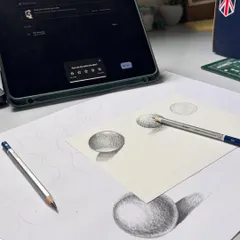
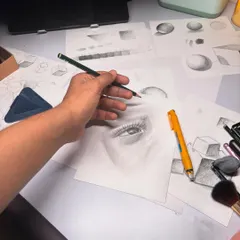
Drawing Foundation: Practice & Basics
 42
42Still Life & Diverse Subject Drawing Classes
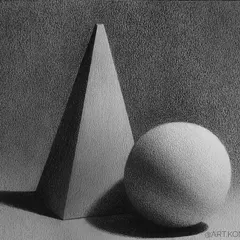
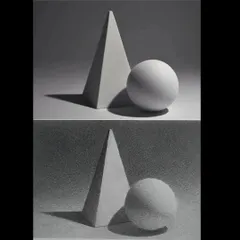
Realistic Pencil Drawing Fundamentals for Beginners
Drawing & Sketching Fundamentals: Build Your Artistic Foundation
 13
13

Drawing and Portraiture Workshops
 8
8
The Sketching Foundation
More from Art Workshops & Classes by Tarun Kumar
More services by Tarun Kumar