Sunscreen Rules: How to Really Protect Your Skin
Sunscreen is not optional, and it is definitely not just for beach days. Whether it is cloudy in Bangalore or you are stuck at your desk, here is how to use it right, stop the 'uruttu' (bluffs), and actually protect your skin.
I recently returned from a trip to Thailand without a tan, and this is how. The secret is simple: religious reapplication of sunscreen every two hours, especially during water activities. I share the exact face and body sunscreens I used to stay protected.
When do you really need to reapply sunscreen every two hours? I explain the practical rules for reapplication. If you are outdoors, sweating, or on a beach vacation, it's a must. If you're indoors, a morning and afternoon application is usually enough.
Not applying enough sunscreen is the most common mistake I see. I explain the two-finger rule and its limitations, showing you how much product you actually need for your face to get the advertised SPF protection. A small dot of sunscreen is not enough.
Choosing a sunscreen can be confusing. I break down the key factors to consider, from SPF and PA ratings to choosing a non-comedogenic formula for acne-prone skin or a water-resistant one for swimming. I also explain how to pick a sunscreen based on your skin type, whether it's oily or dry.
Just for fun, I calculated the exact amount of sunscreen needed for the face using a measuring scale. The result is almost one gram. This demonstrates that most people are under-applying and not getting the full protection they think they are.
The second biggest sunscreen mistake is not reapplying it. I explain that sunscreen's effectiveness breaks down with sun exposure and sweat, creating patches where your skin is unprotected. Reapplication is key to maintaining a consistent shield against UV damage.
Do you skip sunscreen on cloudy or rainy days? That's a mistake. Clouds block visible light, but up to 80% of UV radiation still reaches your skin. I explain why you must wear sunscreen every single day, regardless of the weather.
Enjoying the cloudy Bangalore weather? Don't forget your sunscreen. I explain in Tamil that clouds do not filter UVA or UVB rays, so protecting your skin is essential even when it's not sunny outside.
For Indian skin tones, I recommend an SPF of 30 or higher. If you are mostly indoors, SPF 30 is sufficient. However, if you are going to be in direct sunlight, you need to use SPF 50 for adequate protection.
Ever wondered what "PA+++" on your sunscreen bottle means? I explain that the PA rating measures the level of protection against UVA rays, which are responsible for aging and tanning. The more plus signs, the higher the protection.
About Sunscreen: Your Ultimate Skin Shield
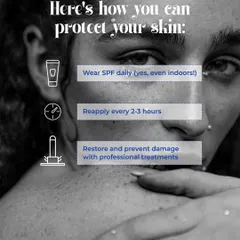
Most people apply far too little sunscreen, leaving gaps in their protection. The 'two-finger rule' is a starting point, but if you are using a fluid formula, you actually need a thicker application than you think. Unless you are applying a full gram for your face and neck, you are not getting the SPF number printed on the bottle.
Why Sunscreen Is Non-Negotiable
Sunscreen is the single most important tool you have against premature aging, pigmentation, and skin cancer. UV rays do not care if it is cloudy or if you are sitting indoors. Clouds block visible light, but they do not filter out 80% of UV radiation. If you think you are safe because it is raining in Bangalore or because you are indoors, you are wrong. You need protection daily.
The Reapplication Reality
Every bottle says 'reapply every two hours.' Is that practical for everyone? No. If you are sitting in an office all day, a morning and afternoon application is usually sufficient. However, if you are a field worker, an athlete, or heading to a beach, you must reapply every two hours. Sweat and physical activity create gaps in your protection, turning your sunscreen into a patchy shield. If you have hyperpigmentation or acne scars, treat this as non-negotiable.
Choosing Your SPF
For Indian skin tones, do not get confused by endless marketing. If you are mostly indoors, SPF 30 is sufficient. If you are in direct, harsh sunlight, use SPF 50. Look for the PA rating—this indicates protection against UVA rays which cause aging. If you have acne-prone skin, look for labels that say 'non-comedogenic.' If you have dry skin, cream or lotion-based formulas will feel more comfortable.
Avoid the DIY Traps
Do not mix kitchen ingredients on your face. Do not use toothpaste or lemon to treat spots. These DIY hacks cause more harm than good and often make your skin more sensitive to the sun. Stop the skin abuse. Stick to pharmacy-grade routines and get your diagnosis from a dermatologist, not a YouTube video.
Similar work from other experts
Browse through Curated picks from other experts on mytribe
Sunscreen is Non-Negotiable: The Truth About Daily Protection
Sunscreen School: Expert Guide for Indian Skin
Your Ultimate Guide to Choosing and Using Sunscreen

Sunscreen: Why It Is Your Best Defense Against Aging
Sun Protection Guide: Why SPF Is Your Non-Negotiable Daily Routine

Sun Protection Simplified: A Dermatologist's Daily Guide
More from Pre-Bridal Skincare Programs by Vandhana Manoharan
More services by Vandhana Manoharan