Real Science for Hair and Scalp Health
Stop buying hair products just because an influencer told you to. I am Dr. Vandhana, and I am here to tell you why your shampoo might be the real reason your hair is suffering. Let’s get back to basics with actual dermatology, not marketing gimmicks.
Do you ever check the ingredient list on your shampoo bottle? In this video, I introduce the importance of understanding what's in your hair care products. Using the right shampoo for your hair type is the first step towards healthy hair.
This video is a guide to decoding shampoo labels. I explain which detergents like SLS are suitable for oily hair versus dry hair, and list 10 common culprit ingredients like parabens and certain alcohols that you should avoid to prevent stripping your hair of moisture.
Proper hair care starts with the basics, like how you shampoo. I share some essential tips in Tamil, including using lukewarm water, focusing shampoo on the scalp, and how often you should wash based on your hair type and lifestyle to prevent hair damage.
About Hair & Scalp Care Fundamentals
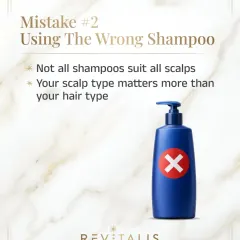
Most people are using too much shampoo on their hair strands, which strips them of essential oils and leads to dryness. Focus the product on your scalp where it actually cleans, and let the foam gently run through your lengths when you rinse. If you have dry hair and your label lists Sodium Lauryl Sulfate (SLS) as a primary ingredient, you are likely causing unnecessary damage every time you wash.
Decoding Your Shampoo Label
Stop guessing and start looking at the back of the bottle. If your hair is oily or you use heavy styling products, a detergent like SLS might be necessary to break down buildup. However, for most of us, this is overkill.
The 10 Culprits to Watch For: I often see patients struggling with dryness because they haven't realized their shampoo contains ingredients that actively strip moisture. Avoid these where possible:
- Sulfates (like SLS): Only for very oily scalps.
- Mineral Oil: It sits on top but doesn't nourish.
- Formaldehyde/Quaternium 15: A common preservative you definitely do not need.
- Short-chain alcohols: These evaporate quickly and steal moisture from the hair shaft.
How You Wash Matters
It is not just about what you use, but how you use it. Hot water is your hair's enemy. It swells the cuticle and leaves strands fragile. Always use lukewarm water. If you feel the need to wash daily due to gym sweat, use a mild, sulfate-free cleanser. If your scalp is dry, washing twice a week is usually sufficient.
Why Medical Advice beats 'Kitchen Magic'
We have all seen the reels suggesting coffee scrubs, milk powder, or egg masks. These ingredients are for your kitchen, not your scalp. They lack the molecular structure to penetrate the follicle or treat underlying issues like deficiencies or hormonal hair loss. If you are experiencing thinning or excessive shedding, you need a trichoscopy-based diagnosis, not another DIY mask. My clinic focuses on science-backed interventions—from GFC hair regrowth to targeted medical prescriptions—that actually respect your scalp health.
Similar work from other experts
Browse through Curated picks from other experts on mytribe
Essential Hair & Scalp Care
Essential Hair & Scalp Care Science
Scientific Guide to Scalp Health and Hair Care

Your Daily Hair Care Routine: Science-Backed Advice for a Healthy Scalp
Expert Hair Care Insights and Advice
 12
12
The Scalp-First Approach to Healthy Hair
More from Hair Loss & Restoration Treatments by Vandhana Manoharan
More services by Vandhana Manoharan