Healthy Habits: The Science of Diet and Lifestyle for Skin
Stop trusting influencers who tell you to put kitchen ingredients on your face. Real skin health starts with what you eat and how you live. Let’s talk about science, not sales.
As a dermatologist, my favorite skin-healthy snack is Jamun. This local superberry is packed with antioxidants like Vitamin C and anthocyanins, which help support collagen, even out pigmentation, and protect the skin from environmental stress. Good skin starts from within.
Did you know your phone can impact your skin? The blue light from screens can contribute to pigmentation and melasma, while late-night scrolling can lead to under-eye dark circles. I break down the surprising ways your phone affects your skin.
In Bangalore, traffic isn't the only problem. The hard water here can be tough on your skin and hair, leading to dryness, irritation, and breakouts. It's an issue many people face but few talk about.
Let's break down the myths and facts about whey protein. I discuss its effects on the kidneys, liver, hair, and skin. While it doesn't cause hair loss, certain forms can trigger acne in some individuals due to additives and hormonal effects.
If you're dealing with puffy eyes, there are several lifestyle factors to consider. Getting good sleep, staying hydrated, reducing salt intake, and quitting smoking and alcohol can all make a significant difference in reducing under-eye puffiness.
About Healthy Habits: Diet, Lifestyle & More
People often ask me if there is a 'superfood' for skin. Romba mukkiyam (very important) to remember: there is no magic pill. Take jamun, for instance. I love snacking on this local superberry because it is packed with anthocyanins that support collagen synthesis and help manage pigmentation. It is about simple, science-backed choices, not expensive powders or random influencer trends.
Skin health is not just about the products you apply. It is a reflection of your internal health. If you are struggling with breakouts, your diet might be the culprit. Take whey protein, for example. It is not the protein itself that causes issues, but the additives in certain powders that can spike your insulin growth factor. This leads to increased sebaceous activity and acne. If you notice breakouts after starting a new supplement, it is time to audit your ingredients or switch to plant-based sources.
Then there is the issue of sugar. High glycemic foods do not just affect your waistline. They spike insulin, which can trigger hormonal acne and systemic inflammation. It is not about starving yourself or cutting out everything you enjoy, but finding balance.
Your lifestyle also plays a massive role. The 'tech neck' phenomenon, caused by constantly looking down at your phone, creates horizontal creases that are difficult to treat later. Furthermore, blue light exposure from screens can contribute to melasma and pigmentation. These are not marketing gimmicks. They are observable realities.
My approach is to help you filter the noise. Whether we are discussing water intake, sleep hygiene, or identifying which supplements are actually useful, I am here to help you separate facts from myths. Stop treating your skin like an experiment and start treating it with medical logic.
Similar work from other experts
Browse through Curated picks from other experts on mytribe
How Diet and Lifestyle Impact Your Skin Health
Nutrition for Healthy Skin
Lifestyle, Diet, and Skin Health Advice

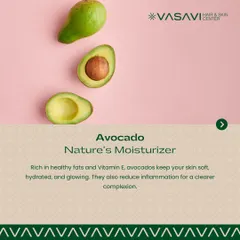
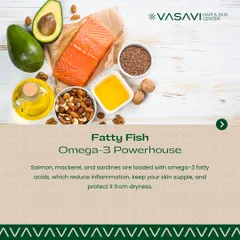
Diet and Lifestyle Tips for Clear Skin
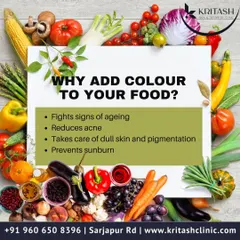
How Daily Habits and Lifestyle Impact Your Skin Health


Glow From Within: Diet and Lifestyle Changes for Better Skin
More from Dermatology Consultation by Vandhana Manoharan
More services by Vandhana Manoharan