Hair Regrowth Myths: Science vs. Social Media
Viral hair hacks and DIY trends often do more harm than good to your scalp. Here, I break down the science of hair care to help you separate internet noise from actual medical facts.
Let's play 'This or That'. When it comes to hair, I'll always choose GFC over rosemary oil for targeting actual follicles. For a wedding glow, skin boosters provide deeper, longer-lasting hydration than a temporary HydraFacial. My choices are always based on predictable, safe, and effective results.
In another round of 'This or That', I explain my preferences. I pick ceramides over snail mucin for foundational skin health and Minoxidil over generic hair serums for proven results. It's about choosing what is scientifically validated to work.
Do collagen supplements really give you glowing skin and amazing hair? *Chalo, seedha science se baat karte hain*. Your body breaks down collagen into amino acids, it doesn't go directly to your skin or hair. It can help with hydration and hair strength over time, but it's a support system, not a hero product.
At-home microneedling or using a dermaroller is a trend I strongly advise against. Using the wrong needle depth without professional supervision creates a high risk of infection, scarring, and pigmentation. This is not a DIY task; it's a medical procedure.
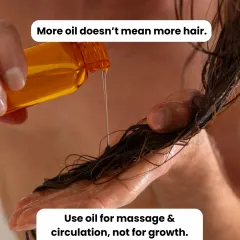
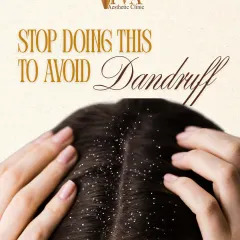
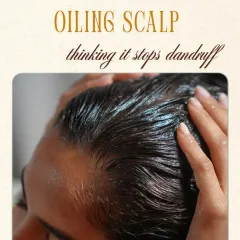
Are you making these common mistakes when treating dandruff? Overusing anti-dandruff shampoos, scratching your scalp, and applying hair oil can all make the condition worse. Oil actually feeds the fungus responsible for flakes.
Using a sharp comb to scrape off scalp psoriasis flakes is dangerous. This is not dry skin; it's an inflamed patch caused by an overactive immune system. Scraping can cause bleeding, infection, and even trigger new plaques to form. Please consult a dermatologist for safe treatment.
A toothbrush for your scalp? Please don't. The bristles are far too abrasive and can cause micro-tears, irritation, and disrupt your scalp's delicate skin barrier. The best tools for cleaning your scalp are your own fingertips, used to gently massage in the shampoo.
About Busting Hair Myths: Science vs. Social Media
Before you spend money on viral hair oils or DIY derma-rollers, please understand that hair regrowth is a medical process, not a TikTok trend. Using the wrong tools or home remedies can cause scarring and infections that are much harder to fix than the original hair fall. If you are struggling with thinning, let’s look at your scalp health first—not your Instagram feed.
Why 'Magic' Remedies Fail
Dekho, viral trends often promise miracles, but biology doesn't work that way. When people try to use onion juice, rosemary oil, or aggressive DIY dermarolling, they often ignore the root cause of the issue. For instance, putting oil on an already dandruff-prone scalp often feeds the fungus responsible for flakes, making the condition significantly worse.
The Danger of DIY
Some trends are not just ineffective; they are dangerous. Using a toothbrush to scrub your scalp or trying to scrape off psoriasis plaques causes micro-tears, bleeding, and serious infections. Your scalp is delicate skin, not a floor that needs scrubbing. When you damage the skin barrier, you disrupt the very environment your hair follicles need to stay healthy.
My Approach: Science, Not Trends
My clinic in Mumbai focuses on actual diagnostics. We don't guess; we look. This might involve blood work to check for iron or Vitamin D deficiencies, or digital trichoscopy to map your follicle health. Treatments like Growth Factor Concentrate (GFC) or Exosomes work at a cellular level, stimulating growth where it is actually needed, rather than just masking the problem with a topical serum.
Let's Get Real
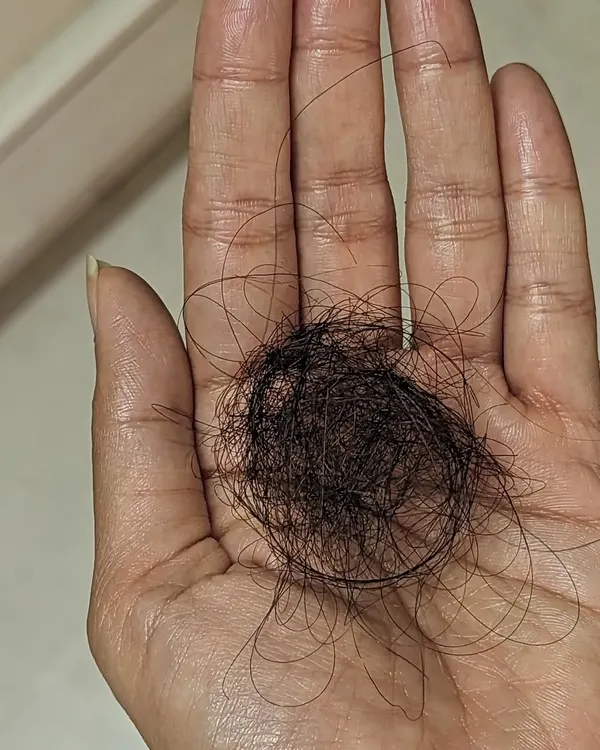
If you have been struggling with hair loss, stop experimenting with every new product you see online. It wastes time and money, and often delays the professional treatment that could have actually saved your follicles. Whether it is Androgenetic Alopecia or a simple nutritional gap, we need a roadmap. Let’s sit down, look at the science, and build a plan that actually works for your lifestyle.
Similar work from other experts
Browse through Curated picks from other experts on mytribe
Haircare Myths vs. Science: Get Real Medical Advice
Hair Care Myths vs. Facts: Science-Based Advice
Debunking Hair Growth Trends with Science
Expert Hair Care & Myth-Busting Tips
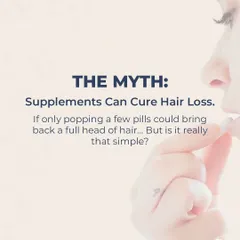
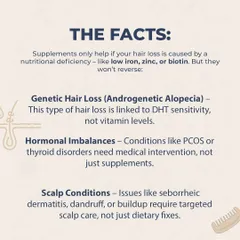
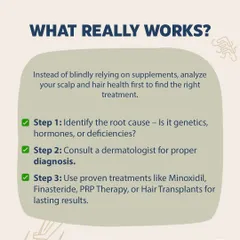
Facts Over Fads: Debunking Common Hair Loss Myths
 5
5
Hair & Scalp Health: Moving Beyond Common Myths
More from Hair Restoration & Scalp Treatments by Saloni Vora-Gala