Expert Hair Care & Myth-Busting Tips
Internet pe toh har koi expert hai, par asli solution milna mushkil hai. I cut through the noise with scientific facts to help you move past viral trends and build a real, effective hair care routine.
Does stress cause grey hair? Is black henna safe? I tackle common myths and facts about premature greying. Understanding the real causes, from genetics to hormonal changes, is the first step to managing it correctly.
Are you struggling with split ends? Trimming is the only real cure, but you can prevent them. I explain the causes, from nutritional deficiencies to heat damage, and provide practical tips like using mild shampoos and regular trims to keep your hair healthy.
Monsoon humidity can make hair frizzy and unmanageable. Here are five simple swaps you can make to your routine, like using a cotton t-shirt instead of a towel and switching to a wooden comb, to achieve sleek, frizz-free hair.
Tip 1 for colored hair: Always use a gentle, color-safe, or sulfate-free shampoo. Harsh clarifying shampoos can strip your hair of its color and natural oils, leading to fading and dryness.
Tip 2 for colored hair: Condition properly. Always apply a hydrating conditioner after shampooing, focusing only on the hair length and tips, not the scalp. This locks in moisture and keeps your hair smooth.
Tip 3 for colored hair: Limit how often you wash your hair. Frequent washing removes natural oils and fades color faster. Washing 2-3 times per week is usually enough to maintain hair health and color vibrancy.
Tip 4 for colored hair: Protect your hair from heat. Excessive heat from straighteners, curlers, or blow dryers causes damage and dulls color. Always use a heat protectant spray and opt for air-drying when possible.
Tip 5 for colored hair: Shield your hair from the sun and chlorine. UV rays fade hair color, so wear a hat outdoors. Rinsing your hair before and after swimming also reduces damage from chlorine.
Healthy skin and hair start from within. Topical treatments alone are not enough. Remember to hydrate by drinking enough water and adding healthy fats like nuts, seeds, and omega-3s to your diet.
About Expert Hair Care & Myth Busting
Before you try that viral hair mask or switch your shampoo based on a reel, understand that bina samjhe kuch bhi shuru nahi karte. Real hair care is not about finding the most expensive product; it is about knowing your scalp type and identifying the root cause of your concern—whether it is nutritional deficiency, stress, or simple environmental damage.
Why Generic Advice Fails
I see patients in my Vashi clinic every day who have arrived with damaged hair because they followed online hacks without knowing their own hair history. When you treat your hair based on trends rather than biology, you aren't just wasting money; you are often actively causing more damage.
The Science of Hair Health
Real hair care starts with a diagnosis, not a product recommendation. Whether you are dealing with premature greying, frizzy monsoon hair, or persistent split ends, we must look at the variables:
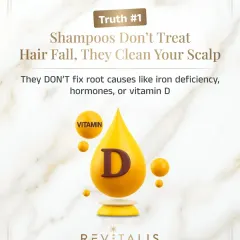
- Nutritional Status: If your body is low on iron, biotin, or Vitamin D, no amount of topical serum will fix the breakage.
- Scalp Physiology: Is your scalp oily, dry, or prone to dandruff? Using the wrong shampoo can irritate the scalp and weaken the follicle.
- Environmental Impact: From UV exposure to hard water in Navi Mumbai, external factors play a massive role.
Breaking Common Myths
- Black Henna: It is not 'natural'. Most black henna contains PPD, a chemical that can cause severe allergic reactions and damage your hair texture.
- Split Ends: Serums can smooth them temporarily, but they cannot 'repair' them. Regular, professional trimming is the only way to stop them from traveling up the hair shaft.
- Daily Washing: For many, daily washing strips natural oils. We need to find the balance that suits your lifestyle, not the frequency someone on the internet suggests.
My Approach
I do not offer one-size-fits-all solutions. In my clinic, we start with a professional assessment, often using trichoscopy, to see exactly what is happening at the root level. From there, we build a routine—and if needed, a treatment plan—that is specific to you.
Similar work from other experts
Browse through Curated picks from other experts on mytribe
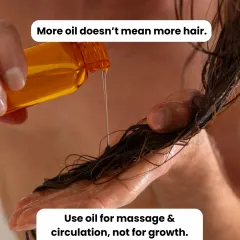
Hair Care Myths vs. Facts: Science-Based Advice
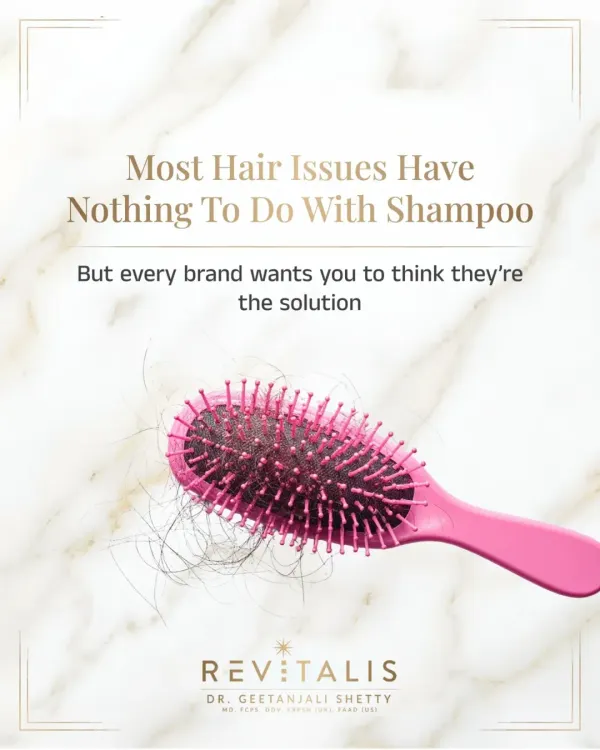 9
9

Hair Care Myths vs. Facts: What Really Works for Your Hair
Hair Care Myth-Busting: Science-Backed Facts for You
Haircare Myths vs. Science: Get Real Medical Advice
 5
5
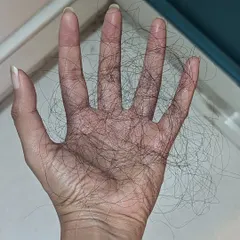
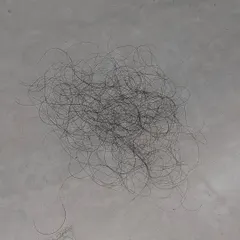
Hair & Scalp Health: Moving Beyond Common Myths
Hair Regrowth Myths: Science vs. Social Media
More from Non-Surgical Hair Loss Treatment by Amit Kerure
More services by Amit Kerure