Dermatologist-Approved Advice for Seasonal Skin and Hair Care
External conditions like high humidity and dry winter air can disrupt your skin barrier and hair health. My clinical guidance helps you adapt your daily regimen for every season.
The monsoon's high humidity presents unique challenges for both skin and hair. I offer my top tips for managing frizz and oiliness, including using water-based serums and lightweight products, without forgetting your sunscreen.
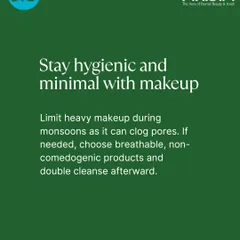
For monsoon brides, achieving a flawless look despite the humidity is paramount. I suggest using matte-based products, considering skin boosters for natural hydration, and using light serums to control hair frizz for that perfect photo finish.
Winter air can leave skin and hair feeling dry and dehydrated. In this video, I share my essential winter care routine, from intensifying your moisturizer to using nourishing hair serums to protect against the cold, dry weather.
A flaky scalp is a common complaint during winter. The first step is to identify the cause, as conditions like dandruff or seborrheic dermatitis require different approaches than simple dryness.
During winter, it is often beneficial to shampoo less frequently if you have dry hair. Always follow with a conditioner on the lengths of your hair to replenish moisture lost to the dry air.
Washing your hair with very hot water can strip the scalp of its natural oils, leading to dryness and flaking. I always recommend using lukewarm water to maintain a healthy scalp barrier, especially in winter.
To combat winter flaking, I recommend using a clarifying shampoo with active ingredients tailored to the specific cause. A professional diagnosis will help determine the right formulation for you.
Before starting any treatment for a flaky scalp, including hair oils, it is crucial to consult a dermatologist. Oils can sometimes worsen certain scalp conditions, so a proper diagnosis is essential.
Chlorine and saltwater can be harsh on your hair. I provide simple, effective tips to protect your hair post-swimming, such as pre-saturating it with fresh water and rinsing thoroughly immediately after your swim.
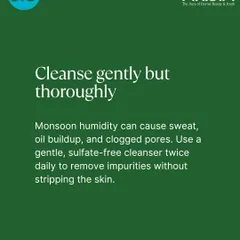
A proper cleanse is the foundation of any effective skin or hair routine. A good cleanser removes excess oil, dead cells, and debris, creating a clean slate for any active ingredients or treatments to work effectively.
About Expert Guidance & Seasonal Care
The most common mistake I encounter is maintaining the same skincare and haircare regimen year-round despite shifting environmental conditions. Humidity during the monsoon necessitates water-based, lightweight serums to mitigate excess oil production, whereas the dry winter air demands a shift to ceramide-rich emollients for the face and scalp. Adjusting your active ingredients and product textures is the foundational step toward preserving your skin barrier integrity throughout the year.
Adapting to Seasonal Shifts
Your skin and hair are dynamic, constantly responding to the environment. What works in Mumbai’s humid monsoon—where over-washing can actually trigger excessive sebum production—will fail in the dry winter months, where the priority must shift to hydration and barrier protection.
Monsoon Management The increased humidity often leads to frizz and fungal growth on the scalp. I recommend prioritizing gentle, non-stripping cleansers and shifting to water-based serums. Exfoliation should be moderate; over-exfoliating in a humid climate will only compromise your skin's protective lipid layer, making it prone to breakouts.
Winter Care Dry air strips the skin and scalp of moisture. For the scalp, this often mimics dandruff but is frequently a result of simple dehydration. I advise against hot showers, which further compromise the scalp barrier. Incorporate ceramides and hyaluronic acid into your routine, and ensure that conditioner is applied strictly to the hair lengths, never the scalp, to avoid unnecessary buildup.
Environmental Factors Beyond the seasons, exposure to chlorinated pool water requires immediate intervention. Pre-saturating your hair with fresh water before swimming creates a barrier, minimizing the absorption of harsh chemicals that cause breakage and dullness.
The Role of Professional Diagnosis General advice is useful, but it cannot replace a clinical assessment. If you are experiencing persistent flaking, hair fall, or unmanageable skin changes, these are often symptoms of an underlying condition—such as hormonal shifts or nutritional deficiencies—rather than just the weather. During a consultation at my Peddar Road or Khar clinics, we utilize digital trichoscopy to examine your follicles and scalp health, allowing us to differentiate between simple dryness and conditions like telogen effluvium or androgenetic alopecia. We do not guess; we diagnose to create a treatment path that yields actual results.
Similar work from other experts
Browse through Curated picks from other experts on mytribe
 6
6
Expert Skincare and Hair Care Advice
Expert Advice for Healthy Skin and Hair
Expert Hair Care Advice for a Healthy Scalp
Daily Hair Care Habits That Actually Work
Seasonal Skincare and Lifestyle Habits
Haircare Wisdom and Seasonal Tips for Healthy Growth
More from Hair Restoration by Malavika Kohli
More services by Malavika Kohli