Expert Hair Care Advice for a Healthy Scalp
Stop guessing your hair care routine. I break down the science behind what your hair and scalp actually need to stay healthy in our humid Mumbai weather.
This is a common mistake I see. Men often wet their hair daily without shampooing and then complain about hair fall. This is not a healthy practice. To maintain a clean scalp and prevent hair fall, you should shampoo your hair three times a week.
We all love a good blow dry, but excessive heat can harm your scalp. Heat and humidity cause dryness, which can lead to hair fall and increase dandruff. It also strips the natural oils from your scalp. It is better to limit the use of dryers and use a shampoo and conditioner suitable for your hair type.
Excessive heat from styling tools does more than just dry out your hair. It can cause folliculitis, increase dandruff, and trigger allergies or flare ups of conditions like eczema and psoriasis. If you notice your scalp is reacting to heat, do not ignore it and consult a dermatologist.
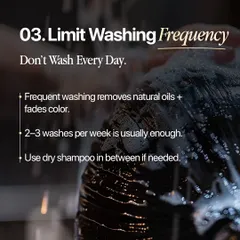
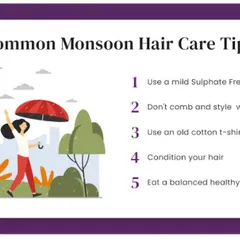
Here are my simple tips for monsoon hair care. One, do not get your hair wet in the rain. Two, wash your hair every alternate day. And three, do not apply hair oil and leave it on your scalp overnight, as this adds to the humidity and can cause scalp issues.
During the monsoon, there are a few things you should avoid for your hair's health. Do not use a lot of setting gel, as it increases humidity and can cause irritation or folliculitis. Also, avoid dry shampoos. Just wash your scalp properly to keep it clean.
That 50% sale on dry shampoo might be tempting, but please stop. Dry shampoos can cause more flakes, dandruff, and fungal growth on your scalp. It is much better to simply wash your hair at least twice a week to keep your scalp clean and healthy.
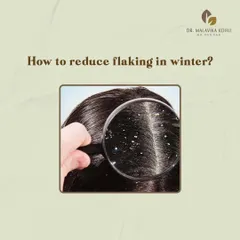
Dandruff is a common issue in winter, often due to dryness. A simple and effective tip is to apply lukewarm coconut oil to your scalp about half an hour before you wash your hair. This acts as a great conditioning and moisturizing treatment to hydrate a dry scalp.
About Expert Hair Care Advice
Wetting your hair daily is a habit that weakens the hair shaft and leads to more breakage—not cleanliness. My rule is simple: limit washing to three times a week and focus on a scalp-first approach, theek hai? If you are struggling with excessive hair fall or persistent irritation, it is usually a sign that your current routine is stripping the skin barrier rather than healing it.
My practice in Bandra is built on evidence-based dermatology, not social media trends. When I see patients, most of their hair concerns—dandruff, folliculitis, or brittle strands—are actually caused by their own 'care' routines.
Common Hair Care Myths I Debunk
-
The Dry Shampoo Trap: That 50% sale on dry shampoo might be tempting, but please, bas (enough). These products only build up on your scalp, clogging follicles and inviting fungal growth like Malassezia. A clean scalp needs actual water and shampoo, at least twice a week.
-
Heat Damage is Real: We all want a good blow dry, but excessive heat does more than dry out your hair. It causes folliculitis, triggers eczema flare-ups, and strips away natural oils. If your scalp is reacting to styling tools, stop immediately.
-
Seasonal Adaptation: In Mumbai, we have to adapt. During the monsoon, avoid setting gels that trap humidity, and never leave oil on your scalp overnight—it is a breeding ground for infection. In winter, dryness is the enemy. A quick 30-minute lukewarm coconut oil treatment before a wash is a better hydration strategy than leaving heavy oils on for days.
If you are ready to stop being a guinea pig for online trends and want a routine that actually matches your scalp type, let's look at your hair health properly.
Similar work from other experts
Browse through Curated picks from other experts on mytribe
Daily Hair Care Habits That Actually Work
 4
4
Expert Hair and Scalp Health Care
Hair Care Education: Expert Tips for Healthier Strands
 5
5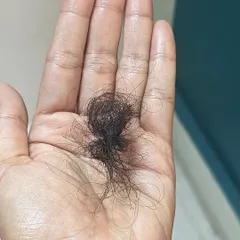
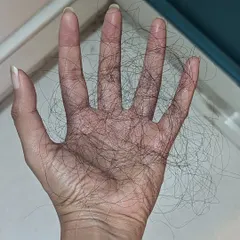
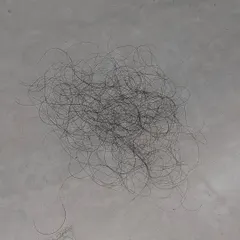
Hair & Scalp Health: Moving Beyond Common Myths
 7
7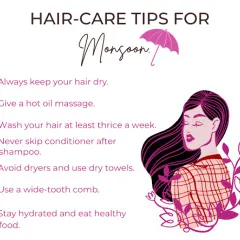
Expert Hair Care Advice and Scalp Health Solutions
Dermatologist-Approved Advice for Seasonal Skin and Hair Care
More from Hair Restoration & Laser Hair Removal by Sadhana Deshmukh
More services by Sadhana Deshmukh