The Vanishing Havelis of Chandni Chowk
Beyond the crowded bazaars of Chandni Chowk lie centuries-old mansions holding secrets of poets, traitors, and Mughal treasurers. Join me to walk through these forgotten architectural gems before they disappear forever.
An old doorway in Chandni Chowk, leading to a world of vanishing havelis. My book on this topic uncovers three hidden mansions you can still find in its alleys, each with a dramatic story.
This video captures the feeling of wandering through the gullies of Chandni Chowk, searching for its purani havelis. You can feel the history in the air, a story I tell in detail.
Then and now. This image starkly contrasts the past grandeur of a haveli with its current state of ruin, showing how these symbols of wealth are fading under the weight of time.
A narrow lane in Old Delhi frames a crumbling haveli, a sight that is becoming rarer. Urbanization and neglect are erasing what once shaped the identity of Shahjahanabad.
This dramatic image captures the urgency of my work. Old Delhi's havelis are fading fast, and as they disappear, so does a piece of the city's heritage. It's time to notice and remember.
A participant on one of my walks peers into a historic haveli in Chandni Chowk. These walks inspired the book, offering a glimpse into the lives lived within these walls.
Ghalib ki Haveli, the residence of the 19th-century poet. This heritage site in Ballimaran was a gift from a fan and remains a sanctuary of poetry and history.
A collage showing the bust of Mirza Ghalib and the interiors of his haveli. The book details its Mughal architecture, which reflects an empire on the decline.
A tribute to Mirza Ghalib, the Indian poet whose spirit still haunts the lanes of Old Delhi. His haveli whispers memories of a bygone era of mehfils, music, and poetry.
The story of Namak Haram ki Haveli, the mansion of a traitor. It belonged to Bhawani Shankar Khatri, who betrayed his king to join the British, earning his home its infamous name.
About The Vanishing Havelis of Chandni Chowk
On our walks, we don't just stand outside these buildings. We step into the quiet courtyards of places like Khazanchi Haveli, where legends claim a secret tunnel once connected the treasurer's home directly to the Red Fort. It is a completely different side of the old city that you would miss if you just came here for the shopping.
Old Delhi is loud, chaotic, and vibrant, but there is a quiet, decaying beauty tucked away in its labyrinthine galis. While thousands pass by daily for the street food and markets, these 300-year-old mansions are slowly fading into oblivion. My walks are designed to help you slow down and see the city through a different lens.
We stop at landmarks like Ghalib ki Haveli, where the legendary poet spent his final years, and dive into the drama behind Namak Haram ki Haveli, named after a historical act of betrayal in the early 19th century. We also look at the architectural transition from the Mughal era to what stands today, discussing how urbanization and neglect are chipping away at Shahjahanabad’s identity.
This is not just about looking at walls. It is about understanding the people who lived here—the merchants, the treasurers, the poets, and the people who held power. It is about acknowledging that these structures are part of our collective heritage. Whether you are a history enthusiast, a local looking to reconnect with your roots, or just tired of the usual tourist trails, this walk offers a raw look at the old city. Come explore these spaces with me before they are lost to time.
Similar work from other experts
Browse through Curated picks from other experts on mytribe
 12
12
Documenting Historical Sites in Delhi & Beyond
 29
29
Heritage Hospitality: Restoring Mughal Grandeur
 10
10
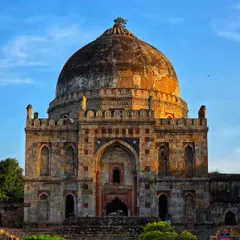
Delhi’s Soul: Cinematic Travel & Location Photography
 43
43
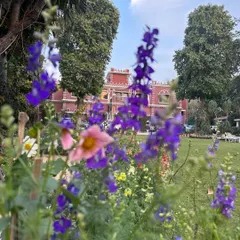
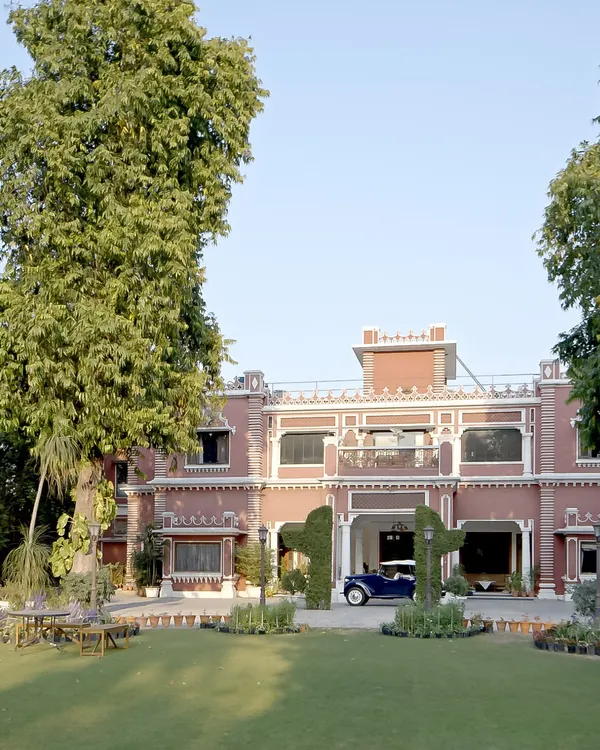
Lal Kothi: A Heritage Home Restored
 45
45
Delhi Urban Sketches and Architectural Art
 27
27
Authentic Street Photography and Monument Moments in India
More from Curated Books on Delhi's History by Delhi Walks
More services by Delhi Walks