If These Walls Could Talk: Hidden Tales of Delhi's Monuments
History in Delhi isn't just about dry dates and dusty plaques. It’s a conversation between the Qutub Minar, the Red Fort, and the silent whispers of ancient ruins. Let’s hear what the city has to say.
If Delhi's walls could speak, what would they say? This series imagines a conversation between the city's most iconic monuments, each with its own personality and stories to tell.
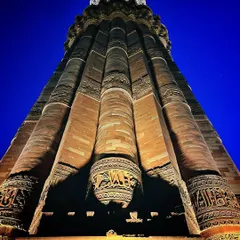
Qutub Minar starts the conversation: "I am the tallest so I'll start. I've stood tall since the 12th century and I've seen dynasties fall."
The Red Fort replies: "I was a symbol of power and now I host the Independence Day flag." Each monument has witnessed a different chapter of India's history.
Agrasen ki Baoli whispers: "Whispers echo in my steps... and not all of them from tourists." A nod to its haunted reputation and ancient mysteries.
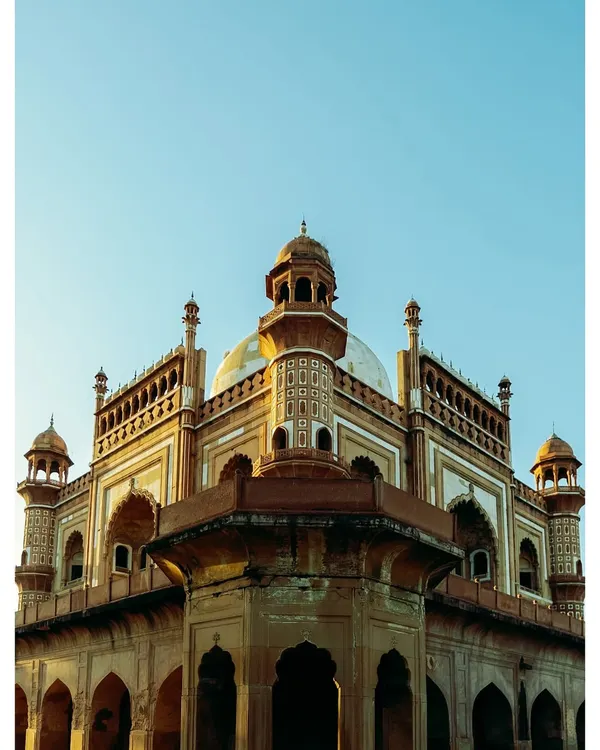
Safdarjung's Tomb chimes in: "Overshadowed, but I still carry the grace of Mughal decline." It represents the beautiful end of a powerful empire.
India Gate asks a poignant question: "I carry 70,000 names, have you ever read one?" A reminder of the personal sacrifices behind the grand monument.
About If These Walls Could Talk
On our walks, we move past standard plaque readings. Instead, we explore the personal side of these monuments—like why the India Gate names matter more than the architecture, or the specific acoustic quirks of Agrasen ki Baoli that make it feel alive. This isn't a lecture; it's a conversation with the stones themselves, designed to make you feel the weight and the warmth of the city.
When we say 'If These Walls Could Talk,' we are not using a metaphor; we are inviting you into a sensory experience. Most guided tours treat Delhi’s landmarks as a checklist. We treat them as characters in an endless, unfolding drama.
Why Monuments Are Our Best Storytellers
- Beyond the Archways: Whether it is the Red Fort or the forgotten corners of Mehrauli, every structure holds memory. We look at the architectural evolution not as a timeline, but as a series of decisions made by people who lived, loved, and ruled here.
- The Emotional Audit: We often ask walkers to stand in silence at India Gate. Reading the names etched in stone changes the experience from viewing a 'monument' to witnessing a memorial. This is the difference between a tourist visit and a heritage immersion.
- Local Folklore: Many of our stories are pulled from oral histories—the gossip, the legends, and the ghost stories that never made it into the ASI guidebooks. From the djinns of Feroz Shah Kotla to the Sufi devotion in Nizamuddin, we explore the city’s heart.
Join the Conversation
We design these walks for the curious souls who are bored of the same old history lessons. If you have ever wondered what the Safdarjung Tomb would say about the decline of the Mughal empire, or why the Qutub Minar stands so defiantly against time, come walk with us. We bridge the gap between ancient stone and modern understanding, ensuring you leave with more than just photos—you leave with a piece of Delhi in your pocket.
Similar work from other experts
Browse through Curated picks from other experts on mytribe
 12
12

Documenting Historical Sites in Delhi & Beyond
 4
4
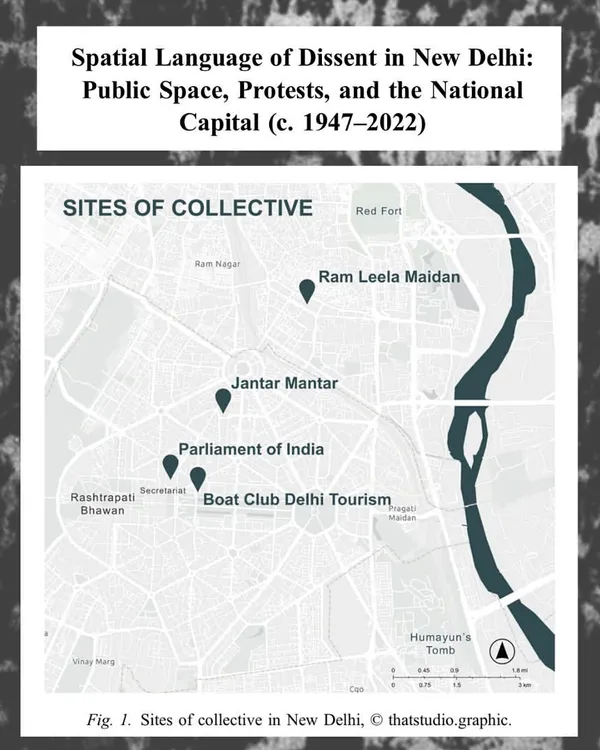
Urban Spaces and the Language of Dissent in Delhi
 27
27
Authentic Street Photography and Monument Moments in India
 17
17
Ancient Marvels: Heritage & Archaeological Site Photography

History & Culture Trails
 10
10
Delhi’s Soul: Cinematic Travel & Location Photography
More from Curated Books on Delhi's History by Delhi Walks
More services by Delhi Walks