Mughal Chronicles & Busting Delhi's Biggest Myths
Think you know the Mughals? Let us go beyond the textbooks. From the brilliant mind behind Chandni Chowk to the truth about Taj Mahal legends, these are the stories that bring Delhi's history to life.
This Mughal princess built Chandni Chowk nearly 400 years ago. If you think Mughal women only lived in the shadows, the story of Jahanara Begum will change your mind.
Princess Jahanara, the jewel of the Mughal throne. As the eldest daughter of Shah Jahan, she was well-educated in arts, literature, and statecraft from a young age.
Jahanara wasn't just a princess; she owned a ship and traded independently. She envisioned Chandni Chowk as a vibrant trade hub with a beautiful canal-lined avenue.
Before the street food and lehengas, Chandni Chowk was completely different. Its architect, Jahanara Begum, had a grand vision that contrasts with the busy market of today.
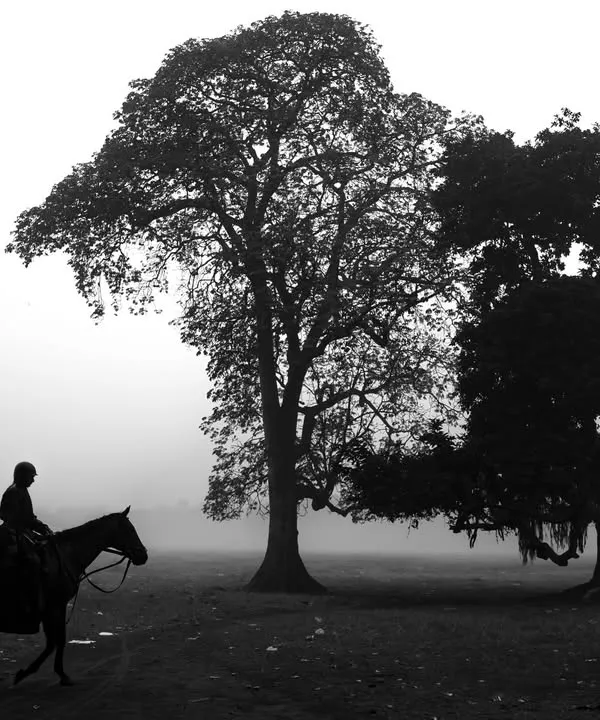
On some nights, moonlight reflected in the central pool, earning it the name 'Chandni Chowk' (Moonlight Square). This black and white image evokes that original atmosphere.
Jahanara once said, "I will build a sarai, large and fine like no other." That rest house was part of Chandni Chowk, where the Delhi Town Hall now stands.
Did Shah Jahan chop off the hands of the workers who built the Taj Mahal? This is one of history's most persistent myths, and I delve into the truth in my book.
The myth: The hands of the workers who built the Taj Mahal were chopped off. This is a story we all grew up hearing, but is it true?
It's a lie repeated so often it became a reality. Historian S. Irfan Habib confirms there is no credible evidence to back this claim.
The truth is that Shah Jahan placed a restriction on his workers, preventing them from working for any other emperor. It was like a contract, not a brutal punishment.
About Mughal Chronicles & Myth-Busting
When we explore Chandni Chowk or discuss the Taj Mahal, we are not just reciting dates. We are digging into the reasons behind the history. You will find that our approach focuses on the people, like Jahanara Begum who designed Old Delhi, or the reality of Mughal employment contracts that turned into tall tales. This is not a lecture; it is a conversation about the city we call home.
We spend our days untangling the truth from the hearsay. History in Delhi often gets buried under the weight of exaggerated legends, and our job is to dust it off. When you join our walks or dive into our book series, you are not getting the textbook version of events. You are getting the human side of the story.
Take the persistent myth about Shah Jahan chopping off the hands of the Taj Mahal workers. We tackle these stories head-on because they distract from the real, fascinating truth about Mughal administrative contracts and royal patronage. It turns out history is usually more complex and interesting than the dramatic rumors we grew up with.
Similarly, we highlight figures like Jahanara Begum. She was not just a royal daughter; she was a woman of trade, intellect, and architectural vision who gave us the plan for Chandni Chowk. Understanding these figures changes how you walk through the city today. It turns a crowded market street into a piece of a carefully planned urban legacy. If you prefer to carry these narratives with you, our book series brings these precise local histories into your home, perfect for those who want to see Delhi beyond the surface level.
Similar work from other experts
Browse through Curated picks from other experts on mytribe
 12
12
Documenting Historical Sites in Delhi & Beyond
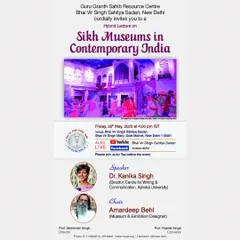
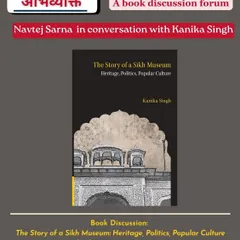
Academic History Lectures & Public Discussions
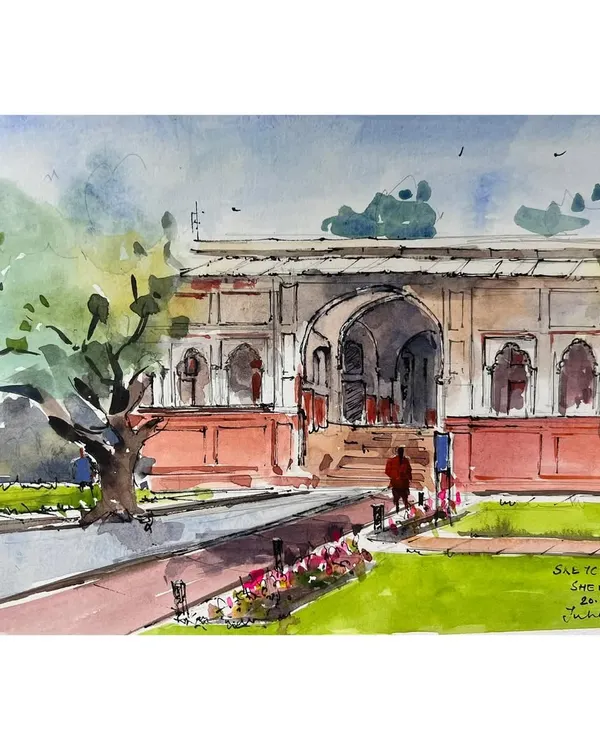 45
45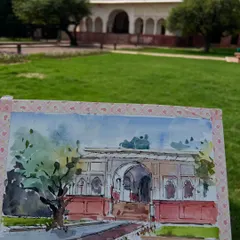
Delhi Urban Sketches and Architectural Art
 8
8

Delhi, My Muse: Candid Urban Photography
 13
13
Sacred and Heritage Trails Photography in India
 27
27
Authentic Street Photography and Monument Moments in India
More from Curated Books on Delhi's History by Delhi Walks
More services by Delhi Walks