How to Responsibly Help Street Animals in Bangalore
Not every street dog or kitten needs human intervention. Learn how to tell when an animal is truly in distress and when they are thriving in their own community.
When do you need to "rescue" an animal? Not every animal needs human intervention. It is important to know the difference between an animal in distress and one that is thriving in its community.
Keep an eye out for visible signs of distress like injuries, bleeding, unusual behavior, or difficulty functioning. If you see these signs, it's crucial to seek help immediately.
Don't do more harm than good. Often, young puppies or kittens you see alone are just exploring, with their mother watching from nearby. Removing them can be detrimental.
Not every animal needs rescuing. Healthy street dogs and community cats can live happily in their environment if cared for by compassionate locals. Our priority is the sick and injured.
Shelters cannot house every animal because space is limited. We must prioritize critically ill animals who cannot fend for themselves.
Not neutering doesn't just lead to unwanted puppies, but also painful tumors. This dog is being treated for a Transmissible Venereal Tumor (TVT), a preventable condition.
This community dog was brought to us with a large transvaginal tumor that developed because he was not neutered. Neutering is the only way to prevent the spread of TVTs.
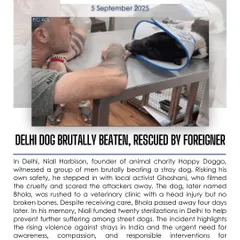
When will the violence against our streeties stop? We are dedicated to raising awareness about the rampant issue of animal cruelty in India.
Community dogs in India face unimaginable cruelty, often resulting in lifelong suffering or death. We must act collectively to create a more compassionate society.
New mothers, little puppies, and senior dogs are the most vulnerable. They are often harmed simply for existing. We advocate for stricter enforcement of animal welfare laws.
About Public Awareness & Education
It is hard to watch a street animal and not want to help immediately, but sometimes the best action is to observe. We see many healthy animals brought to our trauma centre that were actually just fine in their familiar territory. Before you move an animal, check for clear indicators like non-weight-bearing limbs, severe bleeding, or extreme lethargy. If they are eating, moving, and interacting with their local group, they likely do not need emergency transport.
Know When to Intervene
Every day we receive 50+ calls, many for animals that are perfectly healthy. Removing a dog or cat from its home turf can actually do more harm than good. They lose their territory, their local food sources, and the community humans they trust. Only initiate a rescue if you see life-threatening conditions such as:
- Obvious Trauma: Broken bones, bleeding, or inability to stand.
- Severe Illness: Unexplained lethargy, inability to eat for multiple days, or distemper symptoms.
- Immediate Danger: Situations like being trapped in a drain or being actively attacked by other animals.
The Mother and The Litter
If you find puppies or kittens alone, wait. Often, the mother is nearby scavenging for food or hiding. Snatching a litter before verifying they are abandoned can starve them and cause the mother immense distress. Observe from a distance for a few hours before assuming they are orphaned.
Addressing Cruelty and Disease
We frequently deal with cases like Transmissible Venereal Tumors (TVTs) in dogs. These are painful, contagious, and often the result of not neutering. If you notice a dog with raw, bleeding, or cauliflower-like growths in the genital area, do not ignore it. This requires surgical intervention, not just feeding. Reporting cruelty cases is also vital. If you witness physical abuse, mutilation, or illegal breeding, document it, gather evidence, and contact us for legal guidance. Being an ally means taking the right steps, not just the easiest ones.
Similar work from other experts
Browse through Curated picks from other experts on mytribe
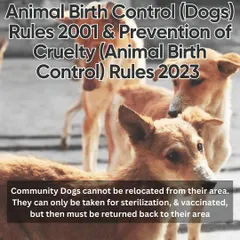
Advocacy and Education for Street Animals
 4
4


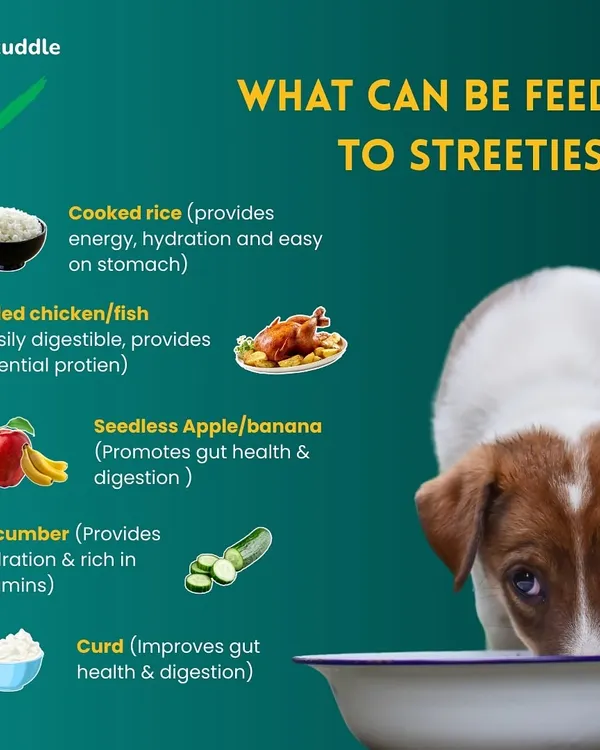
Caring for Community Dogs
Spay and Neuter: Why it Matters for Bangalore’s Street Cats
 23
23

Know Your Legal Rights & Fight Against Animal Cruelty
 19
19
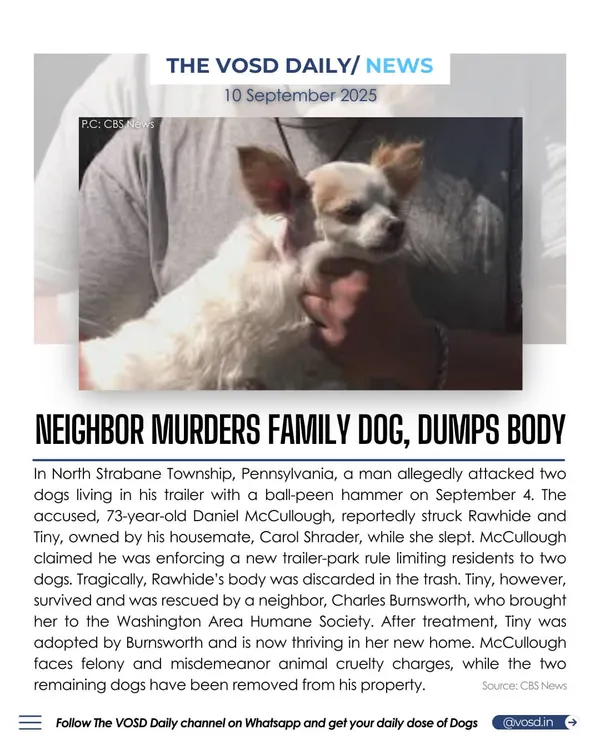
The Hard Truth: Exposing Cruelty & Apathy
Our Commitment to Animal Welfare and Rescue
More from Emergency Animal Rescue & Treatment by Cupa