Behind the Art of My Food Miniatures
Ever wonder how a tiny dosa or a speck-sized idli comes to life? Get a peek at my hand-sculpting process, from clay mixing to the final details that make each piece feel real.
From a single piece to a full collection, this video shows the process of creating and framing my miniature art.
Learn how to work with resin to create plates, cups, and cutlery for your miniatures in my online masterclass.
This video shows the process of making the base for my miniatures using resin moulds, a technique I teach in my advanced classes.
Watch me pack a custom order of banana leaf meal miniatures, each one a tiny piece of art.
A video showing the process of making a plate for my miniatures using resin moulds.
My online mould making masterclass teaches you how to create your own plates, cups, and thalis.
A look at how I use resin to create the trays for my McDonald's meal miniatures.
Packing up an order of Maggi magnets for a client.
Packing a special order of banana leaf meal miniatures, each one a cherished memory for a family.
My online mould making course teaches you how to create professional-quality moulds for your miniatures.
About Behind the Art: My Process
People often ask if I use factory molds, but I prefer hand-sculpting every piece using air-dry clay because it captures the slight imperfections of real food. Whether I am crafting a single banana leaf meal or a complex resin-effect gravy, the focus is always on creating textures—porous bread, crispy fried edges, and that specific oil glisten—that make you want to reach out and take a bite.
My process starts with the memory of the food itself. Before I pick up any tools, I think about the specific texture I need to recreate, whether it is the sponginess of an idli or the crunch of a vada.
The Crafting Steps
- Clay Selection & Sculpting: I use high-grade, lightweight air-dry clay. I do not rely on factory molds. Instead, I shape each component by hand to ensure no two pieces look mass-produced.
- Texturing: This is where the magic happens. I use needle tools and specialized brushes to add porosity to bread or mimic the grain of rice. It is about creating depth that catches the light.
- Liquid & Resin Effects: For dishes like sambar or chai, I use epoxy resin. Achieving the right translucency and color is a science of its own, requiring precise mixing ratios to get that authentic, liquid-like sheen.
- Finishing & Protection: Every piece is sealed with a UV-resistant matte or gloss varnish, ensuring the colors stay vibrant even if it is a fridge magnet meant for daily use.
Why Hand-Sculpting Matters
When you hold a piece, I want you to feel the effort. Whether it is a South Indian thali with 18 distinct items or a North Indian street food tray, the goal is hyper-realism. If you have ever wanted to learn these techniques, I have pre-recorded courses in Hindi and Tamil that walk you through these exact steps, from mixing clay to professional resin pouring.
Similar work from other experts
Browse through Curated picks from other experts on mytribe
A Peek Into How I Hand-Sculpt Your Memories
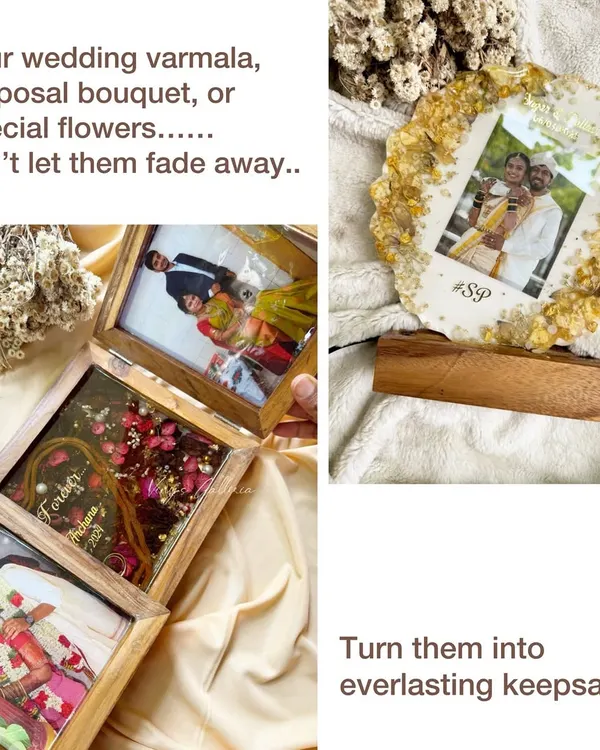
Behind the Scenes: My Resin Preservation Process
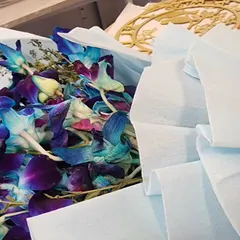
My Resin Art Creation Process
A Peek Into My Resin Art Process
 15
15

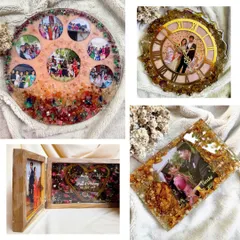
A peek inside my resin art studio
Behind the Scenes of My Miniature Creations
More from Food Miniature Gifts & Collectibles by Sudha Chandranarayanan
More services by Sudha Chandranarayanan