Crate and Muzzle Training for Safety
These aren't tools of restriction, but keys to your dog's safety and comfort. I teach your dog to see the crate as a den and the muzzle as a companion, turning potential stress into calm.
This indie dog is learning that the crate is a safe and comfortable place to be. Crate conditioning is a fundamental part of my training program for building a dog's independence and confidence.
People often say you can't teach an old dog new tricks, but that's a myth. This senior Golden Retriever is learning to be comfortable in his crate, proving that age is just a number when it comes to training.
Another myth busted. This 5-year-old dog is chilling comfortably in his crate after conditioning sessions. With patience and the right technique, any dog can learn to love their crate.
Crate conditioning a 4-year-old German Shepherd. It's a slow process, especially with adult dogs, and should never be rushed. We are using positive reinforcement to build a good association with the crate.
This is a simple exercise to build a positive association with the crate. The dog is rewarded for going into the crate willingly. This is a foundational step in our crate training protocol.
The owner is practicing crate exercises with his dog at home. My methods are customized to the dog and the home environment to ensure the training is effective and sustainable for the pet parent.
Crate training is a journey, not a race. This video shows a session in progress. We are taking it one day at a time, building trust and ensuring the dog sees the crate as its personal safe space.
This video lists some of the many benefits of crate training. It helps reduce anxiety, gives the dog a sense of comfort, and prevents unwanted behaviors when you can't supervise them.
Here, we are using the crate as a safe boundary while the house is being cleaned. This prevents the dog from getting underfoot or becoming anxious, showing the practical, everyday benefits of crate conditioning.
Muzzle conditioning is an important safety skill. I teach the dog to voluntarily put their nose into the muzzle for a reward. This turns a potentially scary object into a positive one, making vet visits and other situations much safer.
About Crate & Muzzle Training for Safety
Stop thinking of the crate as a cage. If you force a dog inside, they will panic. My process is about voluntary entry. I teach them to enter because they want to, not because they have to. This changes everything for vet visits and travel, removing the panic they feel when things get tough.
Many pet parents view crates as punishment. That is the first myth we need to break. When done right, a crate is a den—a safe space where your dog can switch off and relax. If your dog has separation anxiety or gets stressed when you have guests over, the crate is the solution, not the problem.
Why Muzzle Training Matters
People often see a muzzle and think 'aggressive dog.' I see a muzzle and think 'safety tool.' Whether you are taking your dog to the vet, dealing with a reactive dog on walks, or preparing for an emergency, a muzzle is a life-saving skill. I teach muzzle conditioning, which means your dog learns to voluntarily put their nose in the muzzle for a reward. They don't fight it because they don't fear it.
My Approach to Conditioning
We take this slow. If you rush, the dog builds a negative association, and we have to start from scratch.
- Step-by-step guidance: We use high-value rewards to create a positive link to the equipment.
- Owner-led training: I show you the mechanics—how to hold the leash, how to reward timing, and how to stay calm so your dog stays calm.
- Real-world proofing: We practice inside the house to build a foundation, then move to higher distraction environments like your local park or during vet visits.
This isn't about control; it's about giving your dog the skills to handle the world. If you live in Gurgaon or Delhi NCR, I can come to your home to show you exactly how to implement these protocols. Let's make safety second nature for your dog. Theek hai?
Similar work from other experts
Browse through Curated picks from other experts on mytribe
Crate & Muzzle Training for Dogs
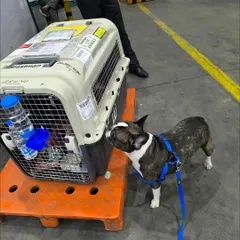
Crate Training for Stress-Free Pet Travel
Building Confidence and Independence: Expert Training for Anxious Dogs

Dog Training at Home in Delhi NCR
Dog Training Methods That Build Real Trust
 9
9


Understanding and Managing Your Dog's Anxiety
More from Dog Behavior Modification by Carter's Dog Training
More services by Carter's Dog Training