The Owner-Dog Partnership: You Are the Trainer
Training your dog isn't just about teaching tricks; it's about learning the language they speak. If you don't know how to handle your dog, even the best training won't last. Here, I fix that.
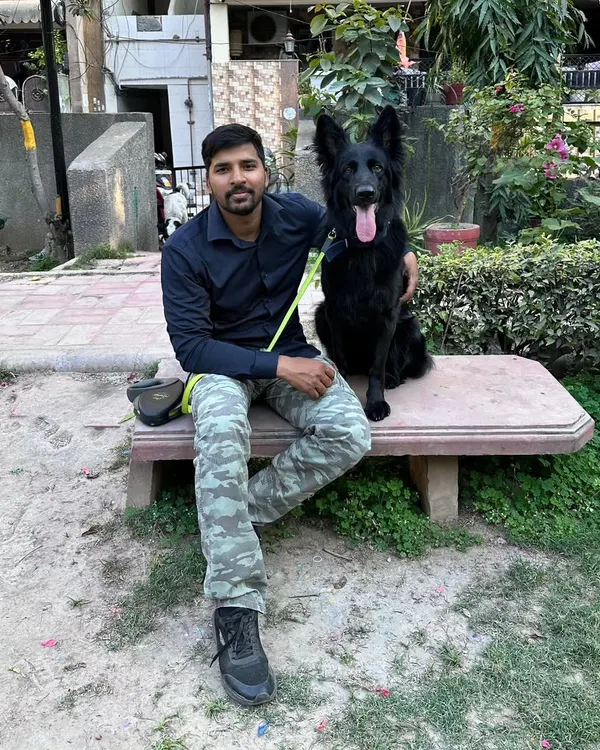
Once a dog is trained, it is crucial to teach the parent the correct handling methods. Otherwise, you will never succeed in rectifying behavior problems. Here, an owner is practicing a structured walk with his dog.
I am teaching an owner the basics of leash handling using tap and pressure techniques. This is not about force; it's a way to communicate, to get your dog's attention and ask them to focus on you, even with distractions.
An outdoor obedience practice session with a dog parent. The owner is learning how to maintain his dog's focus and obedience outside the home, which strengthens their bond and leadership.
Focus is the foundation of all training. Here, I am teaching an owner a simple exercise to make eye contact with her dog outdoors. This helps the dog rely on you for guidance in difficult situations.
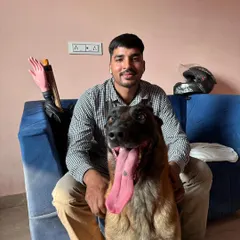
This is Part 2 of Raju's owner handling session at my facility. We are now working on more advanced handling, teaching the owners how to guide the dog with subtle body language and leash cues.
Part 1 of an owner handling session for a Board and Train student. I am explaining the importance of a loose leash and a calm posture. A tight leash creates tension, while a relaxed approach builds a balanced relationship.
About The Owner-Dog Partnership: You Are the Trainer
Dekhiye, most owners think a tight leash equals control, but it actually just creates tension for the dog. When we practice together, I show you how to use a loose leash and subtle body posture to communicate. You will learn to guide your dog with a gentle tap or pressure, not force. If you don't learn how to handle the leash properly, your dog will stay confused, no matter how many commands they know.
Why The 'Human Factor' Matters
Many clients come to me after failed training attempts. The problem isn't usually the dog; it’s that the owner wasn't taught how to maintain the routine. My philosophy is simple: I don't just train your dog, I train you. If you don't understand the psychology behind why your dog pulls, jumps, or reacts, you will never be able to correct the behavior at home.
What You Will Learn
During our sessions, we strip away the drama and focus on the basics of communication:
- Leash Mechanics: We stop using the leash to drag or hold back. You will learn to use it as a communication tool to get your dog's attention.
- Body Posture: Your dog reads your body language before they hear your voice. I teach you how to stand, breathe, and move to project calm authority.
- Cue Timing: Whether it's a sit, stay, or a simple 'no', timing is everything. You will learn when to mark the behavior and when to step back.
- Real-World Application: We don't just stay in your living room. I take you out to parks and streets to practice when there are actual distractions like traffic, other dogs, and strangers.
The 'Board and Train' Integration
Even for my intensive Board and Train programs at my Gurgaon facility, the process is incomplete without owner handling. Before you take your dog home, we do mandatory handover sessions. This is where I teach you the 'new language' we've built. We make sure you know exactly how to handle the leash, the tools, and the rules so that the transition back to your home is smooth and long-lasting.
Training is a partnership. My job is to show you the 'kyun' (why) behind every behavior. Once you understand that, the 'how' becomes much easier. Theek hai?
Similar work from other experts
Browse through Curated picks from other experts on mytribe
Owner Empowerment: Learn to Handle Your Dog Like a Pro
My Training Philosophy: No Shortcuts
Force-Free Dog Training: Partnership Over Performance
My Dog Training Philosophy
My Training Philosophy: Building a Lasting Bond
 19
19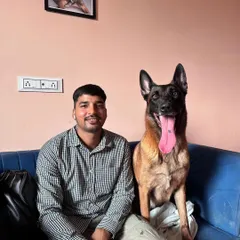
Meet Your Dog’s New Trainer
More from Dog Behavior Modification by Carter's Dog Training
More services by Carter's Dog Training