Socialization Training: Building Confidence for Your Dog
Socialization isn't about letting dogs run wild; it's about teaching them how to be calm and neutral. I work on communication skills so your dog can handle the real world without anxiety or aggression.
This is our sand playground, one of two play areas at the facility. Here, dogs of different breeds and temperaments learn to socialize and coexist peacefully under my supervision. A well-socialized dog is a confident and balanced dog.
Socialization is a two-way street. Rough play is allowed only when both dogs are enjoying it and the communication is healthy. Here you can see a Belgian Malinois and an indie dog learning to play and read each other's cues.
This is a great example of obedience during high-distraction socialization. One dog is holding its position calmly while another dog is playing and running around nearby. This teaches focus and neutrality.
On-leash manners are a critical part of socialization. Here, dogs are learning to walk past each other calmly without reacting. This controlled exercise builds a foundation for successful off-leash interactions later.
For dogs with reactivity issues, socialization starts with safe, controlled exposure. Here, we are working on dog reactivity through a fence, which allows the dog to observe and process the presence of another dog without feeling threatened.
It's important that dogs in my program learn to be comfortable and obedient with different people, not just me. Here, one of our kennel boys is running a simple obedience drill, helping the dog generalize its training to strangers.
About Socialization: Building Confidence with Dogs & People
Most owners think socialization means letting their dog play with every dog they see at the park. That is often where the problems start. My approach focuses on 'neutrality'—teaching your dog that the presence of other dogs or strangers doesn't require a reaction. Whether your dog is pulling on the leash, snapping, or just too excited to listen, we work on controlled exposure in my Gurgaon facility to replace that impulse with calm focus.
Why 'Socialization' is Often Misunderstood
Many people bring me their dogs because they are 'anti-social,' but usually, the dog is just overstimulated. When a dog doesn't know how to act, they default to barking, jumping, or aggression. My job is to act as a buffer. We teach your dog to observe, process, and eventually ignore distractions.
The Process: From Chaos to Calm
We don't just throw dogs into a group. That’s a recipe for disaster. We start with:
- Decompression: Giving the dog space to settle into the facility.
- Neutrality Training: Using helper dogs who are already balanced. We teach your dog to exist near another dog without needing to interact.
- Leash Manners: Socialization on a leash is the biggest challenge for most owners. We practice walking past other dogs and people so you can actually take your dog for a walk in Gurgaon without stress.
- Generalization: We bring in strangers and run obedience drills so your dog learns to listen to you, regardless of who is walking by.
The Owner's Role
If you don't know how to handle your dog during a public encounter, the training will fail. During my programs, you will have to step in. I teach you how to read your dog’s body language—the stiffening, the focus, the tail position—before they react. We work together until you feel confident enough to handle these interactions on your own. It is a process, but with consistency, it works.
Similar work from other experts
Browse through Curated picks from other experts on mytribe
Dog Socialization and Group Dynamics
Social Skills for Dogs: Force-Free Training in Gurgaon
Safe and Supervised Dog Socialization in Delhi NCR
 7
7
Dog Training and Socialization Gallery
Socialization: Building Worldly Pups
 5
5
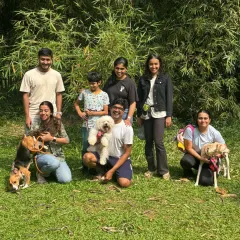
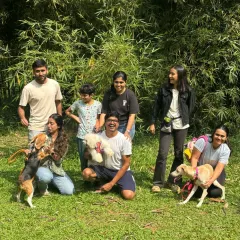
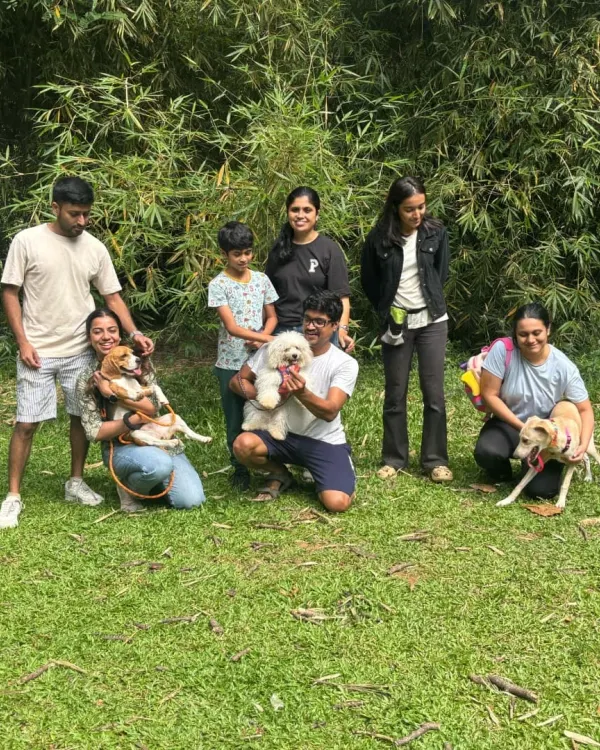
Group Dog Socialization in Cubbon Park
More from Board & Train Program by Carter's Dog Training
More services by Carter's Dog Training