Social Skills for Dogs: Force-Free Training in Gurgaon
Socialization is not about chaotic dog park play. I help your dog learn how to greet others politely, read social boundaries, and stay calm—without the pressure of forced interactions.
To help our dogs feel safe and relaxed in public spaces like cafes, we as humans need to help each other out. The next time you see a dog with their parent, try ignoring them. This teaches the dog that not every person is an invitation to interact, reducing their excitement and anxiety.
On-leash greetings are often stressful for dogs because their movement is restricted. I teach safer ways to socialize, such as parallel walks, using long leashes to allow for natural body language, and most importantly, teaching your dog that it's okay to ignore other dogs.
This is what socialization is not about. A chaotic free-for-all can be overwhelming and create negative experiences. True socialization is about creating positive, controlled exposures to new things so your dog builds confidence, not fear.
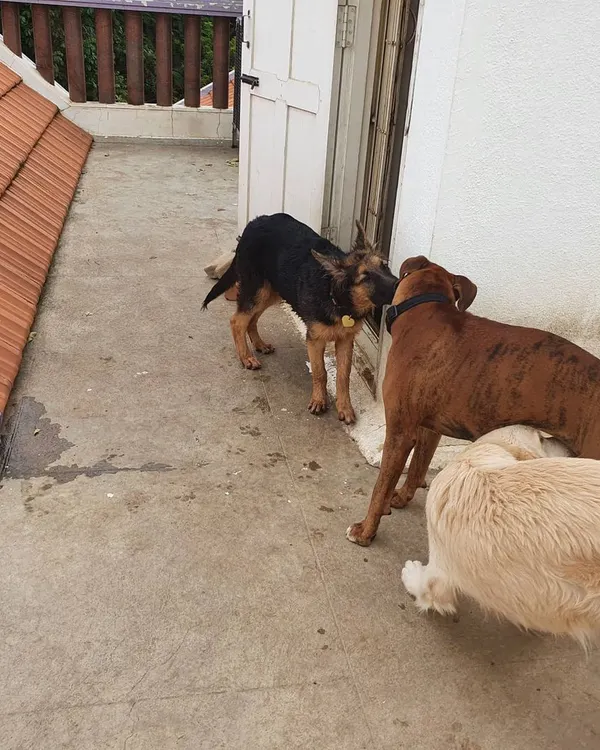
Here are a few tips for introducing your dog to a new dog for the first time. We start with a parallel walk in a neutral space, allowing them to get used to each other's presence from a safe distance before allowing any direct interaction.
If you're introducing a new dog to your pack, this is a great way to do it. After a brief sniff, we walk them parallel to each other. This allows them to get comfortable in a neutral space before moving to face-to-face interactions, reducing tension and setting them up for success.
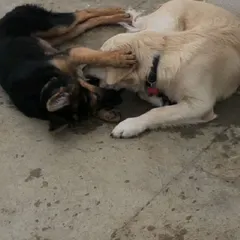
If you take your dog to a dog park, you need to see this. What looks like play is actually bullying. The dog in the red harness is repeatedly ignoring the other dog's signals to stop. This kind of interaction can be traumatizing and lead to reactivity issues.
It's okay for dogs living in the same house to not get along all the time. Just like us, they need their own space. Managing a multi-dog household involves understanding each dog's triggers and preferences, and setting up the environment to avoid conflict, especially around food and toys.
About Social Skills for Dogs
Socialization is often misunderstood as throwing your dog into a crowd and hoping for the best. It is actually about teaching them that they have a choice: to interact or to walk away. When we focus on parallel walks and respectful body language rather than forced face-to-face greetings, we stop reactivity before it starts. This approach turns stressful, chaotic outings into calm and manageable experiences for both you and your dog.
Beyond the Dog Park
Many of us believe that for a dog to be 'well-socialized,' they must be friendly with every dog they meet. In reality, that is a recipe for stress. Just like us, dogs have preferences. My work involves teaching you how to read your dog’s subtle signals—the lip lick, the head turn, or the stiff posture—that tell you when they are uncomfortable. We move away from the 'everyone is a friend' mentality and toward creating a dog that is neutral and calm in the presence of others.
The Art of the Parallel Walk
One of the most effective tools I use is the parallel walk. Instead of forcing a head-on greeting, which can be confrontational and restrictive on a leash, we walk dogs in the same direction with enough distance to keep them under threshold. This allows them to gather information about each other—sniffing the air, observing body language—without the tension of a direct face-to-face meeting. It builds confidence and focus on the handler.
Consent and Boundaries
Socialization is about consent. If your dog does not want to interact, we respect that. We teach them that they don't have to engage, and we teach humans to stop approaching dogs without asking. By setting these boundaries, you become your dog's advocate. Whether you are dealing with a puppy learning the ropes or an adult dog that has become reactive, we identify the root cause of their behavior, be it fear, excitement, or lack of social exposure, and work through it with positive reinforcement.
Similar work from other experts
Browse through Curated picks from other experts on mytribe
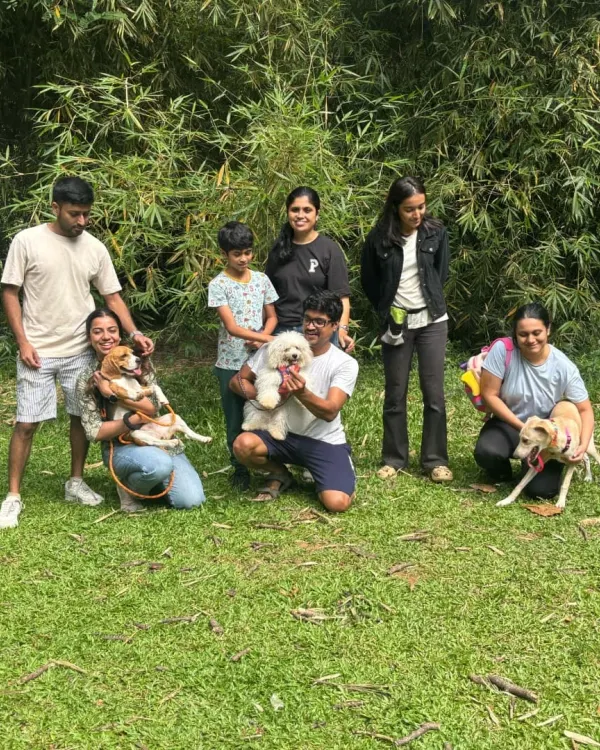
Dog Socialization and Group Dynamics
 5
5
Group Dog Socialization in Cubbon Park
Safe and Supervised Dog Socialization in Delhi NCR
Calmer Walks and Dog Socialization in Bangalore
 7
7
Dog Training and Socialization Gallery
 38
38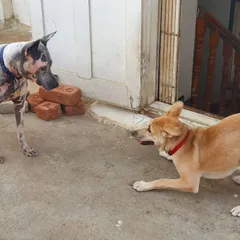
Natural Dog Socialization: Learning in a Pack
More from Dog Behavior Modification & Training by Aishani Mathur
More services by Aishani Mathur