From Seed to Cup: The Science of Coffee
Coffee is more than just a morning caffeine fix. Before it hits your mug, every bean goes through a complex journey of farming, processing, and roasting. Let us break down the science behind the flavour so you can actually understand what you are drinking.
This graphic illustrates how everything matters when it comes to flavor. The coffee species, processing method, and roast degree all play a crucial role in what you taste in the cup.
An explanation of optimal drying methods for coffee beans. Drying and storage are crucial steps to regulate moisture and prevent mold, preserving the bean's flavor.
A visual of coffee beans drying on raised beds. This method allows for even air circulation, which is key for consistent drying and quality.
A collage showing selective picking and sorting of coffee cherries. This ensures that only the ripest, highest-quality beans make it to the next stage.
An infographic explaining why flotation and hand-sorting are key to consistent flavor. These methods remove defects and ensure uniformity.
An illustration explaining the concept of "terroir" in coffee. Factors like altitude, soil, climate, and shade all contribute to a coffee's unique flavor profile.
A text-based explanation of terroir, comparing it to the same concept in wine. It's what makes each coffee origin unique.
A look at the genetic diversity of Arabica coffee varieties. From Bourbon to Gesha, each variety has its own story and flavor profile.
An infographic on exploring the unique profiles of Arabica varieties. We discuss how genetics influence flavor, yield, and resilience.
Green coffee beans being sorted in a paper tray. This is part of the "bean to brew" journey we teach, starting with understanding the raw material.
About From Seed to Cup: The Coffee Journey
Most people focus entirely on the brewing method, but 80% of what you taste in your cup is determined long before you ever touch a kettle. In our sessions, we pull apart raw green beans and analyze them—we check for defects, discuss the specific impact of altitude on acidity, and learn exactly why a 'Natural' process tastes vastly different from a 'Washed' one. This is not theory; it is raw material analysis that changes how you buy beans.
Understand the Bean, Improve the Brew
If you want to move beyond generic 'coffee' and start appreciating nuance, you need to understand the material. Our workshops break down the supply chain into three key pillars:
1. Terroir and Origin We move past broad regions like 'India' or 'Africa' and look at the specifics. We teach you how altitude, soil composition, and shade cover directly influence the density of the bean. You will learn to recognize why beans from high-altitude estates require different grind settings than commercial grade coffee.
2. Processing Methods This is where most of the confusion lies. We analyze how different processing methods—Washed, Natural, Honey, and Carbonic Maceration—alter the flavor profile. You will see how these methods change the sugar content and fruitiness, giving you the ability to pick the right coffee for your palate rather than relying on marketing labels.
3. The Roast Profile We do not just talk about 'dark' or 'light' roasts. We examine how heat application affects the chemical structure of the bean. You will learn what happens during the first crack and why roast degree is the final gatekeeper of the flavour notes you detect in your cup.
Whether you are a home enthusiast or a professional, this foundational knowledge is the difference between guessing your brew parameters and actually dialing them in with confidence. We avoid industry jargon and stick to practical observations you can test yourself at home.
Similar work from other experts
Browse through Curated picks from other experts on mytribe
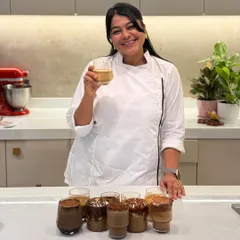
Cafe-Style Coffee Workshops
Sensory Workshops: Perfumery and Culinary Experiences
Chocolate Making Workshops
Behind the Scenes: How We Handcraft Your Candles
 4
4


Specialty Coffee & Beverage Kiosks


Watercolor and Coffee Painting Workshops
More from Coffee Brewing & Appreciation Workshops by Barista Training Academy
More services by Barista Training Academy