Managing PCOS with Science-Backed Nutrition
Stop chasing fad diets and miracle teas. We use blood work analysis and simple, home-cooked food to balance your hormones and manage PCOS symptoms.
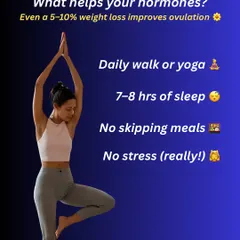
High testosterone is a key driver of PCOS symptoms. This infographic shows practical ways to lower it naturally through diet, exercise like weight training and yoga, and stress management.
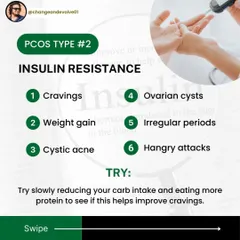
Do you feel shaky, dizzy, or "hangry"? These are signs of low blood sugar, a common issue with PCOS. I teach you to eat balanced meals to keep your blood sugar stable throughout the day.
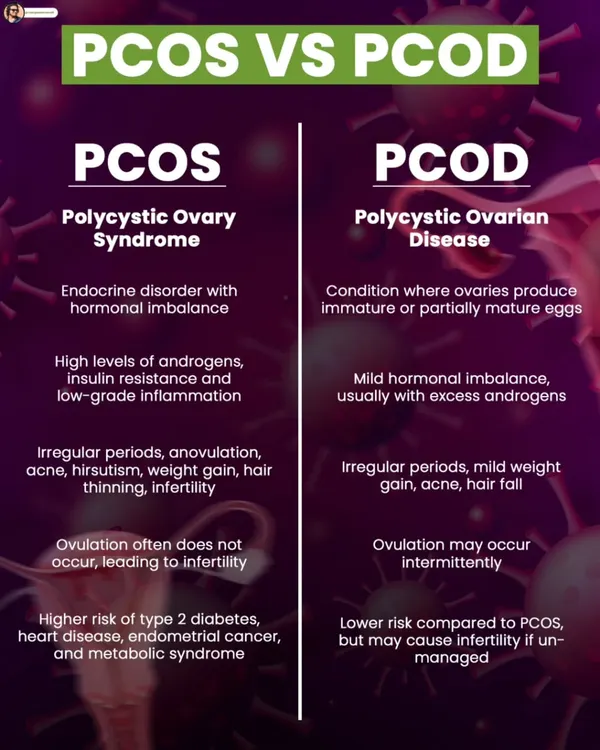
If you have PCOD or PCOS and are struggling to lose weight, this guide is for you. I explain the common mistakes and how to fix them.
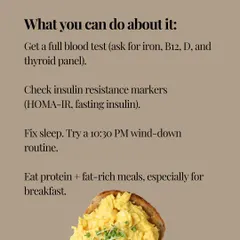
Mistake number one for PCOS weight loss is skipping breakfast. Skipping meals can worsen your symptoms and make weight gain more likely.
A proper PCOS workout combines HIIT, low impact exercises, and strength training. I help you build an exercise plan that delivers results without worsening symptoms.
While cardio is good, doing too much can worsen PCOS symptoms. I recommend no more than 30 minutes a day of activities like brisk walking, jogging, or cycling.
Managing PCOS can be easier with simple food swaps. I will show you how to make healthier choices without sacrificing flavor.
Here are seven easy food swaps for PCOS. For example, choose water with lemon over soda, and oats idli instead of vada pav to reduce inflammation and manage insulin.
Making dietary changes is the first and most important step in managing PCOS and PCOD. My plans are designed to make this process simple and sustainable.
Consistent meal timings are crucial for PCOS. Not skipping meals helps maintain blood sugar levels and manage insulin resistance, which is linked to Type 2 diabetes.
About Managing PCOS with Nutrition
We don't do cookie-cutter plans because your PCOS symptoms are not the same as everyone else's. My approach starts by analyzing your specific blood reports and daily schedule, then using familiar Indian ingredients like lentils, eggs, and seasonal vegetables to stabilize your insulin levels.
Beyond the Fad Diets
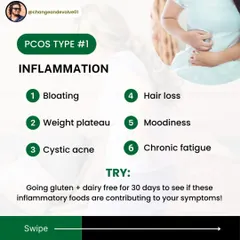
Most PCOS advice online is designed to sell you supplements, not fix the root cause. If you are struggling with insulin resistance, irregular periods, or weight gain, the solution is not a restrictive, unmaintainable diet. It is about understanding your body's specific hormonal needs.
How We Work
My 30-day clinical nutrition plan is designed to be a lifestyle reset, not a temporary fix.
- Clinical Analysis: We start with your blood reports—Thyroid, Insulin, Lipids—to build a protocol that actually targets your metabolic health.
- Home-Cooked Consistency: No fancy imported ingredients or expensive powders. We focus on balancing your macros (protein, fiber, and healthy fats) using the food already in your kitchen.
- Insulin Management: We fix meal timings to keep your blood sugar stable, preventing those late-day energy crashes and cravings.
Accountability That Actually Helps
Knowing what to eat is one thing, but doing it consistently is where most people struggle. That is why our program includes weekly check-ins and priority chat support to answer your questions in real-time. You also get access to our community group, a space where you can share wins, vent about setbacks, and learn from others who are navigating the same challenges.
We focus on sustainable change. Whether you are aiming to reduce androgen levels or manage blood sugar, we build a roadmap that fits your life, not the other way around.
Similar work from other experts
Browse through Curated picks from other experts on mytribe
PCOS & Hormonal Harmony Nutrition Plans
 23
23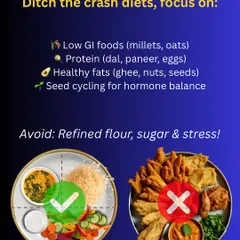

PCOS & Hormonal Balance Diet Plan
 64
64
Natural PCOS and Hormone Management
PCOD and Thyroid Management Through Diet

Hormone Balancing with Real Indian Food
 4
4
Balancing Hormones Naturally: Personalized Nutrition Plans
More from Clinical & Wellness Nutrition by Art of Wellness
More services by Art of Wellness