Diet and Supplements for Hair Health: A Dermatologist's Guide
What you consume directly influences your hair density and scalp health. From choosing the correct form of Vitamin E to selecting protein sources that support your hormonal balance, I help you decode the science behind your diet for actual results.
The common green Vitamin E capsule is a synthetic product with low potency. For real benefits, you need natural Vitamin E, specifically the newer tocotrienol form. It has superior antioxidant properties that hydrate hair, reduce inflammation, and support hair growth. I can guide you on the correct form and dosage for your specific needs.
For females with hormonal conditions like PCOS or anyone with autoimmune issues, whey protein should be avoided. It can spike insulin-like growth factor and worsen symptoms like hair thinning. I recommend plant-based proteins like pea protein, which digests slowly, supports insulin sensitivity, and helps build muscle mass without hormonal disruption.
About The Role of Diet and Supplements
Most people blindly follow trends and take synthetic Vitamin E supplements without realizing they are poorly absorbed. I guide you toward tocotrienol-based options that actually reduce inflammation at the follicle level, because knowing the specific molecular form to take is just as critical as the supplement itself.
Nutrition is the foundation of scalp health. When patients visit my clinic in Gurgaon, they often bring a cabinet full of supplements, yet they see no progress because the bioavailability is low or the dosage is incorrect. Here is how we change that.
The Vitamin E Distinction
The standard green Vitamin E capsules found in many homes are synthetic and often have limited potency. I prioritize natural tocotrienol-based Vitamin E for my patients. It possesses superior antioxidant and anti-inflammatory properties, protecting the hair follicle from free radical damage. This is essential for patients dealing with chronic shedding or inflammatory dry skin conditions.
Protein and Hormonal Balance
Your diet impacts your hormones directly. For female patients with PCOS or those experiencing androgenetic hair thinning, I often advise against whey protein. It can spike insulin-like growth factor in the blood, which may exacerbate hair loss and hormonal acne. Instead, I recommend plant-based proteins like pea protein. These digest slowly, keeping blood glucose stable and insulin sensitivity in check, which is vital for managing hormonal hair loss.
Your Personal Roadmap
Dietary changes are not one-size-fits-all. During our consultation, we create a specific roadmap based on your digital trichoscopy results, hormone profile, and lifestyle. We adjust your intake based on the local climate and specific conditions like thyroid issues or iron deficiency, ensuring you receive the nutrients that your body actually requires for hair regeneration. There are no shortcuts, but with the right clinical guidance, we can identify the gaps in your nutrition and bridge them effectively.
Similar work from other experts
Browse through Curated picks from other experts on mytribe
Nutrition: Fueling Your Hair from Within
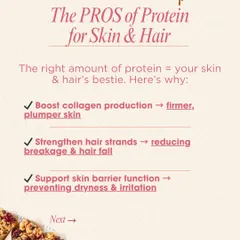
Nourish From Within: Diet & Lifestyle for Strong Hair
 6
6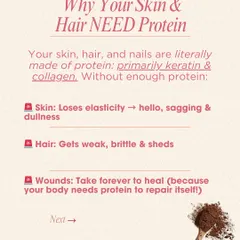
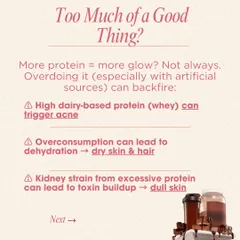
Nutrition for Hair Health
 12
12
Eat Your Way to Stronger Hair
Understanding the Science of Scalp & Hair Health
Hair Care Questions Answered: Science-Backed Truths
More from Hair Loss Treatment by Anwesha Poddar