Nourish From Within: Diet & Lifestyle for Strong Hair
Healthy hair starts with your lifestyle, not just your shampoo. I help you look beyond the surface to identify the actual root cause of your hair concerns.
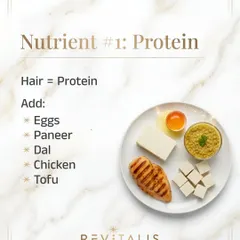
Superfoods are essential for super hair. I always advise my patients to fuel their follicles with a protein-rich diet including eggs and dal, iron from spinach, and Omega-3s from walnuts and flaxseeds. Proper nutrition and hydration are the building blocks of strong, healthy hair.
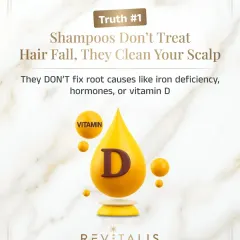
Vitamin and mineral deficiencies are a common cause of hair issues. Hair shedding can be linked to low iron, while dandruff can be related to a zinc deficiency. A proper diagnosis can help identify which supplements, like Biotin, Vitamin D, or Iron, will be most beneficial for you.
Are you taking whey protein? While popular for fitness, it can have a testosterone-like action that increases sebum production, leading to acne and even hair loss in some individuals. If you are experiencing these issues, consider switching to a plant-based protein.
Many people don't realize that frequent heat styling is one of the fastest ways to damage hair, especially in winter when hair is already prone to dryness. To combat breakage and frizz from styling tools, I recommend restorative treatments like our Imperial Sheen service to bring back moisture and shine.
Here is a simple winter hair hack: switch to a silk pillowcase. The smooth surface reduces friction, which prevents breakage and split ends. Unlike cotton, silk does not absorb moisture, helping your hair retain its natural oils and stay hydrated overnight.
After a hair transplant, proper aftercare is essential to protect your investment and boost results. Simple lifestyle habits like staying hydrated, eating a balanced diet, getting enough sleep, and avoiding smoking can significantly improve the outcome of your procedure.
About Nourish From Within: Diet & Lifestyle for Strong Hair
Often, the solution to hair thinning isn't more products, but identifying hidden internal triggers. For instance, high whey protein intake can trigger excess sebum, while simple iron or Vitamin D deficiencies frequently mimic signs of severe hair loss. I look at your blood, lifestyle, and nutrition before suggesting any treatment, because I need to find your specific 'why' first.
My Approach: The BALMING Method
I do not believe in guessing. When you come in for a consultation, we don't just talk about hair fall shampoos. We dive deep into your health profile using my BALMING framework: Blood, Age, Lifestyle, Medicines, Nutrition, and Genetics.
Common Pitfalls I See Daily
- The Protein Trap: Many fitness enthusiasts come to me with sudden acne or hair thinning. Often, the culprit is excessive whey protein, which can spike sebum production and clog follicles. A simple switch to plant-based alternatives often resolves the issue.
- Deficiency Loops: Hair shedding is often a symptom, not a condition. If your Vitamin D, B7 (Biotin), or Iron levels are low, topical treatments will only give you temporary results. We must fix the deficiency to see sustained growth.
- Winter & Styling Damage: If you are using heat stylers daily during winter, you are essentially cooking your hair strands. I advise on protective habits—like silk pillowcases or avoiding heat—to minimize breakage while we treat the root cause.
What Happens Next?
Diagnosis is the first step. During your visit at my GK-II clinic, we perform a digital trichoscopy to view your scalp and hair density on screen. This allows us to see if we are dealing with female pattern hair loss, stress-induced shedding, or scalp health issues like dandruff. Once we have the data, we create a roadmap. Whether you need a simple nutritional plan, scalp detox, or advanced therapies like PRP or Exosomes, the goal is always long-term health, not a quick fix.
Similar work from other experts
Browse through Curated picks from other experts on mytribe
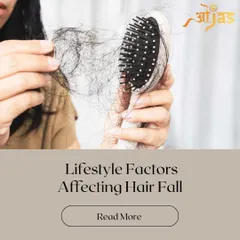

Fix Your Hair Health with a Holistic Lifestyle Approach
Daily Hair Care and Nutrition: Science-Backed Advice
Understanding the Science of Scalp & Hair Health
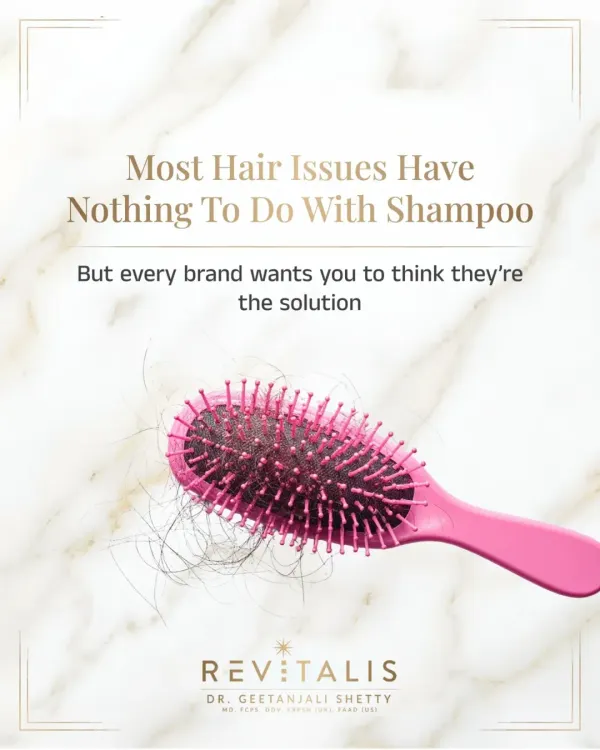 12
12
Eat Your Way to Stronger Hair
Nutrition: Fueling Your Hair from Within
 12
12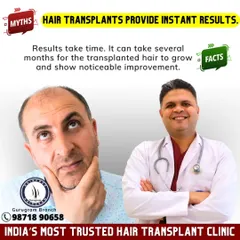
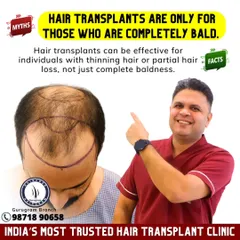
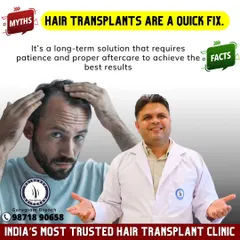
Hair Health: Busting Myths and Practical Lifestyle Tips
More from Hair Restoration by Klarity Skin Clinic
More services by Klarity Skin Clinic