Understanding Supreme Court Procedures
The Supreme Court process can feel daunting, but knowing your options changes everything. I break down legal procedures like SLPs and Curative Petitions in simple terms to help you stay informed.
Understanding how to approach the Supreme Court is critical. In this video, I explain the Special Leave Petition (SLP) under Article 136, a powerful tool that allows us to bring important cases, including environmental matters, directly to the nation's highest court.
What happens if your appeal or SLP is rejected by the Supreme Court? You may still have the option to file a Review Petition. I break down what a Review Petition is, the limited grounds for filing one, and how it works under Article 137 of the Constitution.
A Curative Petition is the final legal remedy available in the Supreme Court after a Review Petition is dismissed. In this video, I explain this unique judicial tool, its origins, and the exceptional circumstances required to file one, which is essential knowledge for any long-fought legal battle.
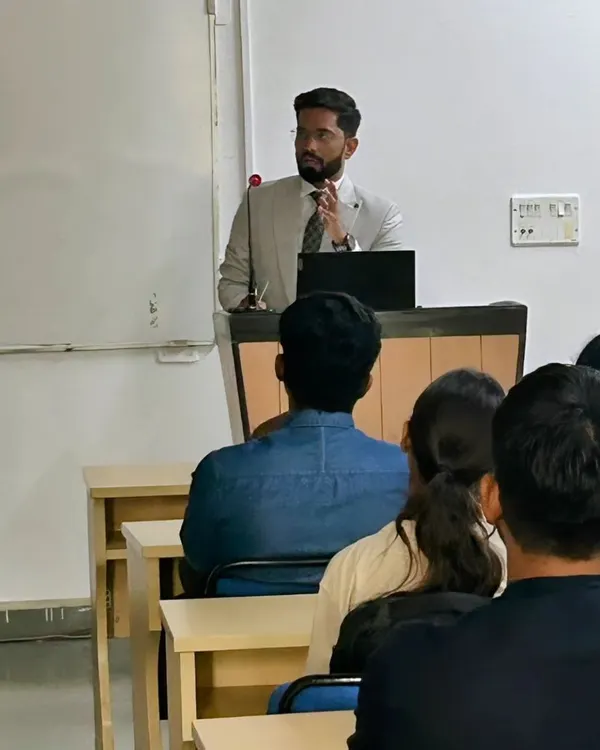
Our Managing Partner, Anshul Gupta, featured as a speaker in a BW Legal World webinar. We regularly participate in such discussions to share our expertise on topics like case preparation and court procedures.
About Understanding Supreme Court Procedures
Many people freeze when an appeal gets rejected, fearing it is the end of the road. However, the legal system has specific mechanisms, like Review or Curative Petitions, designed to correct genuine injustices. Understanding these doesn't just lower your anxiety, it helps you ask the right questions before you commit to a long-drawn legal battle.
Navigating the Supreme Court
Legal processes at the highest court in the country are often shrouded in jargon. My goal here is to demystify what happens after a judgment, so you know exactly where you stand.
Key Procedures We Demystify:
-
Special Leave Petition (SLP): This is your bridge to the Supreme Court under Article 136. It is not an automatic right but a matter of judicial discretion. We analyze whether your case involves a substantial question of law or a miscarriage of justice, which are the benchmarks the court looks for.
-
Review Petition: If your appeal is rejected, Article 137 gives you a narrow window to ask the same court to reconsider. The scope is limited to glaring errors or the discovery of new evidence.
-
Curative Petition: This is often the final legal remedy. Originating from the Rupa Hurra vs. Ashok Hurra case, this is used only in exceptional circumstances where there has been a gross miscarriage of justice. It is not a standard appeal, and we treat it with the extreme caution it requires.
Why Procedure Matters
Being an Advocate-on-Record (AOR) means I know the specific filing requirements, the registry scrutiny process, and the strict timelines for these petitions. Whether it is filing within the 90-day SLP limit or preparing paper books for an NGT hearing, details determine whether your case gets heard or gets rejected at the registry level. If you are worried about the validity of a past order or are looking to approach the Supreme Court, start by understanding which of these remedies applies to your situation.
Similar work from other experts
Browse through Curated picks from other experts on mytribe
Demystifying Legal Procedures for Clearer Justice
 6
6
Simplifying Legal Rights & Courtroom Advocacy
 16
16

Understanding Indian Legal Procedures & Concepts
Know Your Rights: Essential Legal Explainers
Understanding Your Constitutional and Civil Rights
Decoding Indian Law & Current Affairs
More from Environmental Law by ANG Partners
More services by ANG Partners