Handling High-Conflict Relationship Dynamics
Doston, legal disputes often start much earlier—in how a relationship is managed. If you feel like you are walking on eggshells with a partner who never admits fault, you need to understand the dynamics at play. Here is how to spot signs, set boundaries, and protect your mental peace before things escalate into court battles.
Recognizing a narcissist is the first step to protecting yourself. I describe key traits, such as their inability to ever admit fault, their tendency to blame others for everything, and their inflated sense of ego and self-importance.
Dealing with a narcissistic partner requires setting firm boundaries. I explain that these individuals often hide their true nature from their own family but reveal it to their life partner, and the only way to manage them is to establish clear limits and consequences for their behavior.
About Understanding Relationship Dynamics
Recognising a high-conflict or narcissistic personality isn't just about psychology; it's a critical part of your legal defense. When you document these patterns—shifting blame, constant gaslighting, or the refusal to take responsibility—you create a record of behavior that becomes vital if the situation ever reaches mediation or a courtroom.
Many of my clients come to me after years of confusion, not realizing that the domestic chaos they are facing has a pattern. In court, 'he said, she said' arguments are common. However, when you understand the traits of a high-conflict partner—someone who refuses to apologize, shifts blame, and projects their insecurities onto you—you can stop reacting emotionally and start observing strategically.
Setting Firm Boundaries
The moment you stop taking the bait, the dynamic changes. I tell my clients: define the limits. If the behavior crosses the line, there must be a consequence. Whether it is involving family members to witness the truth or documenting incidents, you need to draw a hard line. Narcissistic individuals often wear a 'mask' for the world but reveal their true colors to their spouse.
The Legal Connection
Don't wait until you are served a notice to take this seriously. Your records of these interactions—whether it is chat logs showing constant blame-shifting or audio recordings of abusive behavior—become crucial evidence. They can corroborate your claims if you are fighting for child custody or defending yourself against false maintenance demands. This is not about winning an argument at home; it is about gathering facts for the legal road ahead.
Similar work from other experts
Browse through Curated picks from other experts on mytribe
Love Shouldn't Cost You Your Peace: Navigating Relationship Red Flags
Navigating In-Law Challenges and Setting Boundaries
Navigating Relationships and External Pressures
Navigating Family Dynamics in Your Relationship
 27
27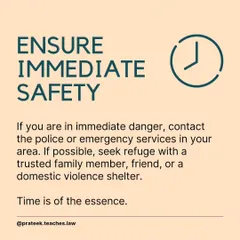
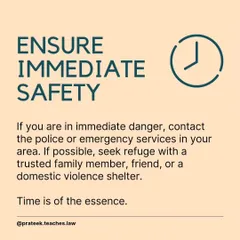
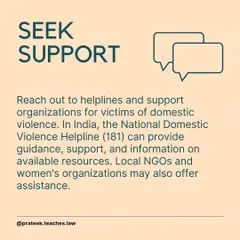
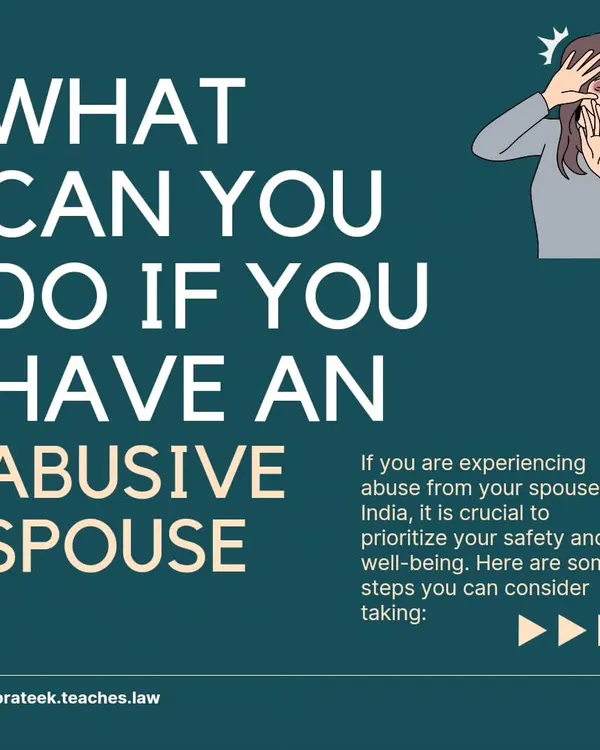
Navigating Domestic Disputes and Legal Rights in India
Legal Insights: Understand Your Rights and Remedies
More from Legal Consultation by Dheeraj Kumar
More services by Dheeraj Kumar