Modern Doors, Partitions, and Pivot Systems
Doors and partitions do more than divide space; they define how your home flows. Here is a look at the smart, functional solutions I use to make rooms feel open, connected, and distinctly modern.
The magic of a pocket door is how it disappears to save space. This before-and-after shows a door sliding seamlessly into the wall, eliminating the need for door swing space and creating a clean, minimalist look.
A hidden pocket sliding door is a beautiful and practical solution for a kitchen. It allows you to close off the space when needed without the intrusion of a swinging door, perfect for open-concept living areas.
This slim-profile pocket sliding door system is perfect for room or kitchen partitions. The fluted glass provides privacy while allowing light to pass through, and the door disappears into the wall to maximize space.
The secret mechanism behind a hidden or concealed door is the Soss hinge, also known as an invisible hinge. My trusted brands for this hardware are Hafele, Ebco, and Ozone.
Here's a look at the making of a concealed bathroom door. To ensure it blends seamlessly, I consider the door's weight, use inconspicuous hinges, and design for a flush finish with the fluted wall paneling.
This is a work-in-progress shot of a concealed or flush door. It's designed to blend perfectly with the surrounding wall, creating a clean, minimalist look that hides the entrance to another room.
Pivot doors create a dramatic and modern entrance. They rotate on a central pivot point, allowing for a wider opening and a seamless flow between spaces, making them a striking architectural feature.
Pivot doors offer a modern and sophisticated look. They rotate on a central axis, can be made from various materials like glass or metal, and are perfect for creating a grand entrance with a seamless transition.
Step into the world of pivot doors. Because they operate on a central axis, they are an elegant and practical solution for both main entrances and interior doors, like for a kitchen, providing a contemporary touch.
This revolutionary sliding door system is wall-mounted, eliminating the need for a cumbersome ceiling track. It features soft-close technology and works with glass, wood, or metal doors for a sleek, space-saving partition.
About Doors, Partitions & Windows
When designing partitions, the biggest mistake is ignoring the hardware. A door should glide, not scrape. Whether it is a fluted glass partition or a concealed pocket door, I always prioritize the mechanism—like using high-quality invisible hinges or heavy-duty soft-close tracks—because a beautiful door that is difficult to open is a failure in my book.
Beyond Basic Doors
A door is an architectural element, not just a way to enter a room. In my projects, I focus on how these elements can change the volume of a space.
The Magic of Pocket Doors
For tight layouts, pocket doors are a game-changer. By sliding seamlessly into the wall cavity, they eliminate the swing space that traditional doors require. I usually recommend these for kitchens or home offices where floor space is limited. We need to plan for the wall cavity early in the construction phase, but the result is a clean, minimalist look that makes small rooms feel significantly larger.
Pivot Doors for Impact
If you want a grand entrance, a pivot door is the way to go. Operating on a central axis rather than side hinges, they allow for larger panels and a more dramatic, modern aesthetic. I love using these for main entrances or to separate a living area from a dining hall.
Glass Partitions & Privacy
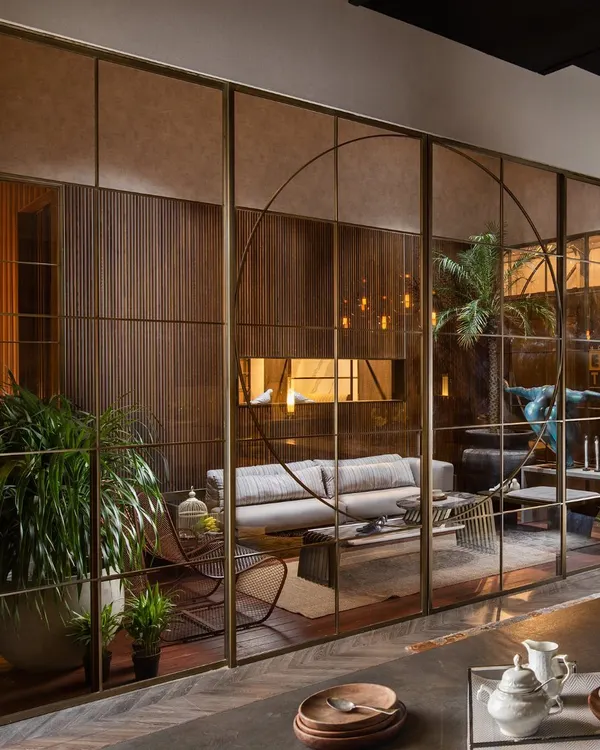
Fluted glass is my go-to for partitioning without blocking light. Whether framed in black aluminum or stainless steel with a PVD polish, it adds texture and depth. It provides a visual break between spaces like a kitchen and living area, offering privacy while keeping the home feeling airy and open.
Why Hardware Matters
My go-to brands for hidden or concealed door mechanisms are Hafele, Ebco, and Ozone. Using a 'Soss' or invisible hinge is what makes a flush door actually look flush with the wall. It’s these specific hardware choices that separate a standard build from a finished, high-quality home.
Similar work from other experts
Browse through Curated picks from other experts on mytribe
 5
5
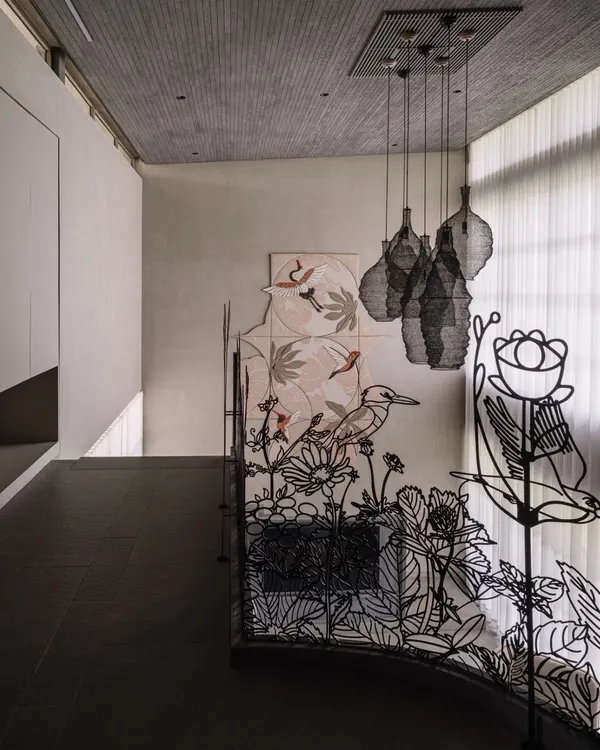
Custom Architectural Dividers & Sliding Door Systems
Sliding & Foldable Partitions for Flexible Home Design
 12
12

Artistic Metal Partitions, Railings & Custom Doors
Artful Entrances: Custom Doors & Foyers
 20
20
Modern Statement Walls, Panels & Partitions
Statement Partitions & Screens for Modern Interiors
More from Turnkey Interior Design & Build by AAA Interiors
More services by AAA Interiors