Interior Design Details & Technical Guides
Good design isn't just about what you see; it's about how it is made. Here are the practical techniques and technical details I use to make homes functional, durable, and beautiful.
The best solution for a seamless corner joint in woodwork is a mitered joint. By cutting the two pieces at a 45-degree angle, they meet to form a perfect, strong, and clean corner, as seen on this tabletop.
Here's a technical tip for finger groove handles on cabinets. Always leave a gap of at least 25mm (1 inch) for your fingers to fit comfortably. Cutting the groove at a 45-degree angle also makes it easier to use.
Details matter. Grooves in furniture not only add texture and visual interest but also showcase craftsmanship. The depth, width, and spacing of the grooves are all carefully considered to achieve the desired aesthetic.
Brass and bronze hardware are making a big statement in 2024. These warm metals add a timeless elegance and a touch of luxury to cabinetry, and their popularity is here to stay.
Over-designing isn't always necessary. Sometimes, subtle and simple details, like the clean lines and minimalist handles on this wardrobe, make for the most beautiful and timeless interiors.
Details are everything in design. This wardrobe showcases a beautiful combination of a smooth finish with a lower fluted panel section, complemented by an elegant brass handle.
Details matter. This TV unit features a clean, minimalist design with grooved cabinet doors that add subtle texture and visual interest to the overall piece.
Confused about bed sizing? This guide shows the standard dimensions in inches for Twin, Full, Queen, King, and California King mattresses to help you choose the right size for your space.
Bed dimensions can be tricky. This guide provides standard measurements in centimeters for the bed, mattress, and bedside tables to help you plan your bedroom layout effectively.
Light planning is one of the most crucial factors in designing a space. This video shows how a lighting layout can transform a floor plan, creating mood and highlighting different zones within a home.
About Design Details & Technical Guides
I have seen too many cabinets fail because of sloppy corner joinery. For clean, long-lasting edges, I always recommend a 45-degree miter joint rather than a basic butt joint. It is a small detail that prevents your laminates from peeling and makes your furniture look seamless, not just assembled.
Creating a home that looks good is easy, but making one that lasts is about the technical choices you make on day one. When I plan a space, I look at the unseen elements that define your daily comfort.
Lighting Temperatures
One of the most common mistakes I see is using the wrong light temperature. For bedrooms and living areas, I stick to warmer light, typically 2700K to 3000K. It mimics natural sunset tones and makes a space feel inviting. If you are working in a kitchen or a home office, go for 3500K to 4000K. It keeps you alert and makes task-oriented work much easier.
Cabinet Hardware
Don't skimp on the internals. I always advise my clients to use soft-close hinges and channels from reliable brands like Hettich or Hafele. When it comes to handle-less cabinetry, I use finger grooves cut at a 45-degree slant, ensuring there is a 25mm gap. It is a small space, but it makes a massive difference in ergonomics.
Tile and Finishing
If you want that high-end look without the cost of real marble, use marble-look tiles, but define them properly. I prefer creating a 6mm inset between tiles with a metal strip. It turns a simple tiling job into a deliberate design feature. Whether it is stainless steel piping or the specific depth of a furniture groove, these technical decisions are what separate a space that looks 'done' from a space that truly feels home.
Similar work from other experts
Browse through Curated picks from other experts on mytribe
Expert Interior Design Tips and Home Renovation Advice

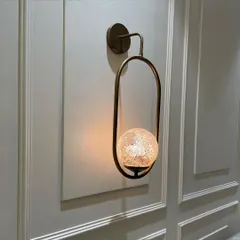
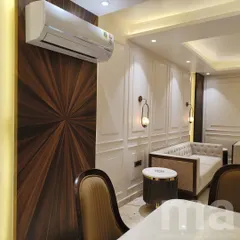
Elevating Spaces with Fine Interior Details
Design Insights and Material Breakdown
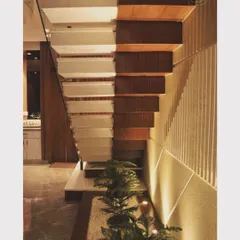
Custom Home Detailing & Tailored Finishes
Expert Interior Design Tips and Home Renovation Advice

Modern Home Materials and Smart Interior Finishes
More from Turnkey Interior Design & Build by AAA Interiors
More services by AAA Interiors