Mastering Headstand (Sirsasana) with Safe, Guided Steps
Inversions shouldn't be about kicking up and hoping for the best. I guide you through the process of building shoulder strength and core stability, ensuring you feel confident and safe before you ever lift your feet off the mat.
The first step is building shoulder and core strength with Dolphin Pose. Pressing the forearms down and lifting the hips up prepares the upper body for the work of an inversion and teaches proper shoulder engagement.
Next, we practice the 'egg' shape by walking the feet in and using core strength to lift the knees toward the chest. This teaches you how to control the lift with your abdominal muscles rather than momentum.
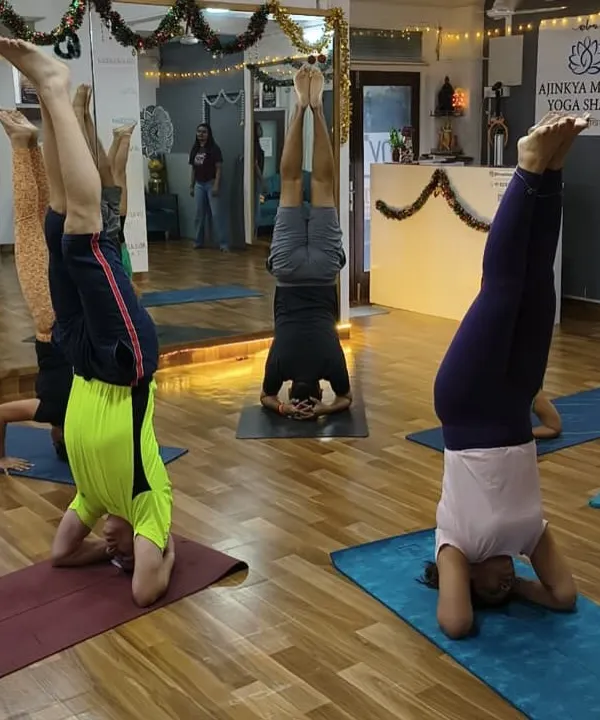
Once you feel stable in the egg shape, you can slowly extend the legs up to the ceiling to come into the full Sirsasana (Headstand). The key is to keep the shoulders active and the core engaged to maintain stability.
Using a wall is an excellent way to build confidence when you are learning inversions. Here, I'm practicing a forearm stand against the wall, which provides support and allows me to focus on alignment without the fear of falling.
A wall-supported handstand is another great way to build the upper body and core strength needed for all inversions. It gets you comfortable being upside down while developing the stability required for freestanding poses.
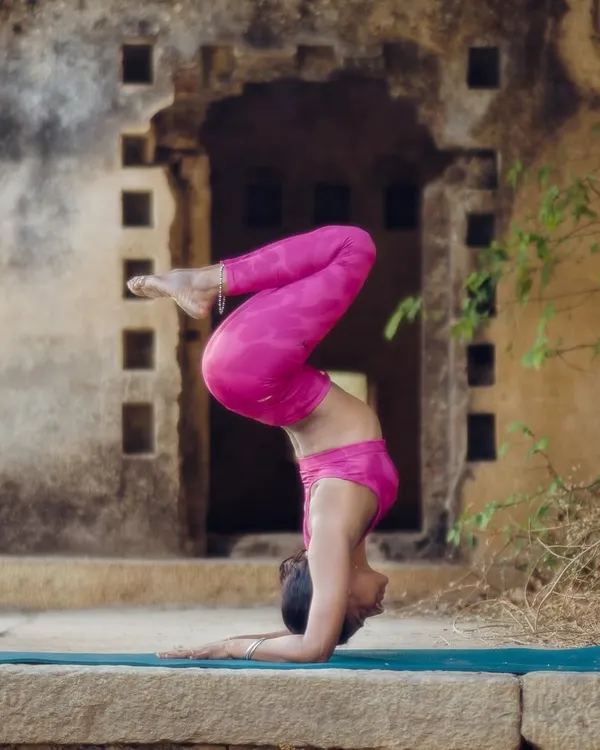
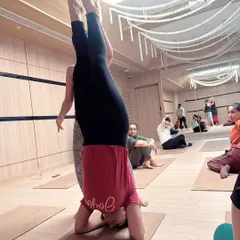
This tucked variation of Sirsasana is a great way to play with balance once you are in the pose. Bringing the legs into different shapes challenges your core and helps you find your center of gravity.
Bringing Garudasana (Eagle) legs into your headstand adds a new layer of complexity. It requires focus and subtle adjustments in the hips and core to maintain balance while the legs are wrapped.
This stag leg variation in Sirsasana is a beautiful expression of the pose. It opens the hips while challenging your stability, showing how strength and flexibility can work together in harmony.
About A Journey to Headstand (Sirsasana)
Many students rush to kick up into a headstand, which is exactly how injuries happen. We start by building your shoulder girdle stability with Dolphin Pose. You will only move to the full inversion once your core is strong enough to control the lift, not just rely on momentum.
Yoga is a 'work-in', not just a workout. Learning Sirsasana (Headstand) is a journey that requires patience and a proper foundation.
The Process
We do not just jump into the pose. We begin with Dolphin Pose to engage the shoulder blades and build the necessary strength in the upper body. Only when you can maintain that stability do we move to the 'egg' shape, where you learn to tuck your knees and engage your abdominals.
Why Alignment Matters
Whether you are a complete beginner or looking to refine your practice, safety is my priority.
- Using the Wall: A wall is not a crutch; it is a tool for building muscle memory. We practice forearm stands and inversions against the wall to understand where your body is in space.
- Core Engagement: The secret to a stable headstand is not just your arms; it is your core. I provide hands-on adjustments to help you find your balance without sinking into your lower back.
My Approach
My style, which I call Yognaman, is about discipline and soul. Whether we work in a park, a studio, or your home, we always start with breathwork and finish with meditation. This ensures you leave the mat not just stronger physically, but lighter in the mind.
Similar work from other experts
Browse through Curated picks from other experts on mytribe
 89
89Inversions: Finding Balance Upside Down
Master Sirsasana: Precise Alignment and Safe Inversions
Mastering Headstands & Arm Balances Step-by-Step
Mastering Headstands and Handstands: A Consistent Practice
 10
10
Safe Headstand & Inversion Workshops
 25
25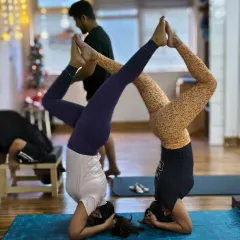
Master Your Inversions: Safe Guidance & Alignment
More from Yoga Instruction by Yognaman
More services by Yognaman