Mastering Traditional Mehndi Patterns & Motifs
Discover the intricate floral vines, classic Arabic designs, and traditional motifs I teach in my Mira Road studio. Learn how to build these designs from scratch through disciplined practice.
A perfect example of a symmetrical design with negative space, creating a bold and striking look. We cover techniques for both positive and negative space in my course.
This video shows the step-by-step application of a modern Arabic design, from the central paisley motif to the delicate vines and detailed finger work.
Watch the creation of a Rajasthani-style design featuring stylized peacocks in architectural 'jharokha' windows, a technique I teach for creating structured patterns.
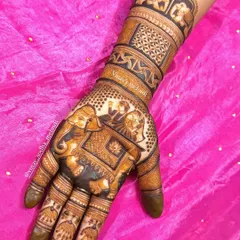
This video focuses on the fine details of a traditional design, including elephant motifs and delicate lotus patterns on the fingers.
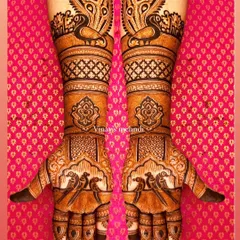
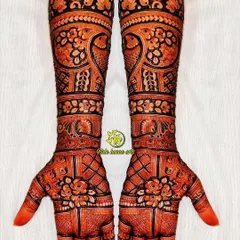
A beautiful example of a symmetrical design with a rich, dark stain. The contrast between the fine lines and filled areas creates a dramatic effect.
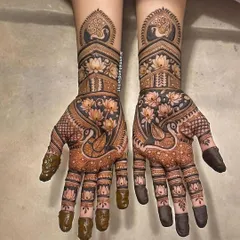
This design showcases a mix of geometric grids, floral elements, and lotus motifs, demonstrating how to combine different styles into one harmonious piece.
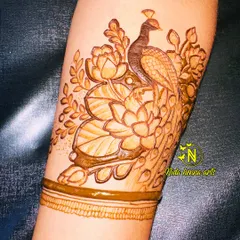
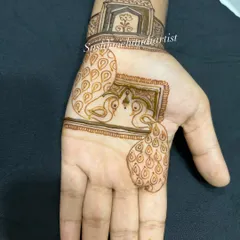
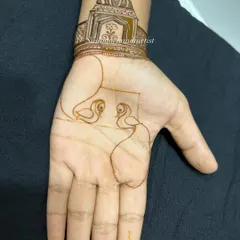
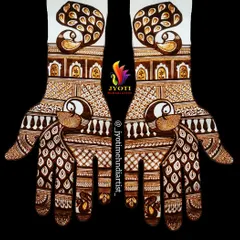
A classic design featuring mirrored peacocks. I teach students how to draw these graceful birds and incorporate them into various layouts.
This intricate design uses a combination of geometric check patterns and delicate floral borders, skills that are fundamental to creating detailed mehndi.
A video tour of a full-arm design, showcasing various traditional bands including lotus motifs, auspicious symbols like the 'kalash', and paisley elements.
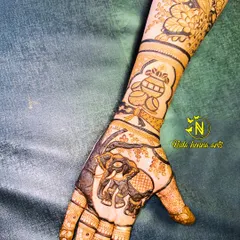
This design features a central elephant motif, a symbol of good luck and prosperity. Students learn to draw this figure with grace and detail.
About Mastering Traditional Patterns & Motifs
In my classes, we treat mehndi as a disciplined craft rather than just a quick trend. We start with pencil sketching and pressure control because before you can draw a flawless peacock or a complex mandala, you must understand the anatomy of the design. You will not just copy my work here; I teach you the logic behind line placement and spacing so you can develop your own signature style.
Whether you are a beginner or looking to refine your existing skills, mastering traditional patterns is the foundation of becoming a professional mehndi artist. At my Mira Road East studio, I break down the art of mehndi into manageable techniques.
The Foundations of Traditional Art
Traditional patterns rely on symmetry, balance, and flow. In my 4-month diploma course, we move beyond basic lines to:
- Grid & Filler Work: Mastering 20+ types of 'Jali' (grid) work. These are the textures that fill your designs and make them look dense and professional.
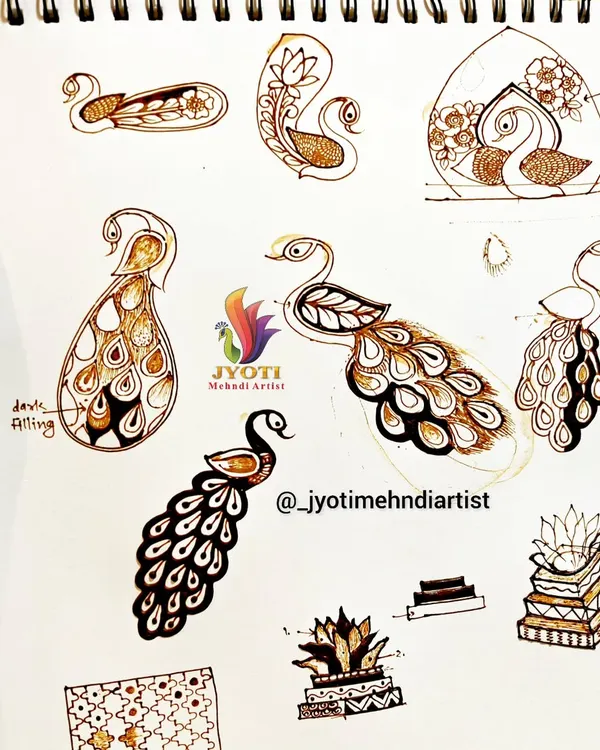
- Motif Anatomy: We focus heavily on traditional motifs like peacocks, elephants, and lotus flowers. You will learn to draw these with consistent proportions and elegant shading.
- Pressure Control: The secret to those clean, sharp lines seen in my portfolio lies in how you hold the cone. I teach you to manage the pressure, which is vital for both fine details and thick, bold borders.
Why Practice Matters
I always tell my students that mehndi is a skill that rewards persistence. We focus on 'Mixology'—learning how to make your own organic henna paste—and the specific techniques needed to get that deep, dark stain. My approach is hands-on. I provide the cones and paper during class, and we practice until your hand muscle memory takes over.
By the end of the course, you will be able to map out a full bridal composition, incorporate storytelling elements, and handle everything from simple festive designs to complex bridal portraits. If you are ready to put in the work, I am here to help you turn your passion for henna into a professional skill.
Similar work from other experts
Browse through Curated picks from other experts on mytribe
Traditional Mehndi Motifs: Learn Intricate Patterns in Mumbai
Master Traditional Mehndi Motifs and Techniques
 37
37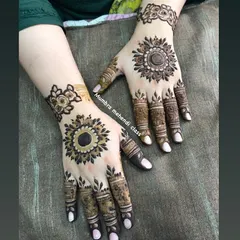
Floral, Leaf and Mandala Mehendi Designs
Mastering Traditional Mehandi Motifs
Master Traditional Mehndi Motifs
 52
52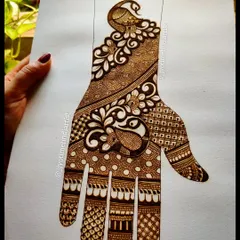
Mastering Classic Indian Mehndi Motifs
More from Mehndi Art Classes by Shilpa Vora
More services by Shilpa Vora