Mastering Traditional Mehandi Motifs
Peacocks, elephants, and lotus designs are the soul of bridal mehandi. In my classes, we break down these timeless motifs into simple steps so you can master the structure behind every intricate design.
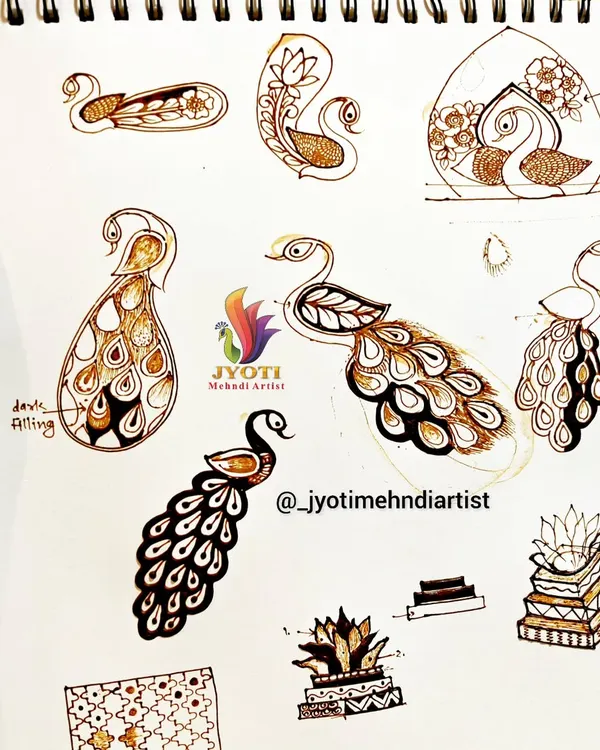
A demo for my students on creating a detailed peacock design. I teach how to draw the feathers and create shading to make the motif stand out.
A beautiful bridal arm band design featuring a peacock surrounded by lotuses. These classic elements are essential for any bridal mehandi artist to master.
This is a basic Indian bridal design that I demonstrate for my students. It combines traditional elements like paisleys, florals, and checks into a full, beautiful composition.
The final look of a bridal hand design featuring a majestic elephant on the palm and a peacock on the arm. I teach how to combine different motifs to create a cohesive story.
This video shows the creation of a traditional arm band design, featuring peacocks, elephants, and lotuses. These elements are patiently created to form a stunning piece.
A close-up of the peacock and lotus design, showing the delicate line work. We practice these motifs on paper before applying them to the skin.
This design combines a peacock motif with a traditional kalash, symbolizing prosperity and auspicious beginnings. This is a great element for bridal mehandi.
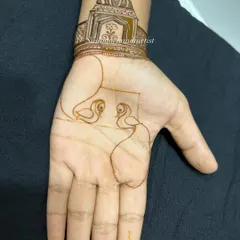
The outline stage of the peacock and kalash design. This shows how we plan the composition before filling in the details.
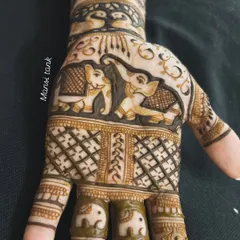
A full hand design in progress, showing how the kalash on the wrist connects to an elephant design on the palm.
About Mastering Traditional Motifs
Many students try to rush into complex bridal palms, but the real secret is mastering individual elements first. When you understand the anatomy of a peacock feather or the symmetry of a lotus, you stop copying designs and start creating your own. In my Wadala studio and online sessions, we spend dedicated time perfecting these foundational shapes until your hand movement becomes fluid and your lines are perfectly clean.
Building Your Foundation
Every piece of professional art begins with a single line. In my mehandi courses, I don't believe in teaching you how to copy pictures from Pinterest. Instead, I teach you how to draw. Whether it is the curve of a peacock neck or the layering of a lotus petal, we practice these elements on paper until they are part of your muscle memory.
Why Tradition Matters
Modern designs are beautiful, but traditional motifs like elephants, Kalash, and floral patterns form the backbone of Indian bridal mehandi. These elements are what clients look for when they want a 'full hand' bridal design that looks complete and balanced. We focus on:
- Proportion: Measuring the hand before starting so the motif fits perfectly.
- Flow: How to connect a central elephant motif with surrounding filler patterns.
- Detailing: Using shading techniques to make a peacock feather look 3D.
Learn at Your Pace
I run both offline batches at my Wadala East studio and online modules for students across India. You will learn to mix your own organic henna, roll your own cones, and practice on both paper and live models. My goal is for you to walk away with a government-certified skill set that allows you to start your own professional journey, just like I did 7 years ago. As I always say, 'Koshish karne walo ki haar nahi hoti' (Those who try never fail). If you are ready to put in the work, I am ready to guide you.
Similar work from other experts
Browse through Curated picks from other experts on mytribe
 52
52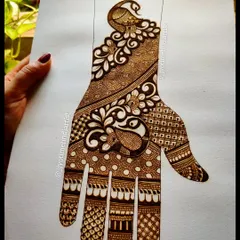
Mastering Classic Indian Mehndi Motifs
 13
13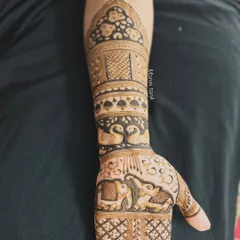
Classic Indian Mehendi Motifs
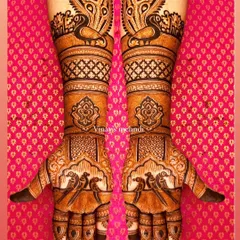
Traditional Mehndi Motifs: Learn Intricate Patterns in Mumbai
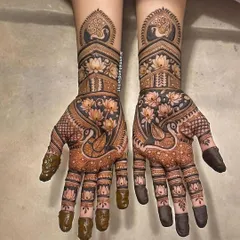
Master Traditional Mehndi Motifs and Techniques
 28
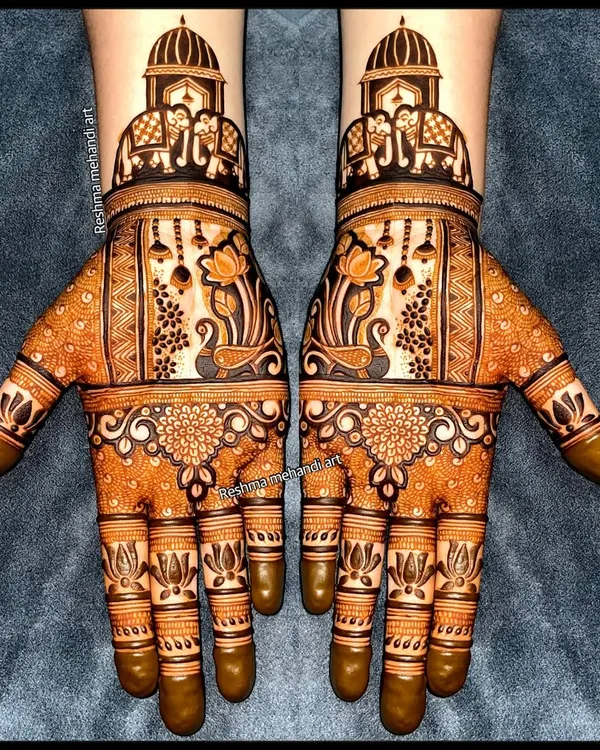
28Intricate Traditional Mehendi Motifs and Designs
Master Traditional Mehndi Motifs
More from Mehandi Art Classes by Nida Henna Arts
More services by Nida Henna Arts