Gardening Gyan: Expert Tips for Organic Vertical Towers
Gardening isn't just about planting; it's about learning the science of growth. Here are the practical techniques we use to make our vertical towers thrive in Delhi NCR, from homemade liquid compost to easy pollination tricks.
Liquid kitchen compost is magic for your plants. I show you how to make this powerful fertilizer by fermenting green kitchen waste. It contains all the micronutrients your vegetables and fruit trees need to thrive.
A step-by-step guide to making liquid kitchen compost. Just collect your green waste, blend it into a chutney, ferment it for a week, dilute, and feed it to your plants for amazing results.
Don't have a mixer or find it a hassle? No problem. You can still make excellent liquid compost by finely chopping your kitchen waste and fermenting it. The goal is to make gardening simple, not complicated.
Amrit Jal is another fantastic liquid fertilizer, like glucose for your plants. I demonstrate how to prepare it using cow dung, cow urine, and jaggery, and how to dilute it for use in your towers.
Composting is essential for good fruiting. A simple way is to make a liquid fertilizer from vermicompost. Just soak it in water for 24 hours and use the diluted water every 15 days to feed your plants.
Pinching, or 3G cutting, is a technique you must learn for creeper vegetables like gourds and cucumbers. By pinching the growing tips, you stop the plant from wasting energy on vertical growth and encourage it to produce more branches and more fruit.
When should you pinch your plants? I recommend doing it three times: first when the plant is 8-10 inches tall, again when it reaches about 3 feet, and a third time when it's a bit more mature. This leads to multiple branches and abundant fruiting.
Pinching also helps when your plant is producing only male or female flowers. By cutting the tip, you encourage new shoots which often produce the flowers you need for pollination and fruiting.
Let's clear up some misconceptions about pinching. It does not harm the plant; it helps it. Pinching is done by hand on soft shoots, while pruning is for hard stems and requires tools.
Pinching is also important for tomato plants to prevent them from becoming too lanky. Removing the top shoots encourages the plant to become bushier and focus its energy on producing fruit.
About Gardening Gyan: Tips from Our Experts
Forget buying expensive bottles of chemical fertilizers. The secret to our lush vertical gardens is simple 'kitchen waste liquid compost'. We save our vegetable peels, blend them, and let them ferment for just 10 days. It creates a powerful, nutrient-rich feed that works better for tomatoes and creepers than any store-bought booster we have tested.
Gardening in a city like Delhi, where space is a constraint, requires a different set of rules. When you switch to vertical towers, you aren't just farming; you are managing a living ecosystem. Here is how you can get the most out of your setup.
The Power of Liquid Composting
Don't let your kitchen scraps go to waste. We recommend blending your green vegetable peels—potatoes, onions, citrus—and letting them ferment in a closed bucket for 8 to 10 days. Dilute this with water (roughly 1:10 ratio) and pour it into your towers. This provides the micro-nutrients that chemical fertilizers often miss, ensuring your plants grow strong without any synthetic poison.
Master the 'Pinching' Technique
If you are growing creepers like gourd (ghiya), cucumber, or bitter gourd, you need to learn 'pinching' or 3G cutting. When the plant is 8-10 inches tall, pinch the growing tip. Do this again at 3 feet. This stops the plant from wasting energy on vertical growth and forces it to sprout side branches. More branches mean more flowers, and ultimately, more fruit.
Ensuring Yield via Hand Pollination
In apartment balconies, natural pollinators like bees often can't reach your flowers. If you see your baby bottle gourds or tomatoes drying up and falling off, it is likely a pollination issue. Take a male flower, remove the petals to expose the pollen, and gently rub it against the female flower (which has a tiny fruit at the base). This simple trick can save your harvest.
Dealing with Pests
Mealybugs are the biggest enemy of balcony tomatoes and okra. Instead of harsh chemicals, we suggest a strong jet of water followed by an organic neem oil spray. Keep at it every few days, and your plants will recover.
Similar work from other experts
Browse through Curated picks from other experts on mytribe
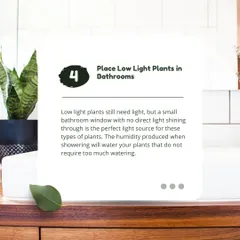
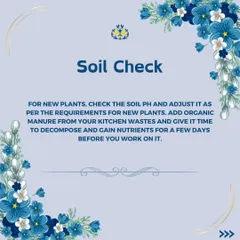
Your Guide to a Thriving Garden
 10
10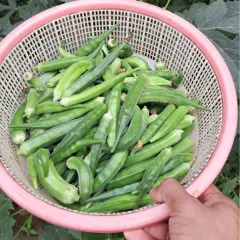
Organic Terrace Gardening Results & Techniques
 31
31
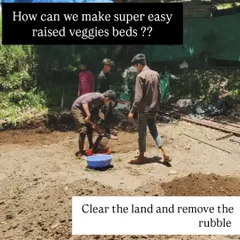
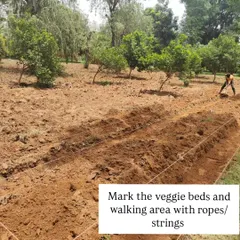
How we build your organic kitchen garden
 10
10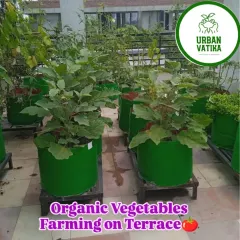
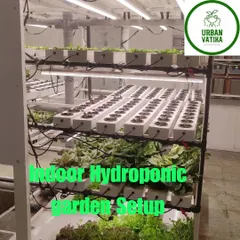
Urban Gardening & Hydroponic Setups in Delhi NCR
Gardening Coaching and Plant Troubleshooting Examples

Our Commitment to Quality Garden Care
More from Full-Service Vertical Garden Installation (Delhi NCR) by Veg Roof
More services by Veg Roof