The Channapatna Story: Preserving India's Lac-Turnery Heritage
Discover the 200-year-old history of Channapatna craft, from its royal origins with Tipu Sultan to our modern, functional design revival.
Our journey begins in the court of Tipu Sultan, the Tiger of Mysore. His fascination with a lacquered wooden tiger from Persia sparked the birth of the Channapatna toy craft, inspiring the vibrant stripes and glossy finish that define this art form even today.
When Tipu’s reign ended, the vibrant lacquer studios fell silent. Yet, in humble village workshops, a few families kept the glossy legacy alive, turning wood by hand despite the odds. Through decades of quiet perseverance, the spirit of Channapatna whispered on.
In the 1950s, Maharaja Jayachamaraja Wodeyar sent master craftsman Bawa Mia to Japan to master urushi lacquer. He returned to found the Lacquer Research Center, blending Japanese finesse with our shellac traditions and sparking a renaissance that led to the craft's GI status.
The handcrafted wooden toys from Channapatna, Karnataka's famous 'toy town', face a battle for survival. We are working to preserve this 200-year-old art form by creating new designs and providing sustainable livelihoods for artisans, ensuring their skills are not lost.
This dragonfly is a collaboration between two unique lac-turnery clusters: the rustic, wave-like marbling of the Vada community in Kutch and the polished, glossy finish of Channapatna. This limited edition piece blends two distinct heritages into one stunning home accent.
I have always been fascinated by the colourful, wave-like forms of the turned wood craft of Kutch, which is very different from the polished style of Karnataka. This video shows artisan Jayantibhai Wada demonstrating his skill, a beautiful collaboration we hope to continue.
About The Channapatna Story: A Craft Reimagined
The glossy finish you see is not varnish. It is the result of 'lac-turnery', a process where natural dyes are applied to the wood while it spins on a manual lathe. Because we use non-toxic vegetable dyes, these pieces are food-safe and perfectly suited for your kitchen or dining table. When you choose a Channapatna piece, you are supporting the few remaining artisan families keeping this 200-year-old tradition alive in our workshops.
This craft traces its roots to Tipu Sultan, who brought Persian artisans to Mysore to teach local woodworkers the secrets of lathe turning and lacquer. What began as regal tiger-themed toys evolved into a distinct art form that nearly vanished in the early 20th century. Thanks to the patronage of the Wodeyar dynasty and the pioneering work of artisan Baba Miya in the 1950s, the craft saw a renaissance that led to the Geographical Indication (GI) status we value today.
At Varnam, we focus on bridging that royal history with contemporary utility. We do not just replicate the old toys; we adapt the techniques for modern homes. Think storage jars that double as table accents or wall hooks shaped like local fauna. Every piece, from our circular photo frames to our signature barni jars, uses Wrightia Tinctoria, locally known as Aale Mara, which is sustainably sourced and durable.
By working directly with clusters in Channapatna, we ensure the artisans receive fair compensation for their time-intensive craft. When you engage with our work, you are participating in a conversation between hand and heritage that has persisted for centuries.
Similar work from other experts
Browse through Curated picks from other experts on mytribe


Our Legacy: Recognition and Craftsmanship in Channapatna
The Artisan's Touch: Handmade Decor and Craftsmanship Stories
 11
11
Handcrafted Indian Design & Artisanal Interiors
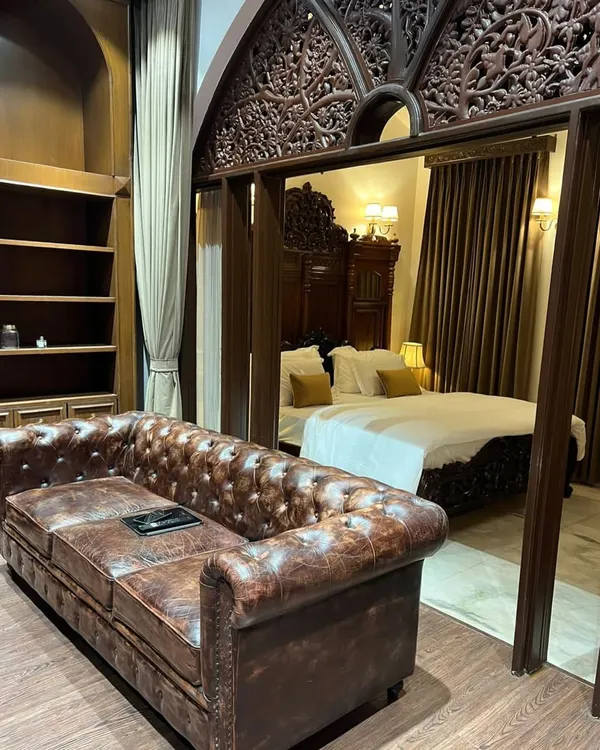 9
9
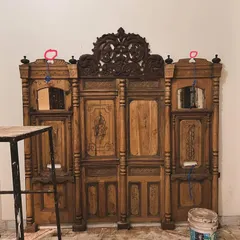
Timeless Indian Karigari for Modern Mumbai Homes
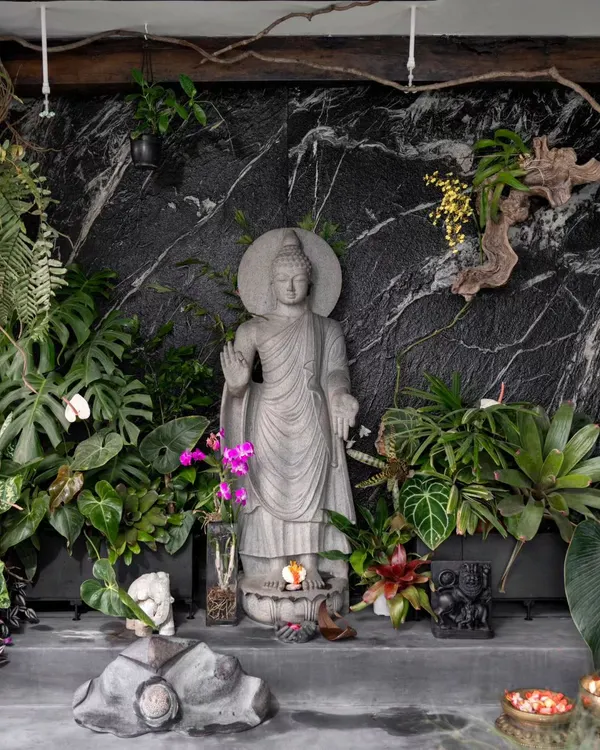 8
8
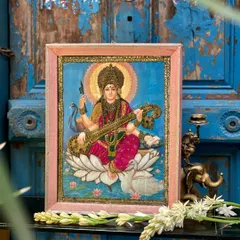
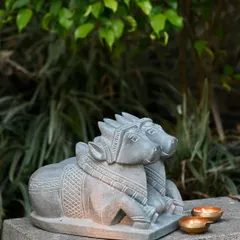
Handcrafted Heritage and Botanical Home Decor
 5
5
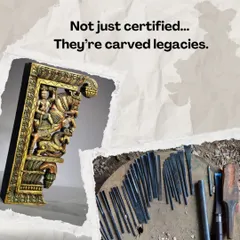
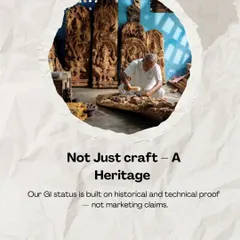
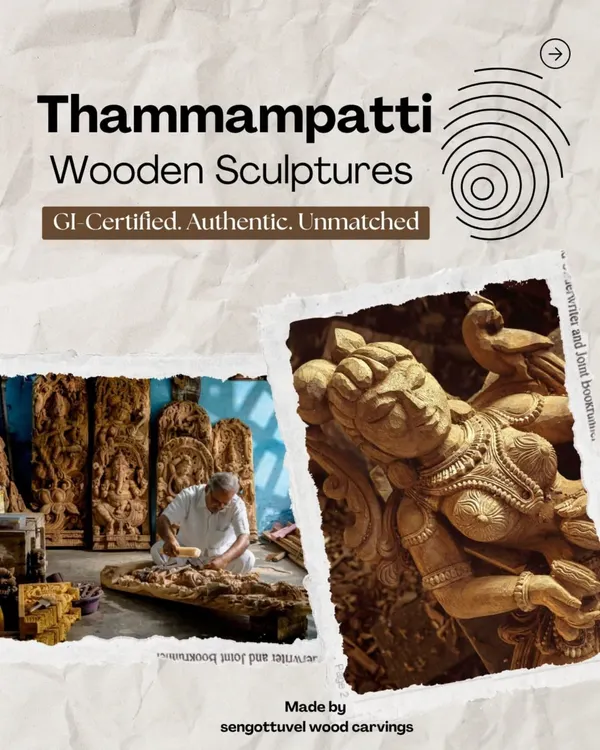
Our Thammampatty Heritage: Authentic GI-Certified Wood Carvings
More from Handcrafted Home Decor & Kitchenware by Varnam Craft Collective
More services by Varnam Craft Collective