Music Production Tips & Tricks for Better Recordings
Get the industry secrets we use daily at our Indiranagar studio to make your tracks sound massive. From compression basics to EQ techniques, here is how you can level up your home production game.
In this episode of 'Talk Bach to Me', our student Amogh dives into the world of polyrhythms. He breaks down how to count, feel, and play these complex rhythms with confidence.
Let's simplify compression. This beginner's guide is all about helping you understand this essential mixing tool so you can make your tracks tighter and smoother.
What is compression? Think of it as an automatic volume control. It turns down the loud parts to create a more balanced and consistent sound.
Why use compression? It helps control dynamics, smooth out performances, and make vocals or instruments sit perfectly in the mix without getting lost.
These are the four key compression terms you need to know: Threshold, Ratio, Attack, and Release. Understanding these will give you full control over your sound.
Hear the difference for yourself. This clip demonstrates how a compressor, like the Teletronix LA-2A, can take a dynamic vocal and make it sound smooth and even.
Avoid these common beginner mistakes with compression. A pro tip is to always start with gentle settings and tweak slowly. Less is often more.
Using EQ is crucial, but it's easy to make mistakes. Here are four common errors that beginners make, and how you can avoid them to level up your mix.
Mistake #1: EQing without listening. Always trust your ears first. Just because you see a frequency bump on an analyzer doesn't mean it needs to be cut.
Mistake #2: Boosting too much. Over-boosting frequencies can add harshness or mud to your sound. Often, cutting frequencies is more effective than boosting.
About Production Tips & Tricks
One of the biggest traps we see beginners fall into is EQing individual tracks in solo. It is easy to make a synth or guitar sound perfect when you are listening to it by itself, but that same sound often gets lost or clashes once you unmute the rest of the mix. Always adjust your EQ settings while listening to the full arrangement so you can hear how the frequencies are interacting with the bass, vocals, and drums. If it sounds right in the full context of the track, it is right.
Compression: Stop Squashing Your Mix
Compression is essentially automatic volume control, but using it without a goal is the quickest way to kill the energy in a track. When using tools like the Teletronix LA-2A, the key is to be gentle. Start by setting your threshold so you are only catching the loudest peaks, and tweak your attack and release times until the performance feels consistent without losing its punch. If you are ever unsure, remember: less is often more.
The Subtractive EQ Approach
Before you start boosting frequencies to make something stand out, try cutting what you do not need first. Using subtractive EQ to remove mud (usually in the 200Hz to 400Hz range) is often much more effective than boosting the highs. If you need to boost, use a narrow Q setting to target the specific problem area rather than widening your curve and affecting the rest of the sound.
The 80s Gated Reverb Trick
If you want that massive, punchy snare sound heard in 80s hits, you do not need an expensive studio. You can achieve this using a stock noise gate and a reverb send. The technique is to apply heavy reverb to your snare and then use a gate to cut the reverb tail off quickly. This gives you that 'explosive' impact that disappears before it gets muddy, perfect for driving the rhythm section in pop and rock tracks.
Want to Learn on Pro Gear?
Reading about this is one thing, but hearing it on reference-grade equipment like our Amphion One18 monitors makes all the difference. If you are in Bangalore, drop by our Indiranagar studio. Whether you need to rent our control room or join one of our production bootcamps to get hands-on with a Neve Shelford Channel, we are here to help you get that pro finish.
Similar work from other experts
Browse through Curated picks from other experts on mytribe
 4
4
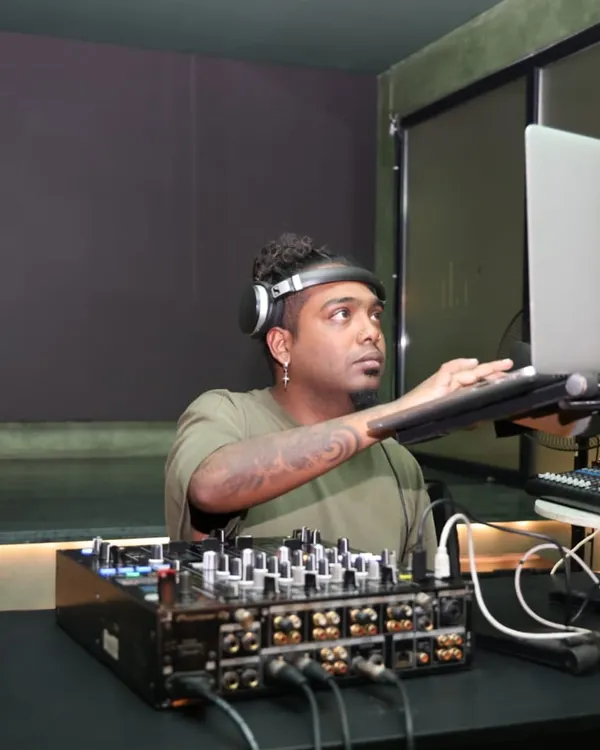
Behind the Decks: DJ Training and Studio Sessions
Learn Music Production & Create Your Own Tracks
Professional Studio Sessions and Music Production
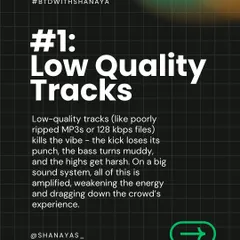
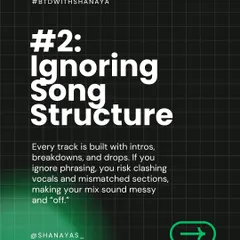
Pro DJ Tips and Techniques for Beginners
Music Production Training in Ableton Live
Master the Decks: Professional DJ Tips & Tricks
More from Music Production & Studio Services by Trill Route
More services by Trill Route