Fun Science Experiments for Kids to Try at Home
Turn your kitchen into a lab. These DIY science activities are low-prep, high-impact ways to spark curiosity in your little one using items you already have.
Can you light a candle without the flame touching the wick? It sounds impossible, but it's a mind-boggling science trick your kids will love! This super low-prep experiment uses birthday candles to demonstrate how vapor can carry a flame.
Perfect for a hot day, let's make frozen dinosaur eggs! This sensory play activity is great for hands-on learning. Kids can use tools like warm water and salt to hatch the eggs, learning about melting points and cause-and-effect.
Turn your kitchen into a chemistry lab with purple cabbage juice! This natural pH indicator changes color when you add acidic or basic items like lemon juice or detergent. It’s a visually stunning way to teach kids about science.
Can a simple plastic straw pierce a raw potato? This experiment is a fantastic way to demonstrate the power of air pressure. It’s a simple, surprising, and super fun activity for curious little minds.
Why does a pencil look crooked in a glass of water? This classic experiment is a simple yet powerful way to introduce your little one to the scientific concept of light refraction. All you need is a glass, water, and a pencil!
Let's make pepper fly! This magical experiment uses static electricity from a balloon to separate pepper from salt. It’s a super simple and visually amazing way to introduce basic physics concepts.
Can you poke a hole in a bubble without it popping? With a little bit of thread, you can! This cool experiment teaches about surface tension and is sure to leave your tiny tot amazed.
Here's another "pin-proof" balloon trick! A simple piece of tape is all you need to defy expectations and pierce a balloon without it popping. It's a great way to talk about polymers and pressure.
How can you lift a bottle of rice with just a single chopstick? This experiment is a fantastic demonstration of friction and pressure. It’s easy to set up and feels like a magic trick!
How do massive steel ships float? This foil boat experiment is a great way to explore buoyancy and displacement. Challenge your child to see how many coins their boat can hold before it sinks!
About Fun Science & DIY At Home
A common worry is that teaching science at home requires expensive kits, but that is far from the truth. In our sessions, we show that the most impactful lessons often come from everyday objects like a glass of water, birthday candles, or simple kitchen ingredients. When your child sees a pencil 'break' in water due to refraction or a balloon attract pepper with static electricity, they are not just performing a trick; they are forming the foundational synapses for scientific inquiry that will serve them for years to come.
Learning Through Play
At Tickle Right, we believe in 'connection before cognition.' Science is not just about the final result or the 'wow' factor; it is about the questions your child asks while you are doing it together. Whether you are creating frozen dinosaur eggs to explore melting points or using purple cabbage juice as a pH indicator to teach chemistry, you are nurturing their natural hunger for knowledge.
Why These Experiments Matter
- Cognitive Development: Experiments like balancing coins on foil boats introduce complex concepts like buoyancy and displacement in a way that fits a preschooler's grasp.
- Fine Motor Skills: Using droppers for liquid experiments or handling small household items refines dexterity.
- Critical Thinking: Asking 'what happens if we do this?' encourages your child to predict outcomes, which is the heart of the scientific method.
Simple Science, Lasting Skills
We focus on the 0-7 year age window because this is when the brain is in 'sponge mode.' By incorporating these DIY experiments, you are doing more than just passing a weekend afternoon; you are building neural pathways for pattern recognition and logical reasoning. You do not need to be a scientist to guide your child. You just need to be present, curious, and ready to explore. If you ever feel stuck or want to know the specific science to explain to your child, feel free to reach out to us. We love chatting about how these little moments turn into big learning milestones.
Similar work from other experts
Browse through Curated picks from other experts on mytribe
 20
20
Little Scientist's Lab: Science Experiments for Kids
Creative DIY Play Ideas to Try at Home
Hands-On Science & Exploration for Curious Kids
Hands-On Science Experiments for Young Explorers
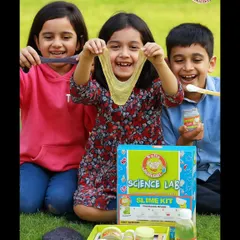
DIY Science Kits for Home
Early STEM and Science Fun for Kids
More from Parenting Seminars & Info Sessions by Tickle Right
More services by Tickle Right