The Cutting Room: A Guide to the Perfect Fit
Welcome to The Cutting Room. I am Ujjwal, and this series is where I peel back the layers of bespoke tailoring to show you what a truly precise fit looks like and why it matters.
What does it truly mean to wear a bespoke outfit? In the first episode of 'The Cutting Room,' I explain that it's about comfort, elegance, and the sheer confidence you feel when wearing something handmade just for you.
The bespoke process begins with a conversation. In this episode, I discuss the importance of building a deep relationship with my clients to understand their lifestyle, which allows us to create an authentic garment that truly reflects who they are.
Why does a bespoke suit fit so precisely? Because we take over 30 measurements and observe your posture to create a new paper pattern from scratch, individual to you, unlike made-to-measure which just modifies an existing pattern.
Does your shirt actually fit you well? Most men wear shirts that are one size off. In this comprehensive guide, I break down the 5 silent giveaways of a poor fit, from the shoulder seam to the sleeve length.
What should an ideal shirt fit be like? A good fitting shirt is central to your look. It accentuates your best features and should feel smartly comfortable, giving you a boost in confidence. Let's see what that looks like.
Shoulder seams and armholes are often neglected but are critical for definition and comfort. In this episode, I explain why the seam should be at the edge of your shoulder bone and why a closer armhole actually allows for better movement.
Continuing our discussion on shirt fit, let's talk about the chest and yoke. A well-fitted shirt should have no strain or wrinkles across the back and front, allowing for a clean look and complete freedom of movement.
The sleeves of a shirt are very important. They should have the right amount of room around the biceps to allow for flexing, and then taper down to the cuff for a clean, slim look at the forearm.
Let's discuss the ideal length for shirt sleeves. A good sleeve length hits your wrist bone and has about an inch of excess, ensuring it doesn't ride up too far when you bend or lift your arms.
What is the ideal shirt length? A good fitting shirt should extend 6 to 7 inches below your waistline to cover your seat. This allows the shirt to stay tucked in and prevents excess fabric from bunching at your sides.
About The Cutting Room: A Guide to the Perfect Fit
Most men settle for off-the-rack sizing without realizing how much better a garment can feel. When you are ready for a piece that actually lives with you, I do not just measure your chest or waist. I observe your posture, how you sit, how you walk, and even account for the difference in your left and right arm length. This creates a pattern that is yours alone, not a generic template that simply hides your shape.
Why Bespoke Fit Goes Beyond Numbers
A bespoke garment is often misunderstood as just 'custom-made' clothing. At the studio, it is a philosophy. When we speak about the perfect fit, we are talking about your comfort, your confidence, and how your clothes move when you do.
The Science of Measurements
Unlike made-to-measure services that tweak a standard pattern, I create every paper pattern from scratch. We take over 30 precise measurements, but that is only half the battle. I watch how you stand to understand the slope of your shoulders and the arch of your back. This detail ensures that when you lift your arms or sit for a long meeting, the fabric does not pull, bunch, or restrict you.
Anatomy of a Shirt
In my 'Cutting Room' series, I break down what most people overlook. For example, a shirt's shoulder seam should rest exactly at the edge of your shoulder bone. If it sits further down, the shirt looks oversized; if it sits on the bone, it looks tailored and sharp.
- Collar Fit: It should be snug enough for a tie but loose enough to slide two fingers inside without seeing a gap around the neck.
- Sleeves: These should taper cleanly to the forearm to avoid excess fabric, hitting your wrist bone with just an inch of extra length for movement.
- Armholes: Contrary to popular belief, a tighter armhole actually allows for better range of motion.
The 'Kulti' Standard
For our suits and formal wear, we use traditional techniques like 'Kulti' (pad stitching). We do not rely on glue or shortcuts. We hand-tack the canvas so your jacket maintains its structure and a graceful lapel roll for years. Whether you are in Parel for a consultation or we are conducting a trunk show, my goal is to teach you how to look for these details so you know exactly what you are paying for.
Similar work from other experts
Browse through Curated picks from other experts on mytribe
The Bespoke Tailoring Process: Getting Your Perfect Fit
The Bespoke Journey: How I Design Your Custom Outfit
 7
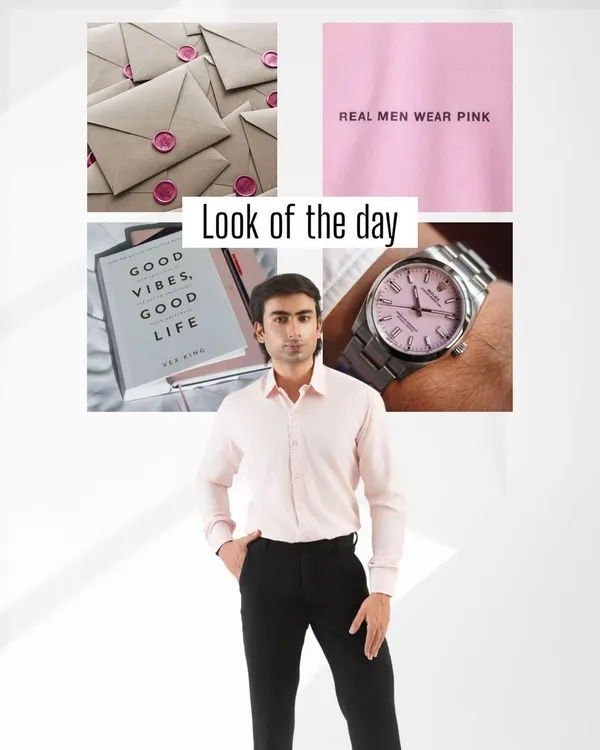
7Custom Tailored Shirts That Fit Your Lifestyle
Bespoke Menswear Tailoring for a Perfect, Personal Fit
The Art of Bespoke Tailoring in Delhi
Custom Suit Stitching and Design Process
More from Bespoke Menswear (Formal & Business) by Threadsmith
More services by Threadsmith