What Is Your Dog Really Saying? Decode Your Pet's Body Language
Every yawn, lip lick, or stiff posture is a message. Learn to read the silent signals your dog uses to tell you how they really feel.
Dogs say so much without ever making a sound. In this interaction, notice the subtle shifts in posture, the ear position, and the tail carriage. These are all signals they are using to communicate with each other. Learning to see this silent conversation is the first step to understanding your own dog.
Not all play is equal. What might look like fun can sometimes be stressful for one of the dogs. Here, I'm explaining how to spot the difference between happy, consensual play and a situation where one dog is feeling overwhelmed, by looking for calming signals and attempts to disengage.
This dog is showing so many conflicting signals. He approaches me but is also squinting and lip-licking, which are signs of uncertainty. This tells me I need to be careful and not push his boundaries. Understanding this non-verbal communication is key to preventing bites and building trust.
If you want to be a better pet parent, try seeing your dog's behavior as communication rather than simply "good" or "bad." Every action serves a purpose. My job is to help you figure out the 'why' behind the behavior so we can address the underlying need.
About What Is Your Dog Really Saying?
Most people misinterpret tail wags or intense play as always being positive, but these are often just polite attempts to navigate stress. When you learn to spot the subtle tension, like a head turn or a squint, you stop pushing boundaries your dog is uncomfortable with. This immediately builds more trust between you because you are finally listening to what they have been trying to tell you.
Beyond Commands
We often focus so much on obedience that we forget dogs communicate constantly through their bodies. A yawn is not always tiredness, and a wagging tail is not always happiness. These are nuanced signals that reveal your dog's emotional state, from curiosity to conflict.
Why Decoding Matters
When you misread a signal, you might accidentally force your dog into a situation they are not ready for. This is where frustration, reactivity, or aggression often starts. By learning to decode these non-verbal cues, you can:
- Prevent conflict: Stop pushing boundaries before a situation escalates.
- Build deeper bonds: Show your dog that you are a safe person who respects their limits.
- Identify stress early: Spot the tiny lip licks or 'whale eye' glances that happen long before a growl.
The Art of Consent
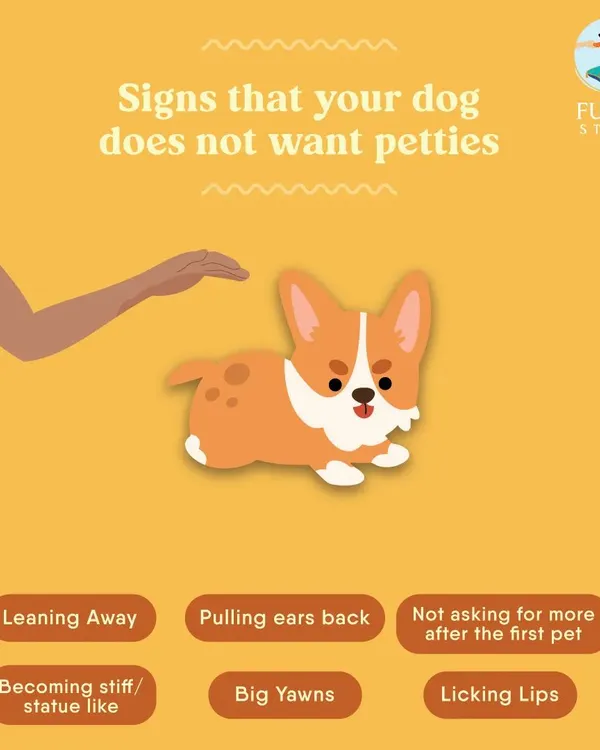
I focus on teaching you 'consent testing.' This is about checking if your dog actually wants to be touched or played with, rather than assuming. If they turn their head away, back up, or look stiff, they are saying 'no' or 'not right now.' Respecting that boundary is the fastest way to stop negative behaviors. We don't need magic or quick fixes. We just need to get better at listening to what they are already saying.
Similar work from other experts
Browse through Curated picks from other experts on mytribe

Understanding Canine Communication
Understanding Your Dog's Language
Understanding Your Dog's Body Language
Understanding Your Dog's Mind and Behavior
 6
6Reading Your Dog: Understanding Canine Body Language
 6
6

Decoding Your Pet's Behavior
More from Dog Behavior Modification & Training by Aishani Mathur
More services by Aishani Mathur