Calming Anxious Minds: Gentle Dog Behavior Support in Gurgaon
Is your dog scared of loud noises or new environments? We move away from control and focus on understanding their fears to build a secure, confident home for them.
My dog Ezra is highly sensitive to touch. Helping him become more comfortable didn't involve treats or commands. Instead, I focused on understanding his body language, giving him space, and communicating with my own calm posture that I was not a threat.
After a dog experiences big emotions, like fear or over-excitement, they need time and space to decompress and "fill their cup." For my dogs, this means giving them a quiet space away from others and letting them choose what they need, whether it's rest or a calming chew.
After a very stressful walk, my first instinct was to hug and kiss Maya to comfort her. Instead, I let her tell me what she needed. By waiting for her consent, I was able to provide comfort in a way that was truly helpful for her, strengthening our trust.
Diwali is a scary time for street dogs, who often run in fear from crackers and get lost. This year, we put reflective collars with our phone numbers on our local streeties to help them stay safe and be returned if they get displaced.
With Diwali approaching, it's important to remember that you must comfort your dog if they are scared. Comforting fear does not reinforce it. It shows your dog that you are a safe person they can turn to when they feel overwhelmed.
Bambi's journey with me started with 24 hours of her being too scared to eat, drink, or even leave her pen. It was a powerful lesson in patience. By giving her time to trust, she slowly came out of her shell and is now walking fearlessly.
About Calming Anxious Minds
When your dog is scared of loud noises or new people, the instinct is often to try to correct the behavior. But we don't fix fear by ignoring it or forcing exposure. In our sessions, we look for specific calming signals—like a lip lick, yawn, or head turn—that tell us exactly when your dog is feeling overwhelmed. By respecting those boundaries and adjusting their immediate environment, we stop the anxiety cycle before it starts.
Understanding Fear, Not Just Correcting It
Many common behavior issues, from leash lunging to barking at guests, are rooted in stress. If your dog is anxious, they aren't trying to be difficult—they are telling you they don't feel safe. Whether it is seasonal noise like Diwali fireworks or general sensitivity to handling, my approach focuses on decoding these signals.
Why Force-Free Matters
Old-school methods often rely on punishment or 'alpha' dominance, which can shut down communication and hide the symptoms of anxiety without ever fixing the root cause. My methods are strictly force-free. We use:
- Threshold Testing: Identifying the exact distance at which your dog feels safe enough to learn.
- Body Language Decoding: Teaching you to read the subtle signs that your dog is reaching their limit.
- Environmental Audit: Simple, actionable changes to your home setup, like creating a 'safe den' or adjusting your daily routine to lower cortisol levels.
The Path to Confidence
Anxiety isn't a life sentence. Through consistent, positive reinforcement, we can change your dog's emotional response to triggers. We start with a 90-minute in-home diagnostic assessment to analyze your dog’s history and daily triggers. From there, we build a customized roadmap that prioritizes your dog's agency. When they know they can choose to walk away or ask for space, their confidence naturally grows, and the reactivity fades. Let's work on helping your dog feel like themselves again.
Similar work from other experts
Browse through Curated picks from other experts on mytribe
 9
9


Understanding and Managing Your Dog's Anxiety
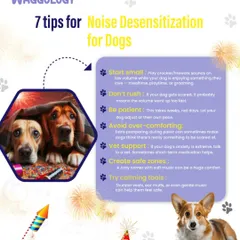


Overcoming Your Dog's Anxiety and Fearful Behavior



Helping Your Reactive Dog Find Calm
Aggressive and Reactive Dog Behavior Modification
 20
20
Behavior Modification for Dogs With Serious Challenges
Building Confidence and Independence: Expert Training for Anxious Dogs
More from Dog Behavior Modification & Training by Aishani Mathur
More services by Aishani Mathur