Decoding Your Attachment Style: Healing Relationship Patterns
Your relationship patterns aren't random; they are wired by your attachment style. Let us decode your nervous system and build a secure, healthy foundation.
Have you been lied to about soulmates? This video explains the neuroscience behind attraction. That feeling of "chemistry" or "butterflies" is often your nervous system signaling danger, not love. Healthy love feels calm and safe.
Why does your partner pull away when things get serious? It's not their personality, it's their attachment style. I break down the four main styles (secure, anxious, avoidant, disorganized) and explain how they are formed by childhood wounds.
Why do smart people make irrational relationship choices? It's because your emotional brain, which runs on an ancient survival system, operates independently from your logical brain. I explain how your "attachment blueprint" drives your choices and how you can begin to heal it.
Your emotions are literally contagious because of "mirror neurons" in your brain. If you feel anxious on a date, your date will feel anxious too. I explain how to regulate your emotional state to create feelings of confidence and joy instead.
Your trauma responses are often disguised as preferences. The "butterflies" you chase might actually be your body's alarm system. This is your brain seeking what's familiar, even if it's painful.
Your subconscious is running a program you didn't even install. These programs, formed in childhood, dictate your relationship patterns. The good news is, you can overwrite this coding with conscious work.
The Abandonment Wound often shows up as clinging to partners or testing their commitment. It comes from being physically or emotionally left by caregivers, which taught you that love isn't permanent.
The Betrayal Wound can make it difficult to trust or be vulnerable. It often stems from a past experience where someone you trusted broke that trust, teaching you that people aren't safe.
The Injustice Wound shows up as score-keeping in relationships and expecting reciprocity for every gesture. It's rooted in childhood experiences of unfairness or favoritism.
Anger is often a secondary emotion that masks something deeper. We resort to anger because it feels more powerful than admitting we feel hurt, unseen, or vulnerable. Understanding this is key to managing your reactions.
About The Science of Love: Attachment, Trauma & Your Brain
You might think the constant chaos in your relationship is 'passion', but your nervous system is likely just signaling that you are back in a familiar, painful pattern. When you are with someone truly safe, your body should not be in fight-or-flight mode. It should feel calm, grounded, and steady. If you feel like you are walking on eggshells or constantly analyzing texts, that is not love. That is your old programming running the show, and we can change that.
Why You Seek Chaos Over Calm
Your brain is wired to confuse familiarity with safety. If you grew up in a household where love was inconsistent or conditional, your emotional brain learned that 'love' equals 'chasing'. This is why stable, kind partners might feel boring or unexciting to you at first. You are addicted to the dopamine rush of the chase and the cortisol spike of the conflict.
The Four Attachment Blueprints
We categorize these survival mechanisms into four main styles. Understanding yours is the first step toward self-regulation:
- Secure Attachment: You feel comfortable with intimacy and independence. You do not panic when a partner needs space.
- Anxious Attachment: You fear abandonment and often demand excessive reassurance. You may suffocate a partner because you are terrified they will leave.
- Avoidant Attachment: You value independence above all else. When things get serious, you pull away to protect yourself from being trapped.
- Disorganized Attachment: You crave intimacy but are terrified of it, leading to a push-pull dynamic that leaves both partners exhausted.
Reprogramming Your Brain
Healing is not about 'fixing' your partner. It is about nervous system regulation and building self-worth. In my coaching sessions, we move past surface-level advice. We look at your childhood wounds—abandonment, betrayal, or injustice—and see how they dictate your current choices.
My approach uses neuroscience to help you identify when your 'alarm system' is going off incorrectly. We work on shifting from 'reacting' to 'responding'. You do not need a quick fix; you need to overwrite the subconscious programming that told you love has to hurt. Are you ready to stop repeating the cycle and choose yourself instead?
Similar work from other experts
Browse through Curated picks from other experts on mytribe
 19
19
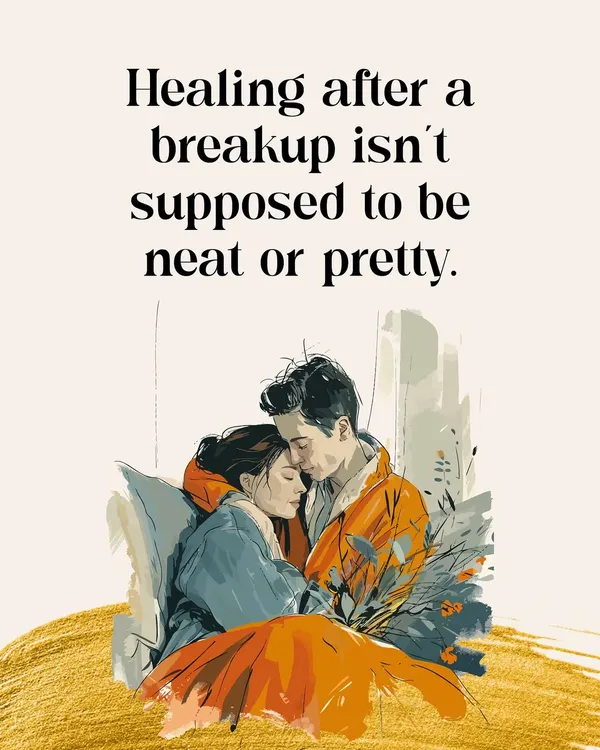
The Healing Journey: From Heartbreak to Hope
My Coaching Approach: The Inner Work for Lasting Relationships


Understanding Karma & Relationships
Breaking Free From Toxic Relationships
Healing Toxic Patterns & Relationships with Tarot
Love & Soulmate Tarot Readings
More from Couples & Marriage Coaching by Ayushi Mathur Dua
More services by Ayushi Mathur Dua