Inside Our Kids Theatre Classes: Confidence Through Process
Step into our classroom, where we trade rote memorization for spontaneity. We focus on the process—building critical thinking, voice projection, and emotional intelligence—so your child develops the skills to shine on any stage, big or small.
A pre-debate huddle in action. We use debates to teach children how to structure arguments, think critically, and speak with conviction. It's a powerful exercise for developing public speaking and logical reasoning skills.
The magic of improvisation. In this scene, students create a story on the spot about bullying, learning to problem-solve and express themselves clearly and confidently, even without a script.
A single picture can unlock a world of imagination. Here, we use image prompts to develop storytelling skills, encouraging children to analyze characters, infer context, and build a narrative from a visual cue.
Clarity of speech is fundamental. Fun exercises with tongue twisters and rhyming words are powerful tools we use to train speech muscles, improve diction, and build vocal confidence in young speakers.
This improvisation exercise shows three students building a scene together. This activity fosters quick thinking, listening skills, and collaboration, as they must react to each other to keep the story moving forward.
Exploring past, present, and future through storytelling. This exercise challenges children to think beyond the immediate moment, developing their critical thinking and ability to construct complex narratives.
Melodrama is a fantastic tool for encouraging big expressions and bold emotions. It helps children step out of their comfort zones, build confidence, and have fun performing with exaggerated flair.
Communication is more than just words. This exercise focuses on non-verbal cues, teaching children to express a full range of reactions and emotions using only their facial expressions and body language.
A glimpse into the energy and fun of our Gurgaon classes. We create a positive and engaging environment where children feel free to explore, move, and express themselves.
Our Sunday sessions are filled with a mix of playful drama exercises and focused work. This clip shows the dynamic energy of a typical class, where laughter and learning go hand in hand.
About The Process: In the Classroom
We don't rely on scripts for our daily classroom work. Instead, I teach the CROW technique—Character, Relationship, Objective, Where—which forces kids to think on their feet, construct logical scenes, and resolve conflicts in real-time. It transforms abstract acting into a cognitive workout, helping children learn how to analyze a situation, listen to their partners, and respond with clarity rather than panic.
Building Skills, Not Just Shows
In our theatre classes, every session is designed to foster specific life skills. When a child learns to improvise, they aren't just pretending; they are actively developing problem-solving abilities and emotional agility. My curriculum is built on the belief that drama is a tool for development, not just entertainment.
The CROW Technique
The core of my teaching is the CROW method. By consistently asking, "Who am I? What is my relationship to the other person? What is my objective? Where am I?", children learn to ground their thoughts. This framework reduces stage fear because it gives them a mental roadmap. They stop worrying about "getting it right" and start focusing on the "why" behind the scene.
Voice, Diction, and Oral Motor Exercises
Many parents bring their children to me seeking help with public speaking. I address this through technical training. We utilize oral motor exercises—tongue pops, vibrations, and structured tongue twisters—to build vocal confidence. This isn't about teaching them to shout; it's about helping them own their space and articulate clearly, whether they are speaking on a stage or in a classroom.
A Safe Space for Growth
Every child is different. Some arrive as chatterboxes; others are painfully shy. My classroom is designed as a safe space where mistakes are not just allowed—they are welcomed as part of the learning journey. Whether we are using sensory props to understand body language or doing gibberish improvisation to remove the fear of saying the "wrong" thing, the goal remains the same: to raise capable, expressive, and self-assured individuals who are comfortable in their own skin.
Similar work from other experts
Browse through Curated picks from other experts on mytribe
Speech & Drama Classes to Boost Your Child's Confidence
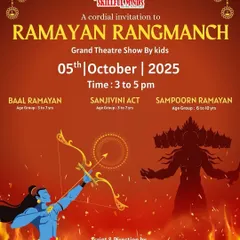
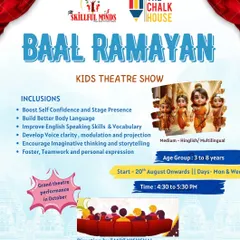
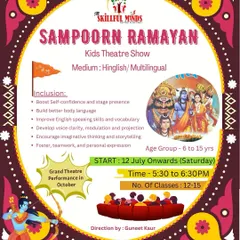
On Stage: Theatre & Public Speaking
Our Philosophy: Theatre Beyond Just Acting
Creative Theatre Workshops & Acting Classes for Kids


Public Speaking & Drama Classes: Building Confidence in Kids
Theatre Workshops & Original Stage Plays for Kids
More from Drama & Public Speaking for Kids by Theatre & U
More services by Theatre & U